• HOME
  • NEWS
  • EXPLORE
    • CAREER
      • Companies
      • Jobs
    • EVENTS
    • iGEM
      • News
      • Team
    • PHOTOS
    • VIDEO
    • WIKI
  • BLOG
  • COMMUNITY
    • FACEBOOK
    • INSTAGRAM
    • TWITTER
Sunday, August 9, 2026
BIOENGINEER.ORG
No Result
View All Result
  • Login
  • HOME
  • NEWS
  • EXPLORE
    • CAREER
      • Companies
      • Jobs
        • Lecturer
        • PhD Studentship
        • Postdoc
        • Research Assistant
    • EVENTS
    • iGEM
      • News
      • Team
    • PHOTOS
    • VIDEO
    • WIKI
  • BLOG
  • COMMUNITY
    • FACEBOOK
    • INSTAGRAM
    • TWITTER
  • HOME
  • NEWS
  • EXPLORE
    • CAREER
      • Companies
      • Jobs
        • Lecturer
        • PhD Studentship
        • Postdoc
        • Research Assistant
    • EVENTS
    • iGEM
      • News
      • Team
    • PHOTOS
    • VIDEO
    • WIKI
  • BLOG
  • COMMUNITY
    • FACEBOOK
    • INSTAGRAM
    • TWITTER
No Result
View All Result
Bioengineer.org
No Result
View All Result
Home NEWS Science News Biology

Cooking vegetables: healthier with extra virgin olive oil

Bioengineer by Bioengineer
June 13, 2019
in Biology
Reading Time: 3 mins read
0
IMAGE
Share on FacebookShare on TwitterShare on LinkedinShare on RedditShare on Telegram

Mediterranean diet for better health
IMAGE

Credit: University of Barcelona

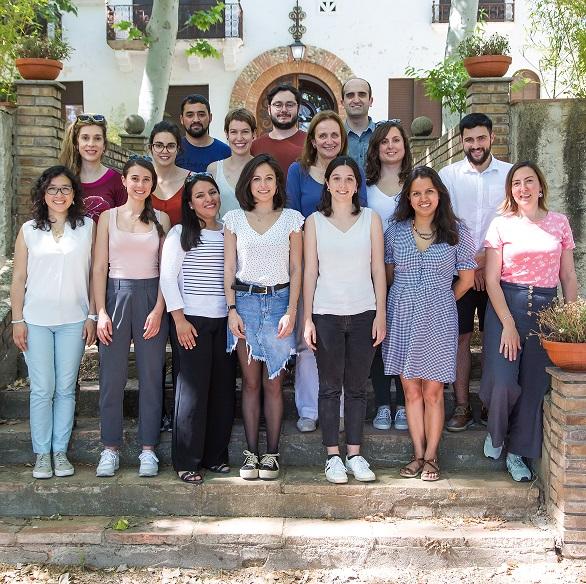
Cooking vegetables in the sofrito (sauté) with extra virgin olive oil favours the absorption and release of bioactive compounds of its traditional ingredients (garlic, onion and tomato), according to the study conducted by a research team of the Faculty of Pharmacy and Food Sciences at the University of Barcelona (UB), from the Physiopathology of Obesity and Nutrition Networking Biomedical Research Centre (CIBERobn) and the Diabetes and Associated Metabolic Diseases Networking Biomedical Research (CIBERDEM), led by the tenure lecturer Rosa M. Lamuela.

These results, published in the science journal Molecules, allow an insight on the mechanisms with which gastronomy could play a relevant role in the health-improving effects of the Mediterranean Diet.

The Mediterranean diet, known for a high consumption of phytochemicals from vegetables, fruits and legumes, has been correlated to health-improving effects in cardiovascular and metabolic health. This relation is mainly based on the results of the PREDIMED study, a multicentre clinical trial carried out from 2003 to 2011 with more than 7,000 people and in which Rosa M. Lamuela took part too.

However, the effects regarding health in the Mediterranean diet have been hard to reproduce in non-Mediterranean populations, probably, according to the researchers, due differences in cooking practice. Therefore, researchers try to assess whether the Mediterranean gastronomy can bring health benefits, not only for its food but also for the way they are cooked.

Sofrito, a key element in the Mediterranean diet

In this context, the objective of the study was to assess the effect of the extra virgin olive oil in bioactive compounds in tomato, onion and garlic -traditional ingredients in sofrito, one of the key cooking techniques in the Mediterranean diet. According to the researchers, this sauce has forty different phenolic compounds and a high amount of carotenoids, and its consumption is associated with an improvement of the cardiovascular risk parameters and insulin sensitivity.

“The main result of the study is that cooking vegetables with extra virgin olive oil favours the bioactive compounds, such as carotenoids and polyphenols that are present in vegetables we find in sofrito, to move to the olive oil, which enables the absorption and bioactivity of these compounds”, says Rosa M. Lamuela, director of the Institute for Research on Nutrition and Food Safety (INSA-UB).

From vegetables to olive oil

The study also found out a new trait of olive oil. So far, researchers had stated that this oil and onion can produce isomers -molecules with the same molecular formula but with different traits- from carotenoids, variants which are more bio-available and have a higher antioxidant capacity. However, the study proved that oil plays an essential role in this process, not only in carotenoids, but also in polyphenols, which go from vegetables to the oil.

Anti-inflammatory effects

These results could explain the causes for which previous studies by this research group had stated that the presence of oil increases the anti-inflammatory effect in the tomato sauce. “We saw that this increase can occur due the migration of bioactive compounds (carotenoids and polyphenols) from the tomato to the oil during the cooking process, which favours the absorption of these compounds”, concludes José Fernando Rinaldi de Alvarenga, INSA-UB member and first author of the study.

###

Media Contact
Rosa Martínez
[email protected]

Original Source

https://www.mdpi.com/1420-3049/24/8/1555

Related Journal Article

http://dx.doi.org/10.3390/molecules24081555

Tags: Agricultural Production/EconomicsDiet/Body WeightDisease in the Developing WorldFood/Food ScienceHealth CareMedicine/HealthMetabolism/Metabolic DiseasesNutrition/Nutrients
Share12Tweet8Share2ShareShareShare2

Related Posts

New wheat gene Sdd1 offers resource for improving plant architecture

New wheat gene Sdd1 offers resource for improving plant architecture

August 8, 2026
C/EBPγ Links Cancer Plasticity, DNA Repair, and Therapy Resistance in Lung Adenocarcinoma

C/EBPγ Links Cancer Plasticity, DNA Repair, and Therapy Resistance in Lung Adenocarcinoma

August 8, 2026

Antenna-like cell structure helps turtles sense warmth that determines sex

August 8, 2026

USC Launches Center Investigating Sex Differences in Aging

August 8, 2026
Please login to join discussion

POPULAR NEWS

  • How Neuroblastoma Balances Replication Stress and Genome Stability Across Chromosome 17q

    29 shares
    Share 12 Tweet 7
  • Cigar, Cigarillo, and Pipe Smoking: Lung Cancer Risk and Screening Eligibility

    29 shares
    Share 12 Tweet 7
  • How Low Gravity and Pressure Affect Space Manufacturing of Carbon-Fiber Structures

    29 shares
    Share 12 Tweet 7
  • Calreticulin-targeted L-asparaginase–flagellin conjugate boosts Salmonella’s antitumor effectiveness

    29 shares
    Share 12 Tweet 7

About

We bring you the latest biotechnology news from best research centers and universities around the world. Check our website.

Follow us

Recent News

How Neuroblastoma Balances Replication Stress and Genome Stability Across Chromosome 17q

Cigar, Cigarillo, and Pipe Smoking: Lung Cancer Risk and Screening Eligibility

How Low Gravity and Pressure Affect Space Manufacturing of Carbon-Fiber Structures

Subscribe to Blog via Email

Success! An email was just sent to confirm your subscription. Please find the email now and click 'Confirm' to start subscribing.

Join 86 other subscribers
  • Contact Us

Bioengineer.org © Copyright 2023 All Rights Reserved.

Welcome Back!

Login to your account below

Forgotten Password?

Retrieve your password

Please enter your username or email address to reset your password.

Log In
No Result
View All Result
  • Homepages
    • Home Page 1
    • Home Page 2
  • News
  • National
  • Business
  • Health
  • Lifestyle
  • Science

Bioengineer.org © Copyright 2023 All Rights Reserved.