MD Anderson Phase II study suggests patients with lymphoma subtype may be able to avoid chemotherapy in the future
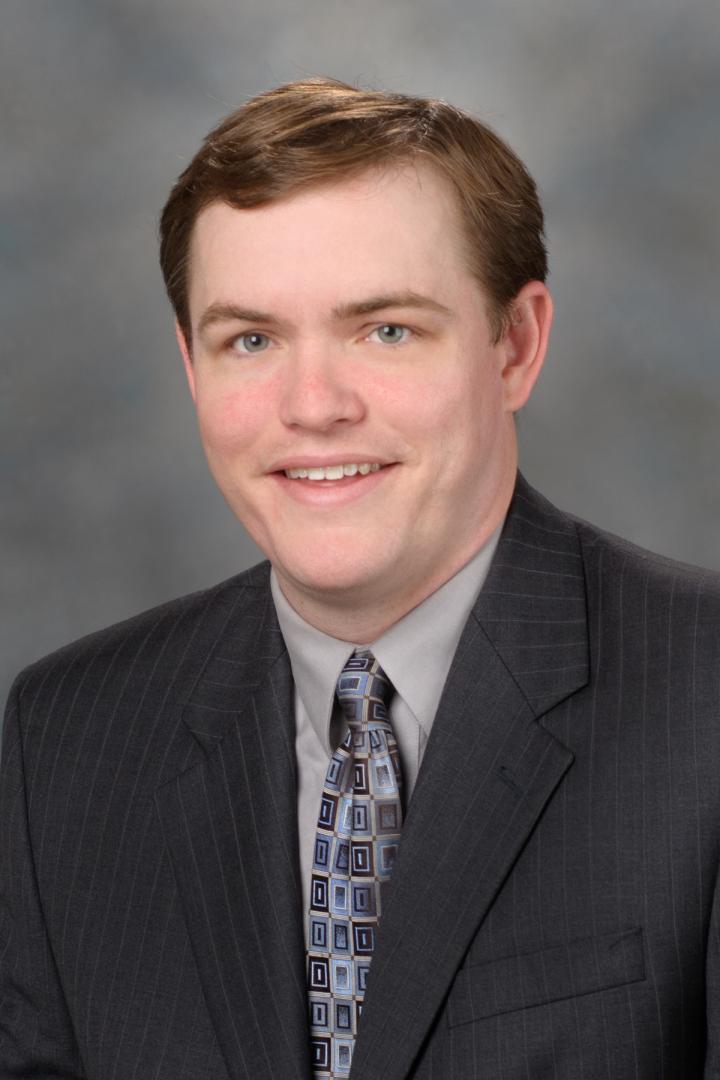
Credit: MD Anderson Cancer Center
Results of a Phase II clinical trial conducted at The University of Texas MD Anderson Cancer Center revealed that combination targeted therapy, consisting of rituximab, lenalidomide and ibrutinib (RLI), had an 84.6 percent overall response rate (ORR) and 38.5 percent complete response rate (CRR) when given prior to any chemotherapy for newly diagnosed patients with a specific type of diffuse large b-cell lymphoma (DLBCL).
The first-of-its-kind study examined a treatment regimen without chemotherapy for patients with non-germinal center (non-GCB) DLBCL, and, while confirmatory trials are needed, the findings suggest that patients who respond to targeted therapy initially may not need chemotherapy, currently the standard of care.
The results of the trial will be shared today in an oral presentation at the 2019 American Society of Clinical Oncology Annual Meeting by principal investigator Jason Westin, M.D., assistant professor of Lymphoma & Myeloma.
“The responses we’ve seen have been remarkable. More than 80 percent of our patients have responded and around 40 percent have had a complete response, showing no evidence of cancer, prior to receiving any chemotherapy,” said Westin. “All patients have gone on to receive standard chemotherapy in combination with these targeted treatments per the protocol, and, so far, we’ve had a 100 percent response rate.”
Large-cell lymphomas, which include DLBCL, are diagnosed in approximately 30,000 individuals each year in the U.S., and non-GCB accounts for an estimated 30-40 percent of those cases. Standard treatment for large-cell lymphomas is chemotherapy, but this subtype doesn’t respond as well, reaching an estimated cure rate of just 50-60 percent, explained Westin.
The clinical trial enrolled 60 patients at MD Anderson with non-GCB DLBCL and treated those patients with two cycles of RLI, followed by six cycles of RLI with chemotherapy. Westin’s team designed the trial to bring new treatment options to these patients based on promising findings in the lab.
“We called the trial ‘Smart Start’ because we thought this was a smarter way to start therapy for these patients,” said Westin. “Standard treatment for large-cell lymphoma has been largely stagnant for the better part of 40 years, despite many advances in our understanding of the disease and a host of new medications. It’s exciting to see an idea that worked in the lab now beginning to yield results and show this is a potentially new way forward to fight this disease.”
More than 90 percent of patients on this trial remain in remission after one year, said Westin. Additionally, side effects on the trial have been mild, with most driven by the chemotherapy treatment.
Going forward, Westin and colleagues plan to launch clinical trials to investigate whether patients who respond well to RLI treatment upfront can receive little or no chemotherapy and still attain long-term remission.
###
This study was supported by the Conquer Cancer Foundation, Celgene and Janssen Pharmaceuticals. A complete list of collaborating authors and their reported disclosures can be found with the abstract here.
Media Contact
Clayton Boldt
[email protected]