• HOME
  • NEWS
  • EXPLORE
    • CAREER
      • Companies
      • Jobs
    • EVENTS
    • iGEM
      • News
      • Team
    • PHOTOS
    • VIDEO
    • WIKI
  • BLOG
  • COMMUNITY
    • FACEBOOK
    • INSTAGRAM
    • TWITTER
Monday, August 17, 2026
BIOENGINEER.ORG
No Result
View All Result
  • Login
  • HOME
  • NEWS
  • EXPLORE
    • CAREER
      • Companies
      • Jobs
        • Lecturer
        • PhD Studentship
        • Postdoc
        • Research Assistant
    • EVENTS
    • iGEM
      • News
      • Team
    • PHOTOS
    • VIDEO
    • WIKI
  • BLOG
  • COMMUNITY
    • FACEBOOK
    • INSTAGRAM
    • TWITTER
  • HOME
  • NEWS
  • EXPLORE
    • CAREER
      • Companies
      • Jobs
        • Lecturer
        • PhD Studentship
        • Postdoc
        • Research Assistant
    • EVENTS
    • iGEM
      • News
      • Team
    • PHOTOS
    • VIDEO
    • WIKI
  • BLOG
  • COMMUNITY
    • FACEBOOK
    • INSTAGRAM
    • TWITTER
No Result
View All Result
Bioengineer.org
No Result
View All Result
Home NEWS Science News Health

Challenging metabolism may help fight disease

Bioengineer by Bioengineer
May 7, 2019
in Health
Reading Time: 2 mins read
0
IMAGE
Share on FacebookShare on TwitterShare on LinkedinShare on RedditShare on Telegram

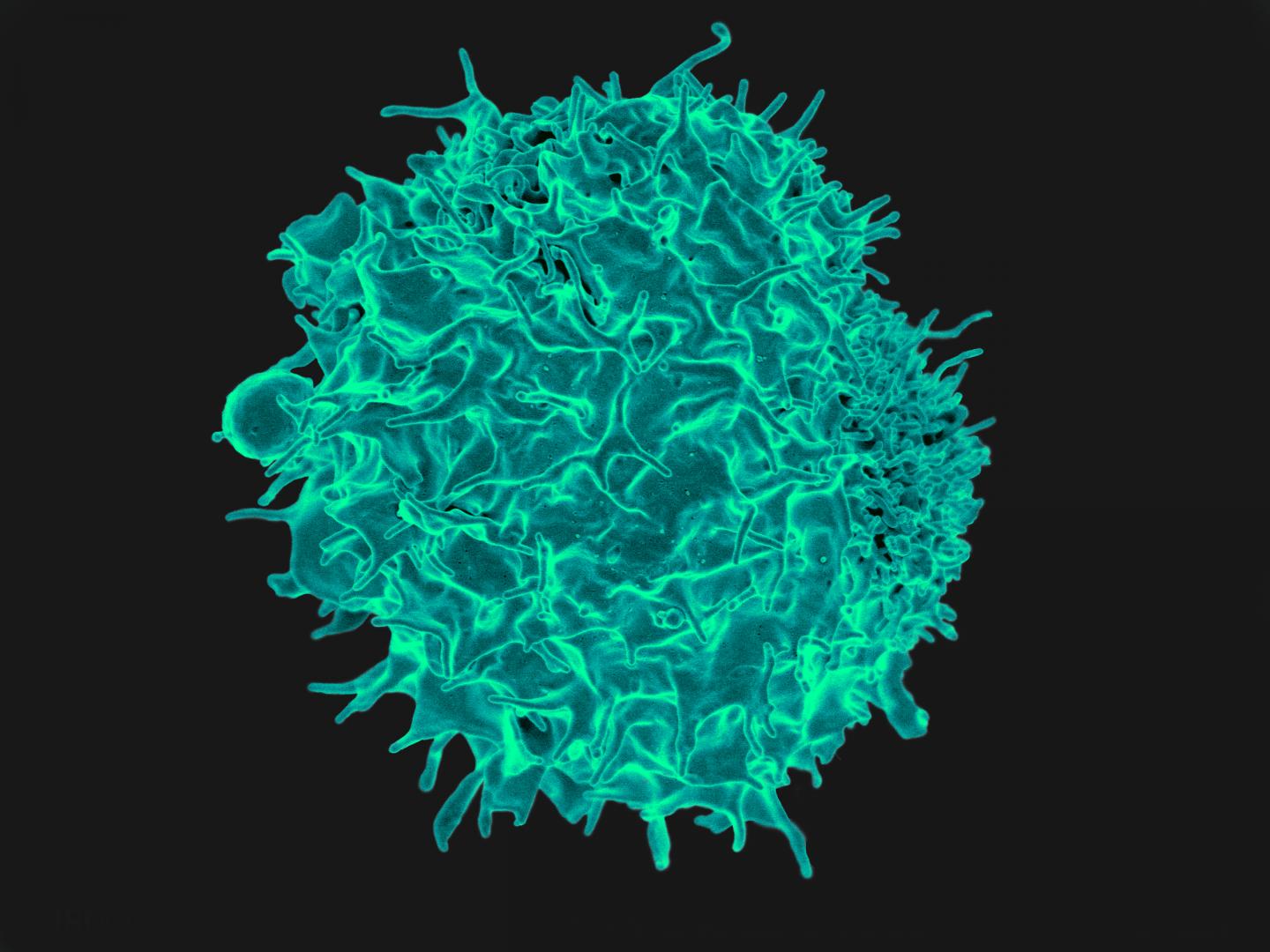
Swansea University academics have shown that harnessing metabolism at a cellular level could alleviate disorders
IMAGE

Credit: NIAID

Researchers at the University’s Medical School who have published their findings in the journal Nature Communications looked at how immune system cells, which are essential to fighting infection and preventing diseases like cancer, use their metabolic pathways when they are activated in the laboratory.

When these infection and cancer fighting cells, known as CD4+ T cells, are challenged, they make enough energy to fuel their important cellular functions and to create biosynthetic building blocks to divide and increase to respond to challenges like an infection.

The researchers found that the cells do this by taking up nutrients and processing them through cellular metabolic pathways. When the cells are activated they re-programme their metabolic pathways in order to provide the energy and building blocks needed to carry out their function.

Dr Nick Jones, of Swansea University Medical School, who led the study said: “It is important to understand how these cells function metabolically as it might lead to new therapies to help treat infectious diseases and cancer. In this study we have scrutinised the metabolic pathways used by the immune cell and how a particular type of metabolism of the cells allows them to carry out these important functions. In doing so our results indicate that manipulating metabolism may have help to fight various diseases or disorders.

“Our next steps in our research will be understanding how differences in key sugars in our diet can affect the immune system response when challenged by bacteria.”

###

Media Contact
Delyth Purchase
[email protected]

Original Source

http://www.swansea.ac.uk/press-office/latest-research/challengingmetabolismmayhelpfightdisease.php

Related Journal Article

http://dx.doi.org/10.1038/s41467-019-10023-4

Tags: Medicine/HealthMetabolism/Metabolic Diseases
Share12Tweet8Share2ShareShareShare2

Related Posts

GLP-1 Drugs Raise Treatment-Related Stigma Concerns, Researchers Call for Conceptual Clarity

August 17, 2026

Scientists find fast-spreading genetic variants causing parasites to resist malaria drugs

August 17, 2026

VRK2 Drives Gemcitabine Resistance in Pancreatic Cancer Through TPI1-Mediated Aerobic Glycolysis

August 17, 2026

PD-1 Balances Brain Viral Control and Neuroinflammation by Regulating T Cell Responses

August 17, 2026
Please login to join discussion

POPULAR NEWS

  • GLP-1 Drugs Raise Treatment-Related Stigma Concerns, Researchers Call for Conceptual Clarity

    29 shares
    Share 12 Tweet 7
  • Bar-Ilan Study Finds Attention Can Regulate Acute Inflammation in Humans

    29 shares
    Share 12 Tweet 7
  • Scientists find fast-spreading genetic variants causing parasites to resist malaria drugs

    29 shares
    Share 12 Tweet 7
  • VRK2 Drives Gemcitabine Resistance in Pancreatic Cancer Through TPI1-Mediated Aerobic Glycolysis

    29 shares
    Share 12 Tweet 7

About

We bring you the latest biotechnology news from best research centers and universities around the world. Check our website.

Follow us

Recent News

GLP-1 Drugs Raise Treatment-Related Stigma Concerns, Researchers Call for Conceptual Clarity

Bar-Ilan Study Finds Attention Can Regulate Acute Inflammation in Humans

Scientists find fast-spreading genetic variants causing parasites to resist malaria drugs

Subscribe to Blog via Email

Enter your email address to subscribe to this blog and receive notifications of new posts by email.

Join 85 other subscribers
  • Contact Us

Bioengineer.org © Copyright 2023 All Rights Reserved.

Welcome Back!

Login to your account below

Forgotten Password?

Retrieve your password

Please enter your username or email address to reset your password.

Log In
No Result
View All Result
  • Homepages
    • Home Page 1
    • Home Page 2
  • News
  • National
  • Business
  • Health
  • Lifestyle
  • Science

Bioengineer.org © Copyright 2023 All Rights Reserved.