• HOME
  • NEWS
  • EXPLORE
    • CAREER
      • Companies
      • Jobs
    • EVENTS
    • iGEM
      • News
      • Team
    • PHOTOS
    • VIDEO
    • WIKI
  • BLOG
  • COMMUNITY
    • FACEBOOK
    • INSTAGRAM
    • TWITTER
Thursday, June 25, 2026
BIOENGINEER.ORG
No Result
View All Result
  • Login
  • HOME
  • NEWS
  • EXPLORE
    • CAREER
      • Companies
      • Jobs
        • Lecturer
        • PhD Studentship
        • Postdoc
        • Research Assistant
    • EVENTS
    • iGEM
      • News
      • Team
    • PHOTOS
    • VIDEO
    • WIKI
  • BLOG
  • COMMUNITY
    • FACEBOOK
    • INSTAGRAM
    • TWITTER
  • HOME
  • NEWS
  • EXPLORE
    • CAREER
      • Companies
      • Jobs
        • Lecturer
        • PhD Studentship
        • Postdoc
        • Research Assistant
    • EVENTS
    • iGEM
      • News
      • Team
    • PHOTOS
    • VIDEO
    • WIKI
  • BLOG
  • COMMUNITY
    • FACEBOOK
    • INSTAGRAM
    • TWITTER
No Result
View All Result
Bioengineer.org
No Result
View All Result
Home NEWS Science News Health

Researchers’ breakthrough in tackling challenge of antifungal resistance

Bioengineer by Bioengineer
April 3, 2019
in Health
Reading Time: 2 mins read
0
IMAGE
Share on FacebookShare on TwitterShare on LinkedinShare on RedditShare on Telegram

Transatlantic partnership’s ground-breaking work to develop a better understanding of antifungal drug resistance
IMAGE

Credit: Swansea University

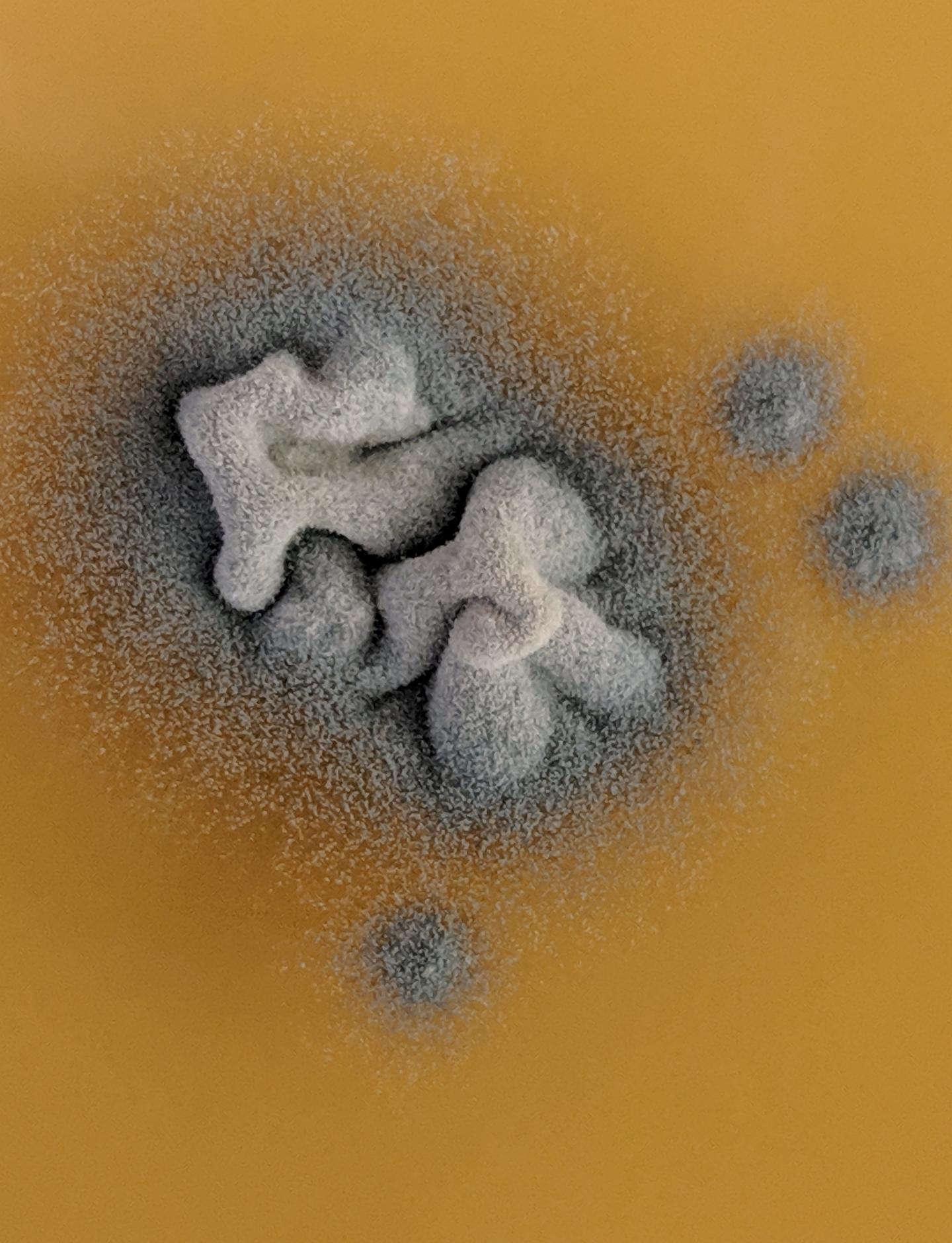
Ground-breaking work by university experts in Tennessee, Texas and Swansea is helping develop a better understanding of the growing threat posed by antifungal drug resistance.

Invasive aspergillosis is a devastating disease caused by breathing in small airborne spores of the fungus Aspergillus fumigatus and it is a condition where drug resistance has been encountered.

In a healthy person these spores are destroyed by the body’s immune system but in those with a weakened immune system – such as following organ transplantation or in someone with a lung condition such as asthma or cystic fibrosis – they can trigger a range of problems including infections.

Every year aspergillosis leads to more than 200,000 life-threatening infections and increasingly resistance to vital antifungal drug treatments makes those infections harder to treat.

National Institutes of Health (USA) funding supported a collaboration between the University of Tennessee, the University of Texas and Swansea University as part of a $2 million, five-year research programme. This support enabled investigation of resistance to the triazole class of antifungal drugs used for treating the disease

A new paper, published in the prestigious American Microbiology Society journal mBio, reveals how researchers have been able to identify a previously uncharacterised genetic mutation in clinical isolates that leads to resistance.

Professor Jarrod Fortwendel, from the University of Tennessee, said: “As with bacteria, antifungal drug resistance is a real challenge facing medicine.

“Understanding how the fungus becomes drug resistant is important for designing changes in therapy to overcome aspergillosis.”

Professor Dave Rogers, also from the University of Tennessee, added: “It is very important that the research continues and we find out more about why it is happening and how we can tackle it for the future.”

Swansea University’s Professor Steve Kelly, whose experience researching the field of antifungal resistance dates back to 1984, described the findings as a real breakthrough.

He said: “This paper is the result of a lot of hard work and we are delighted to now be able to publish our findings.”

###

The paper Mutations in hmg1, challenging the paradigm of clinical triazole resistance in Aspergillus fumigatus is published in mBio. Its authors are Jarrod R Fortwendel, P David Rogers, Jeffrey MRybak and Wenbo Ge, from the University of Tennessee and Nathan P Weiderhold, University of Texas. Swansea University authors are Steven Kelly and Josie Parker.

Media Contact
Kathy Thomas
[email protected]

Original Source

https://www.swansea.ac.uk/press-office/latest-research/researchersbreakthroughintacklingchallengeofantifungalresistance.php

Related Journal Article

http://dx.doi.org/10.1128/mBio.00437-19

Tags: BacteriologyCell BiologyDiagnosticsEpidemiologyMedicine/HealthMicrobiologyMolecular BiologyToxicologyTransplantationVaccines
Share12Tweet8Share2ShareShareShare2

Related Posts

Tracking Lanthanide-Labeled Microplastics in Plants

June 25, 2026

Neural Design Enables Zero-Shot Drug-Binding Proteins

June 25, 2026

Genomic Insights into Human Skin Fungi Diversity

June 25, 2026

Chiral Laser Gyroscopes Surpass Lock-In Limit

June 25, 2026
Please login to join discussion

POPULAR NEWS

  • Saying Goodbye to PGY-6: Pediatric Fellowship Realities

    103 shares
    Share 41 Tweet 26
  • Multi-Hospital Study Reveals Long Covid Burden Is Twice as High as Current Estimates

    92 shares
    Share 36 Tweet 23
  • Detection of EDCs in Breast Milk and Infant Urine Up to Six Months Highlights Early Exposure Risks

    77 shares
    Share 31 Tweet 19
  • New Drug Candidate Developed at McMaster Shows Potential for Treating Brain Cancer

    58 shares
    Share 23 Tweet 15

About

We bring you the latest biotechnology news from best research centers and universities around the world. Check our website.

Follow us

Recent News

Tracking Lanthanide-Labeled Microplastics in Plants

POSTECH Researchers Slash Cost of Reconstituted Cell-Free Systems by 95%

AI and Physics Collaborate to Design Advanced Hydrogen Storage Materials

Subscribe to Blog via Email

Success! An email was just sent to confirm your subscription. Please find the email now and click 'Confirm' to start subscribing.

Join 82 other subscribers
  • Contact Us

Bioengineer.org © Copyright 2023 All Rights Reserved.

Welcome Back!

Login to your account below

Forgotten Password?

Retrieve your password

Please enter your username or email address to reset your password.

Log In
No Result
View All Result
  • Homepages
    • Home Page 1
    • Home Page 2
  • News
  • National
  • Business
  • Health
  • Lifestyle
  • Science

Bioengineer.org © Copyright 2023 All Rights Reserved.