• HOME
  • NEWS
  • EXPLORE
    • CAREER
      • Companies
      • Jobs
    • EVENTS
    • iGEM
      • News
      • Team
    • PHOTOS
    • VIDEO
    • WIKI
  • BLOG
  • COMMUNITY
    • FACEBOOK
    • INSTAGRAM
    • TWITTER
Saturday, February 7, 2026
BIOENGINEER.ORG
No Result
View All Result
  • Login
  • HOME
  • NEWS
  • EXPLORE
    • CAREER
      • Companies
      • Jobs
        • Lecturer
        • PhD Studentship
        • Postdoc
        • Research Assistant
    • EVENTS
    • iGEM
      • News
      • Team
    • PHOTOS
    • VIDEO
    • WIKI
  • BLOG
  • COMMUNITY
    • FACEBOOK
    • INSTAGRAM
    • TWITTER
  • HOME
  • NEWS
  • EXPLORE
    • CAREER
      • Companies
      • Jobs
        • Lecturer
        • PhD Studentship
        • Postdoc
        • Research Assistant
    • EVENTS
    • iGEM
      • News
      • Team
    • PHOTOS
    • VIDEO
    • WIKI
  • BLOG
  • COMMUNITY
    • FACEBOOK
    • INSTAGRAM
    • TWITTER
No Result
View All Result
Bioengineer.org
No Result
View All Result
Home NEWS Science News Biology

Butterfly numbers down by two thirds

Bioengineer by Bioengineer
March 20, 2019
in Biology
Reading Time: 2 mins read
0
IMAGE
Share on FacebookShare on TwitterShare on LinkedinShare on RedditShare on Telegram

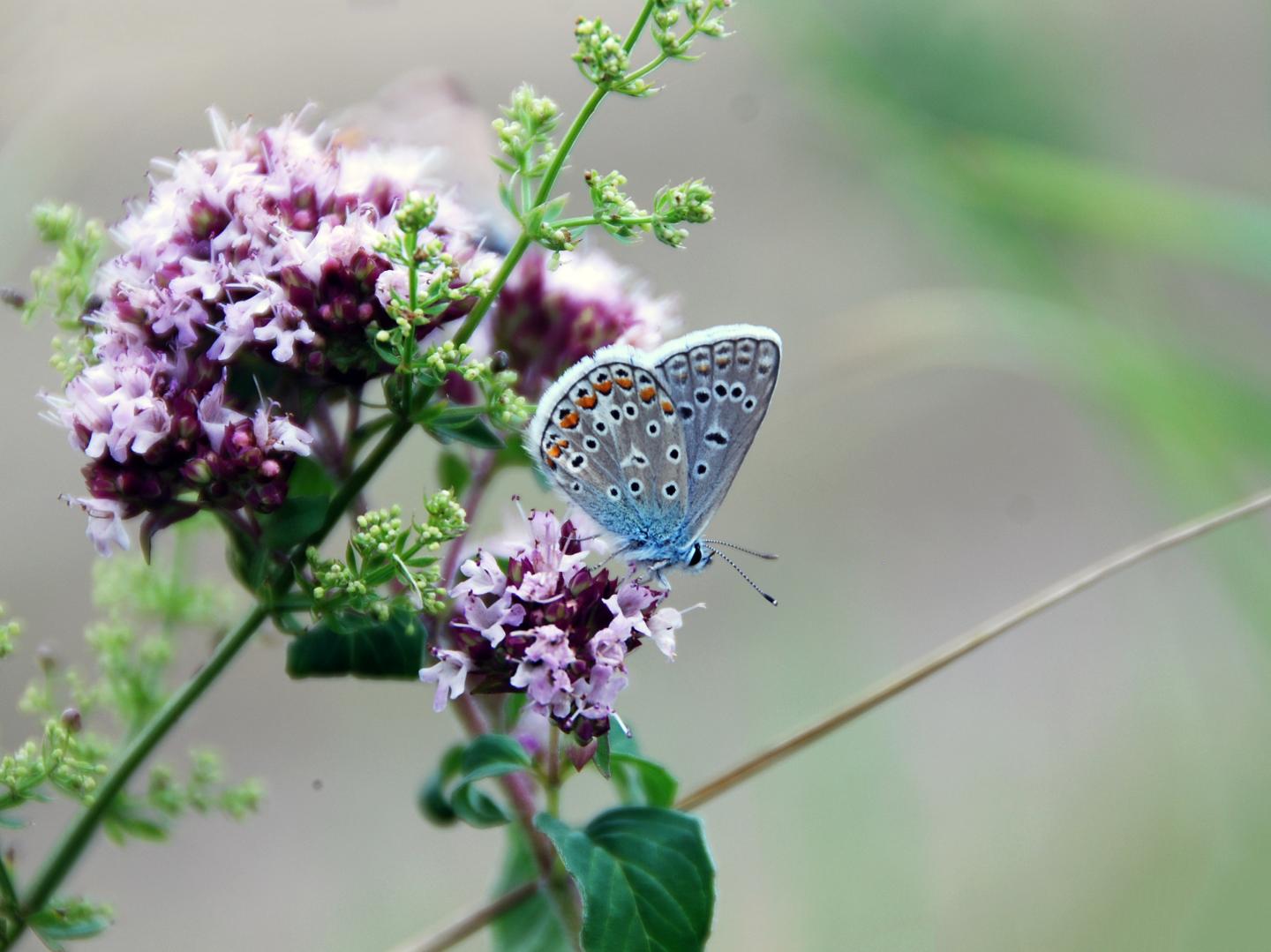
High-intensity agriculture reduces number of butterfly species in adjacent areas
IMAGE

Credit: Jan C. Habel / TUM

Meadows adjacent to high-intensity agricultural areas are home to less than half the number of butterfly species than areas in nature preserves. The number of individuals is even down to one-third of that number. These are results of a research team led by Jan Christian Habel at the Technical University of Munich (TUM) and Thomas Schmitt at the Senckenberg Nature Research Society.

Germany is home to roughly 33,500 species of insects – but their numbers are decreasing dramatically. Of the 189 species of butterflies currently known from Germany, 99 species are on the Red List, 5 have already become extinct, and 12 additional species are threatened with extinction.

Now a team led by Prof. Jan-Christian Habel of the Department of Terrestrial Ecology of the Technical University of Munich and Prof. Thomas Schmitt, Director of the Senckenberg German Entomological Institute in Muencheberg in Brandenburg, has examined the specific effects of the intensity of agricultural use on the butterfly fauna.

Reduced biodiversity also on areas around intensively cultivated fields

The research team recorded the occurrence of butterfly species in 21 meadow sites east of Munich. Of these study sites, 17 are surrounded by agriculturally used areas, and four are in nature preserves with near-natural cultivation.

They recorded a total of 24 butterfly species and 864 individuals in all study sites. Specialists among the butterflies were particularly dependent on near-natural habitats, while the more adaptable “generalists” were also found in other grassland sites.

“In the meadows that are surrounded by agriculturally used areas we encountered an average of 2.7 butterfly species per visit; in the four study sites within the protected areas ‘Dietersheimer Brenne’ and ‘Garchinger Heide’ near Munich we found an average of 6.6 species,” adds Prof. Werner Ulrich of the Copernicus University in Thorn, Poland.

Negative impact of the industrialized agriculture demands rethinking

“Our results show an obvious trend: in the vicinity of intensively cultivated fields that are regularly sprayed with pesticides, the diversity and numbers of butterflies are significantly lower than in meadows near less used or unused areas,” explains the study’s lead author, Prof. Jan Christian Habel.

“Our study emphasizes the negative impact of the conventional, industrialized agriculture on the butterfly diversity and shows the urgent need for ecologically sustainable cultivation methods. Additional field studies may aid in identifying individual factors responsible for the insect die-back and in implementing appropriate countermeasures,” adds Schmitt in closing.

###

Publication:

J.C. Habel, W. Ulrich, N. Biburger, S. Seibold, and T. Schmitt

Agricultural intensification drives butterfly decline.

Insect Conserv Divers, Feb. 7, 2019 DOI: 10.1111/icad.12343

Media Contact
Dr. Andreas Battenberg
[email protected]

Original Source

https://www.tum.de/nc/en/about-tum/news/press-releases/detail/article/35295/

Related Journal Article

http://dx.doi.org/10.1111/icad.12343

Tags: Agricultural Production/EconomicsAgricultureBiodiversityBiologyEcology/EnvironmentEntomologyFood/Food SciencePlant SciencesQuality of LifeZoology/Veterinary Science
Share12Tweet8Share2ShareShareShare2

Related Posts

Florida Cane Toad: Complex Spread and Selective Evolution

Florida Cane Toad: Complex Spread and Selective Evolution

February 7, 2026
New Study Uncovers Mechanism Behind Burn Pit Particulate Matter–Induced Lung Inflammation

New Study Uncovers Mechanism Behind Burn Pit Particulate Matter–Induced Lung Inflammation

February 6, 2026

DeepBlastoid: Advancing Automated and Efficient Evaluation of Human Blastoids with Deep Learning

February 6, 2026

Navigating the Gut: The Role of Formic Acid in the Microbiome

February 6, 2026
Please login to join discussion

POPULAR NEWS

  • Robotic Ureteral Reconstruction: A Novel Approach

    Robotic Ureteral Reconstruction: A Novel Approach

    82 shares
    Share 33 Tweet 21
  • Digital Privacy: Health Data Control in Incarceration

    63 shares
    Share 25 Tweet 16
  • Study Reveals Lipid Accumulation in ME/CFS Cells

    57 shares
    Share 23 Tweet 14
  • Breakthrough in RNA Research Accelerates Medical Innovations Timeline

    53 shares
    Share 21 Tweet 13

About

We bring you the latest biotechnology news from best research centers and universities around the world. Check our website.

Follow us

Recent News

Evaluating Pediatric Emergency Care Quality in Ethiopia

TPMT Expression Predictions Linked to Azathioprine Side Effects

Improving Dementia Care with Enhanced Activity Kits

Subscribe to Blog via Email

Enter your email address to subscribe to this blog and receive notifications of new posts by email.

Join 73 other subscribers
  • Contact Us

Bioengineer.org © Copyright 2023 All Rights Reserved.

Welcome Back!

Login to your account below

Forgotten Password?

Retrieve your password

Please enter your username or email address to reset your password.

Log In
No Result
View All Result
  • Homepages
    • Home Page 1
    • Home Page 2
  • News
  • National
  • Business
  • Health
  • Lifestyle
  • Science

Bioengineer.org © Copyright 2023 All Rights Reserved.