Groups will address health and neuroscience research disparities
Baltimore, MD – March 18, 2018 – The nation’s first African-American Neuroscience Research Initiative, aimed at ensuring that genomic research and neuroscience studies are representative of individuals across all populations including African ancestry, launched today. This new enterprise partners the African-American Clergy Medical Research Initiative, comprised of prominent clergy leaders of the Minister’s Conference of Baltimore, with the Lieber Institute for Brain Development, an independent, not-for-profit medical research institute working to develop new treatments for brain disorders.
The African-American Neuroscience Research Initiative aims to establish a road map to help close the gap in health disparities and accelerate research efforts that will lead to new treatments for brain disorders.
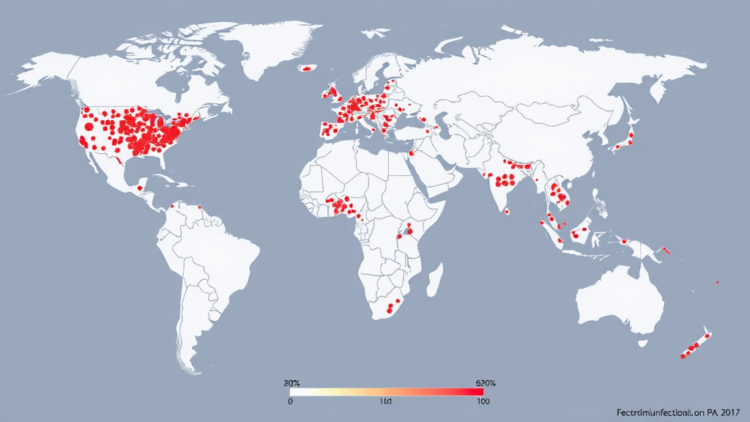
Research has long been hampered by a lack of diversity in basic science and in clinical trials, particularly in the field of neuroscience. For example, 81% of large-scale genomic datasets are of European descent, even though this group makes up less than 16% of the world population. What science has now shown us is there are genetic differences among races and ethnicity. Genomic research has the potential to provide some of the most personalized and effective medical treatments for many medical disorders, including: heart disease, stroke, asthma, diabetes, Alzheimer’s Disease, and schizophrenia. However, minority groups are inadequately represented in these large-scale genomic studies.
Rev. Dr. Alvin C. Hathaway, Sr., Principal of the African-American Clergy Medical Research Initiative, said “My clergy colleagues and I have been studying the emerging science behind precision medicine and believe that this technology has potential for finding cures and treatments for diseases that uniquely affect African Americans. This revolution in medicine has largely left behind ethnic minority groups like African Americans, and it is time to change this.”
In neuroscience research studies of brain disorders, underrepresented minority groups, including African Americans, make up less than 5% of research cohorts.
“So far, personalized medicine has not really been for everyone,” said Daniel R. Weinberger, M.D., Director and CEO of the Lieber Institute. “Through this initiative we hope to build data sets about the brain that can be used by researchers globally, with the ultimate goal to develop new treatments for people of African ancestry.”
Lieber has built the largest, most carefully curated collection of human brains anywhere in the world devoted to understanding brain development and mental illness.
Research shows that African Americans are 20% more likely to experience serious mental health problems than the general population and twice as likely to develop Alzheimer’s Disease. Suicide rates for African-American children under the age of 13 are twice as high as children of European ancestry. African-American infant death rates and premature birth rates also are twice that of European ancestry Americans.
The African-American Neuroscience Research Initiative is working to partner with the state of Maryland to catalyze a national effort ensuring that African Americans are not left behind.
“The potential knowledge gained through this research will help not just individuals of African ancestry, but will also help all people,” says Weinberger. “It’s by studying the most complex representatives of genetic diversity in the context of the human brain that we will ultimately understand how to customize therapy and maximize the effectiveness of treatments.”
###
About the African-American Clergy Medical Research Initiative
The African-American Clergy Medical Research Initiative (AACMRI) is focused on ensuring that persons of African descent are equitably represented in medical research. It advocates for equity in public policy, funding, education, training, and awareness that produces improvements in protocols, treatments, medicines and health outcomes.
About the Lieber Institute for Brain Development
The mission of the Lieber Institute for Brain Development and the Maltz Research Laboratories is to translate the understanding of basic genetic and molecular mechanisms of developmental brain disorders into clinical advances that change the lives of affected individuals. LIBD is an independent, not-for-profit 501(c)(3) organization and a Maryland tax-exempt medical research institute affiliated with the Johns Hopkins University School of Medicine.
Media Contact
Becky Oldham
[email protected]