• HOME
  • NEWS
  • EXPLORE
    • CAREER
      • Companies
      • Jobs
    • EVENTS
    • iGEM
      • News
      • Team
    • PHOTOS
    • VIDEO
    • WIKI
  • BLOG
  • COMMUNITY
    • FACEBOOK
    • INSTAGRAM
    • TWITTER
Saturday, February 7, 2026
BIOENGINEER.ORG
No Result
View All Result
  • Login
  • HOME
  • NEWS
  • EXPLORE
    • CAREER
      • Companies
      • Jobs
        • Lecturer
        • PhD Studentship
        • Postdoc
        • Research Assistant
    • EVENTS
    • iGEM
      • News
      • Team
    • PHOTOS
    • VIDEO
    • WIKI
  • BLOG
  • COMMUNITY
    • FACEBOOK
    • INSTAGRAM
    • TWITTER
  • HOME
  • NEWS
  • EXPLORE
    • CAREER
      • Companies
      • Jobs
        • Lecturer
        • PhD Studentship
        • Postdoc
        • Research Assistant
    • EVENTS
    • iGEM
      • News
      • Team
    • PHOTOS
    • VIDEO
    • WIKI
  • BLOG
  • COMMUNITY
    • FACEBOOK
    • INSTAGRAM
    • TWITTER
No Result
View All Result
Bioengineer.org
No Result
View All Result
Home NEWS Science News Biology

Blood holds key to liver regeneration

Bioengineer by Bioengineer
March 8, 2019
in Biology
Reading Time: 3 mins read
0
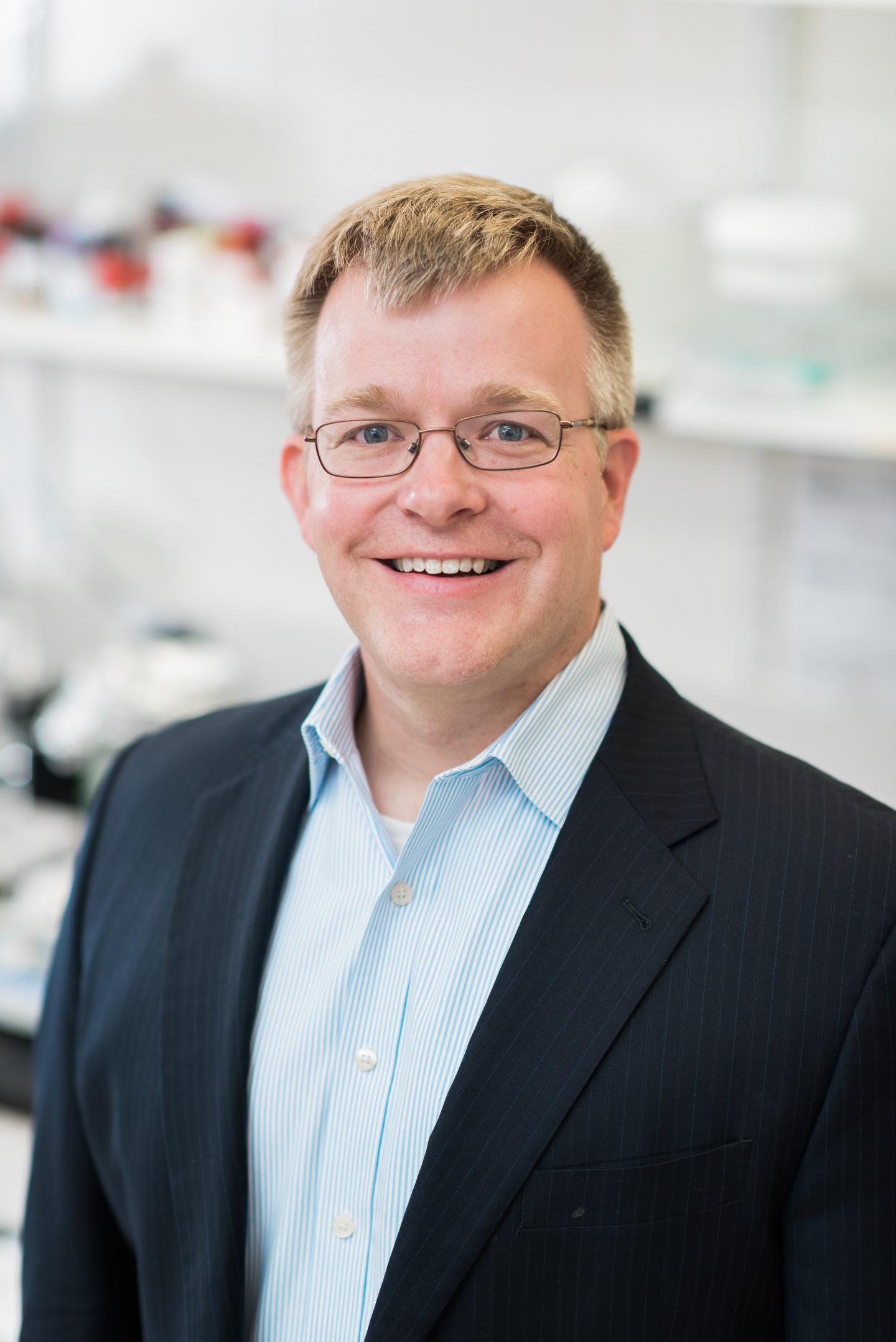
IMAGE
Share on FacebookShare on TwitterShare on LinkedinShare on RedditShare on Telegram

IMAGE

Credit: Michigan State University

EAST LANSING, Mich. — The liver is the only organ in the body that can regenerate. But some patients who undergo a liver resection, a surgery that removes a diseased portion of the organ, end up needing a transplant because the renewal process doesn’t work.

A new Michigan State University study, published in the journal Blood, shows that the blood-clotting protein fibrinogen may hold the key as to why this happens.

“We discovered that fibrinogen accumulates within the remaining liver quickly after surgery and tells platelets to act as first responders, triggering the earliest phase of regeneration,” said James Luyendyk, a professor of pathobiology in the College of Veterinary Medicine. “But if fibrinogen or platelets are inhibited, then regeneration is delayed.”

Platelets are blood cells that help form clots and stop bleeding. When they receive information from fibrinogen, they go into action and accumulate in the remaining part of the liver to help restore it, increasing the chances of a fully functional liver and successful recovery.

Using samples from patients undergoing liver resection and a comparable model in mice, Luyendyk and his team noticed that when fibrinogen was low, the number of platelets in the liver decreased.

“This shows that fibrinogen deposits are extremely important and directly impact regeneration in both mice and humans,” Luyendyk said.

According to Dafna Groeneveld, Luyendyk’s co-author and post-doctoral research associate in his lab, their finding demonstrates that fibrinogen levels could be a predictive marker for doctors, too.

“Measuring this protein in liver resection patients may help us determine in advance whether the organ will regenerate successfully or if it will become dysfunctional,” she said.

This could lead to new treatments that would help doctors correct low levels of the protein by using fibrinogen concentrates that can be administered during surgery.

“This type of treatment hasn’t been tried in liver resection patients yet,” Luyendyk said. “But once we figure out exactly how fibrinogen works in the regeneration process and test potential therapies in mice, it could eventually provide the proof we need to bring our work into the clinic and improve patient outcomes.”

###

Contributors on the project also include Patrick Starlinger, an associate professor at the Medical University of Vienna in Austria, and Ton Lisman, a professor at the University Medical Center Groningen in the Netherlands.

(Editor’s note: Please include a link to the original paper in online coverage: http://www.bloodjournal.org/content/early/2019/01/17/blood-2018-08-869057)

Michigan State University has been working to advance the common good in uncommon ways for 160 years. One of the top research universities in the world, MSU focuses its vast resources on creating solutions to some of the world’s most pressing challenges, while providing life-changing opportunities to a diverse and inclusive academic community through more than 200 programs of study in 17 degree-granting colleges.

Media Contact
Sarina Gleason
[email protected]

Original Source

https://msutoday.msu.edu/news/2019/blood-holds-key-to-liver-regeneration/

Related Journal Article

http://dx.doi.org/10.1182/blood-2018-08-869057

Tags: BiologyCell BiologyHematologyInternal MedicineLiverMedicine/HealthSurgeryTransplantation
Share12Tweet8Share2ShareShareShare2

Related Posts

Florida Cane Toad: Complex Spread and Selective Evolution

Florida Cane Toad: Complex Spread and Selective Evolution

February 7, 2026
New Study Uncovers Mechanism Behind Burn Pit Particulate Matter–Induced Lung Inflammation

New Study Uncovers Mechanism Behind Burn Pit Particulate Matter–Induced Lung Inflammation

February 6, 2026

DeepBlastoid: Advancing Automated and Efficient Evaluation of Human Blastoids with Deep Learning

February 6, 2026

Navigating the Gut: The Role of Formic Acid in the Microbiome

February 6, 2026
Please login to join discussion

POPULAR NEWS

  • Robotic Ureteral Reconstruction: A Novel Approach

    Robotic Ureteral Reconstruction: A Novel Approach

    82 shares
    Share 33 Tweet 21
  • Digital Privacy: Health Data Control in Incarceration

    63 shares
    Share 25 Tweet 16
  • Study Reveals Lipid Accumulation in ME/CFS Cells

    57 shares
    Share 23 Tweet 14
  • Breakthrough in RNA Research Accelerates Medical Innovations Timeline

    53 shares
    Share 21 Tweet 13

About

We bring you the latest biotechnology news from best research centers and universities around the world. Check our website.

Follow us

Recent News

Evaluating Pediatric Emergency Care Quality in Ethiopia

TPMT Expression Predictions Linked to Azathioprine Side Effects

Improving Dementia Care with Enhanced Activity Kits

Subscribe to Blog via Email

Success! An email was just sent to confirm your subscription. Please find the email now and click 'Confirm' to start subscribing.

Join 73 other subscribers
  • Contact Us

Bioengineer.org © Copyright 2023 All Rights Reserved.

Welcome Back!

Login to your account below

Forgotten Password?

Retrieve your password

Please enter your username or email address to reset your password.

Log In
No Result
View All Result
  • Homepages
    • Home Page 1
    • Home Page 2
  • News
  • National
  • Business
  • Health
  • Lifestyle
  • Science

Bioengineer.org © Copyright 2023 All Rights Reserved.