• HOME
  • NEWS
  • EXPLORE
    • CAREER
      • Companies
      • Jobs
    • EVENTS
    • iGEM
      • News
      • Team
    • PHOTOS
    • VIDEO
    • WIKI
  • BLOG
  • COMMUNITY
    • FACEBOOK
    • INSTAGRAM
    • TWITTER
Monday, January 12, 2026
BIOENGINEER.ORG
No Result
View All Result
  • Login
  • HOME
  • NEWS
  • EXPLORE
    • CAREER
      • Companies
      • Jobs
        • Lecturer
        • PhD Studentship
        • Postdoc
        • Research Assistant
    • EVENTS
    • iGEM
      • News
      • Team
    • PHOTOS
    • VIDEO
    • WIKI
  • BLOG
  • COMMUNITY
    • FACEBOOK
    • INSTAGRAM
    • TWITTER
  • HOME
  • NEWS
  • EXPLORE
    • CAREER
      • Companies
      • Jobs
        • Lecturer
        • PhD Studentship
        • Postdoc
        • Research Assistant
    • EVENTS
    • iGEM
      • News
      • Team
    • PHOTOS
    • VIDEO
    • WIKI
  • BLOG
  • COMMUNITY
    • FACEBOOK
    • INSTAGRAM
    • TWITTER
No Result
View All Result
Bioengineer.org
No Result
View All Result
Home NEWS Science News Biology

Motor enzyme protects genome through several mechanisms

Bioengineer by Bioengineer
February 11, 2019
in Biology
Reading Time: 2 mins read
0
IMAGE
Share on FacebookShare on TwitterShare on LinkedinShare on RedditShare on Telegram

IMAGE

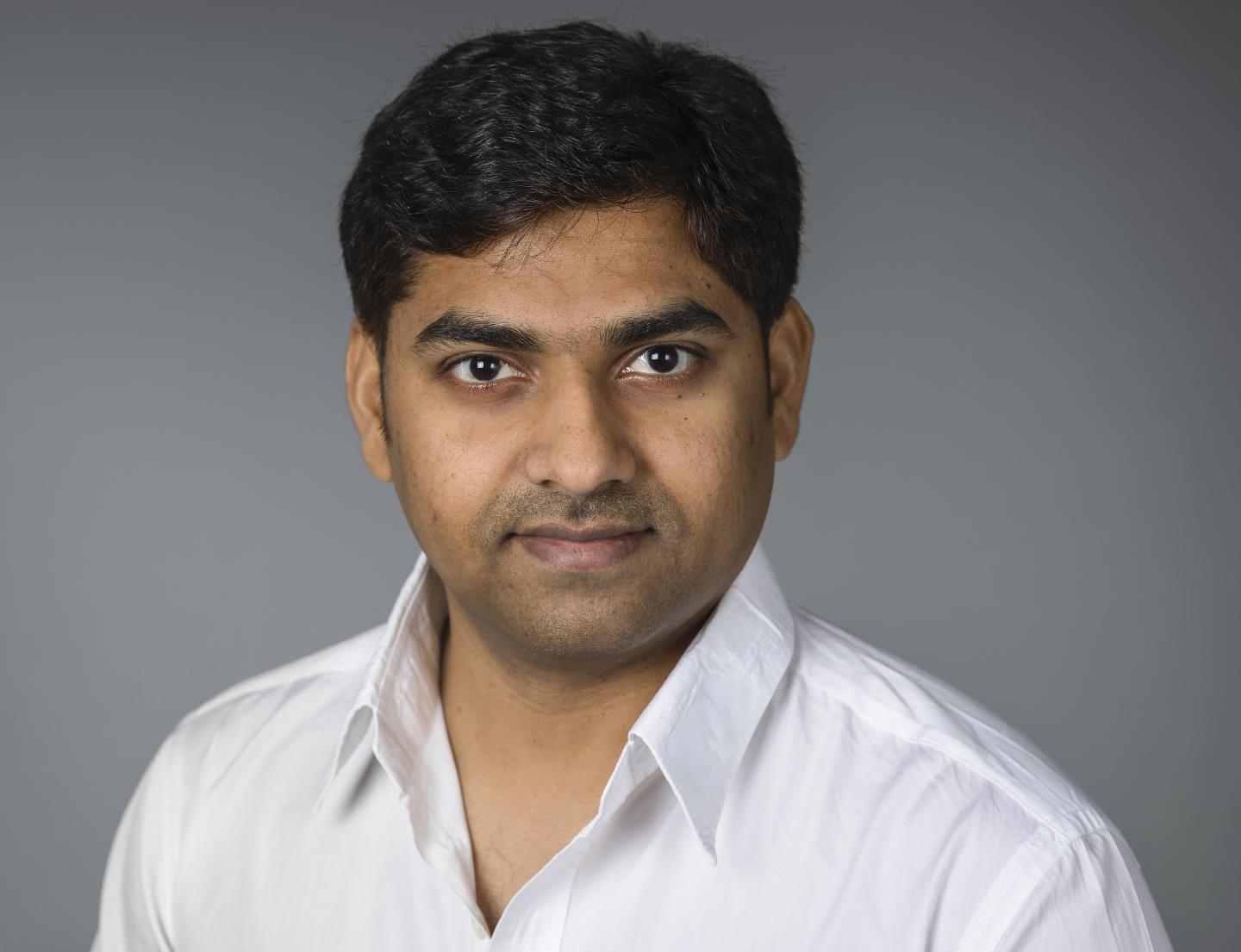
Credit: Mattias Pettersson


A helicase, Pfh1, can thanks to several different mechanisms protect the genome from DNA obstacles and damages associated with cancer. This is shown in a doctoral thesis at Umeå university, Sweden.

Approximately one per cent of each organism’s genome encodes helicases. Helicases are mostly known as motor enzymes that can unwrap double-stranded DNA by use of energy. In his doctoral thesis at the Department of Medical Cheimstry and Biophysics at Umeå University, Jani Basha Mohammad focused on the evolutionary conserved Pif1 family helicases that are associated to breast cancer.

He performed a detailed mechanistic study about how the yeast Schizosaccharomyces pombe Pif1 helicase, Pfh1, can maintain genome integrity. In S. pombe, Pfh1 is encoded by an essential gene and depletion of this gene leads to DNA damage.

DNA molecules are known to form a double-stranded DNA helix with two strands wrapping around each other. However, in his thesis Jani also studied another form of DNA which forms a four-stranded DNA in guanine-rich DNA regions, a so-called G4 structure. G4 structures are very stable structures, and need to be resolved by specialized helicases. If not unfolded, they can lead to DNA damage and genome instability, which is tightly connected to diseases such as cancer.

Jani Basha Mohammad and his colleagues showed that Pfh1 is one of the specialized helicases that can unwind these structures, and thereby promoting genome integrity.

Other obstacles that can threaten genome integrity are tightly bound proteins to the genome and R-loops, a three-stranded RNA/DNA region. Jani Basha Mohammad showed that Pfh1 helicase also efficiently remove these obstacles from the genome. As these types of obstacles are found in humans as well, it is very likely that the human Pfh1 homolog, Pif1, also have similar properties. Apart from the above properties, Jani also found that Pfh1 can rewind DNA molecules, an enzymatic activity that may be important during DNA repair.

Jani Basha Mohammad further characterized different domains of the Pfh1 protein. One of these domains is mutated in human Pif1 and is carried by some breast cancer patients. This domain is evolutionary conserved, and he could show that the corresponding mutation in Pfh1 leads to a misregulated Pfh1. These misregulations may explain the genome integrity defects that is found in the breast cancer families.

The data has shed light on how Pfh1 can promote genome integrity. These studies have been quite tricky to perform previously, since Pfh1 has been difficult to express and purify. Therefore, by optimizing the purification protocols Jani Basha Mohammad and his colleagues could finally perform these in-depth mechanistic studies.

Jani Basha Mohammad has studied Biotechnology in Banglore University, India. He moved to Sweden in spring 2009 to study a master program in Biochemistry.

###

Media Contact
Ola Nilsson
[email protected]

Original Source

http://umu.diva-portal.org/smash/record.jsf?language=sv&pid=diva2%3A1279948&dswid=5558

Tags: BiochemistryBiomechanics/BiophysicsMedicine/Health
Share12Tweet8Share2ShareShareShare2

Related Posts

blank

Probiotic Yeast Enhances Korean Rice Wine Fermentation

January 12, 2026
blank

Unveiling Complex Chromosomal Insertions with Karyotyping

January 12, 2026

Diving Deep: Sindiplozoon Coreius Mitochondrial Genome Unveiled

January 12, 2026

PET Microplastics Harm Pig Pancreas Through Lipotoxicity

January 11, 2026
Please login to join discussion

POPULAR NEWS

  • Enhancing Spiritual Care Education in Nursing Programs

    154 shares
    Share 62 Tweet 39
  • PTSD, Depression, Anxiety in Childhood Cancer Survivors, Parents

    146 shares
    Share 58 Tweet 37
  • Robotic Ureteral Reconstruction: A Novel Approach

    69 shares
    Share 28 Tweet 17
  • Impact of Vegan Diet and Resistance Exercise on Muscle Volume

    47 shares
    Share 19 Tweet 12

About

We bring you the latest biotechnology news from best research centers and universities around the world. Check our website.

Follow us

Recent News

Daidzein from Macrotyloma: Epigenetic Leukemia Therapy

Toxic Metal Risks in Mediterranean Fish: Cooking Methods

Phyllanthus niruri Boosts Cancer Cell Death via Hippo-YAP

Subscribe to Blog via Email

Enter your email address to subscribe to this blog and receive notifications of new posts by email.

Join 71 other subscribers
  • Contact Us

Bioengineer.org © Copyright 2023 All Rights Reserved.

Welcome Back!

Login to your account below

Forgotten Password?

Retrieve your password

Please enter your username or email address to reset your password.

Log In
No Result
View All Result
  • Homepages
    • Home Page 1
    • Home Page 2
  • News
  • National
  • Business
  • Health
  • Lifestyle
  • Science

Bioengineer.org © Copyright 2023 All Rights Reserved.