Organizational support, more than professionals’ attitude, is the fundamental element for the success of the process of managerialization of hospital doctors, according to a study by Marco Sartirana and colleagues
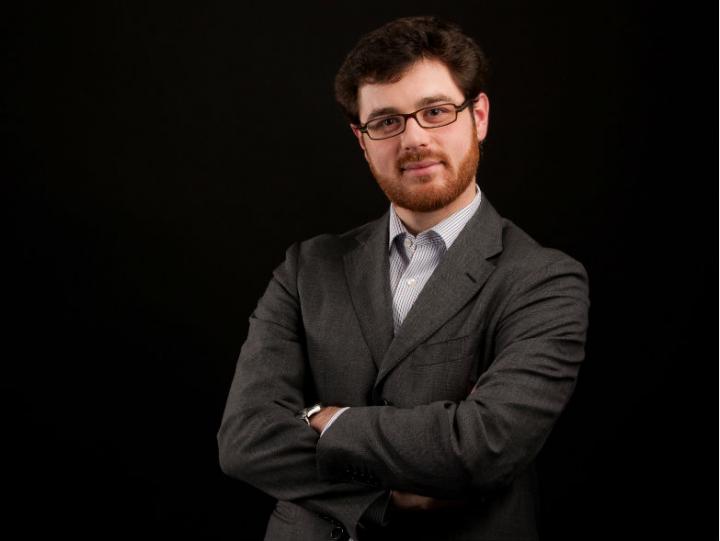
Credit: Paolo Tonato
If hospital doctors around the world often struggle to become those health centaurs, half professionals and half managers, that modern healthcare organizations need, the main responsibility is not their resistance to change, but the lack of effective support from the organization, according to a study by Marco Sartirana (CERGAS, Bocconi University), Graeme Currie (Warwick Business School), and Mirko Noordegraaf (Utrecht School of Governance), published by the Public Management Review. «The development of these “hybrid” roles is an interactive process», says Prof. Sartirana, «and where professionals are surrounded by an effective support network we witness successful transformations. Doctors are thus able to become familiar with the new management role, give it meaning, and legitimize it in the professional community.
The drive towards the managerialization of doctors in top roles does not distort their job and professionalism, because it depends on the need to cope with social changes that have transformed the attitude of patients. Today it is necessary to work – and teach how to work – in clinical teams and integrated treatment paths in order to respond to the increasingly widespread cases of multi-morbidity and chronicity. It is also important to measure health outcomes to meet the expectations of citizens, who are increasingly searching the quality of a hospital or department before choosing it. And in this the key responsibility is played by doctors in top positions, because – as happens in any professional organization – clinicians respond first of all to those colleagues who have clinical authority and hold leadership positions.
By analyzing the success story of a large university hospital in the Netherlands, Sartirana and his colleagues identify the organizational actions that can support this transformation. Health care professionals must have decision-making autonomy and a budget to manage («if the doctor is to become also a manager, he must be allowed to act as a manager»); they must be surrounded by quality managerial profiles (for example, the head of HR of the hospital analyzed had held the same role in one of the largest private companies in the Netherlands); working in teams and receiving feedback from qualified individuals from other professions (in the Dutch case, the medical department director works in a collegial body which includes a nursing director, a research director and a financial director); being able to carry out adequate management training; having access to external coaches and fellow mentors who have held the same position in the past.
«Our study», concludes Prof. Sartirana, «shows that the prejudice that doctors are unwilling or unable to undertake this transformation must be overcome. Those professionals who have adequate competence and motivation can become “hybrids”, provided they are effectively supported».
###
Marco Sartirana, Graeme Currie, Mirko Noordegraaf (2018), Interactive identity work of professionals in management: a hospital case study, Public Management Review, DOI: 10.1080/14719037.2018.1549269.
Media Contact
Fabio Todesco
[email protected]
39-335-642-9254
Original Source
https:/
Related Journal Article
http://dx.