• HOME
  • NEWS
  • EXPLORE
    • CAREER
      • Companies
      • Jobs
    • EVENTS
    • iGEM
      • News
      • Team
    • PHOTOS
    • VIDEO
    • WIKI
  • BLOG
  • COMMUNITY
    • FACEBOOK
    • INSTAGRAM
    • TWITTER
Saturday, February 7, 2026
BIOENGINEER.ORG
No Result
View All Result
  • Login
  • HOME
  • NEWS
  • EXPLORE
    • CAREER
      • Companies
      • Jobs
        • Lecturer
        • PhD Studentship
        • Postdoc
        • Research Assistant
    • EVENTS
    • iGEM
      • News
      • Team
    • PHOTOS
    • VIDEO
    • WIKI
  • BLOG
  • COMMUNITY
    • FACEBOOK
    • INSTAGRAM
    • TWITTER
  • HOME
  • NEWS
  • EXPLORE
    • CAREER
      • Companies
      • Jobs
        • Lecturer
        • PhD Studentship
        • Postdoc
        • Research Assistant
    • EVENTS
    • iGEM
      • News
      • Team
    • PHOTOS
    • VIDEO
    • WIKI
  • BLOG
  • COMMUNITY
    • FACEBOOK
    • INSTAGRAM
    • TWITTER
No Result
View All Result
Bioengineer.org
No Result
View All Result
Home NEWS Science News Biology

Corals light the way to a healthy partnership

Bioengineer by Bioengineer
January 22, 2019
in Biology
Reading Time: 2 mins read
0
IMAGE
Share on FacebookShare on TwitterShare on LinkedinShare on RedditShare on Telegram

IMAGE

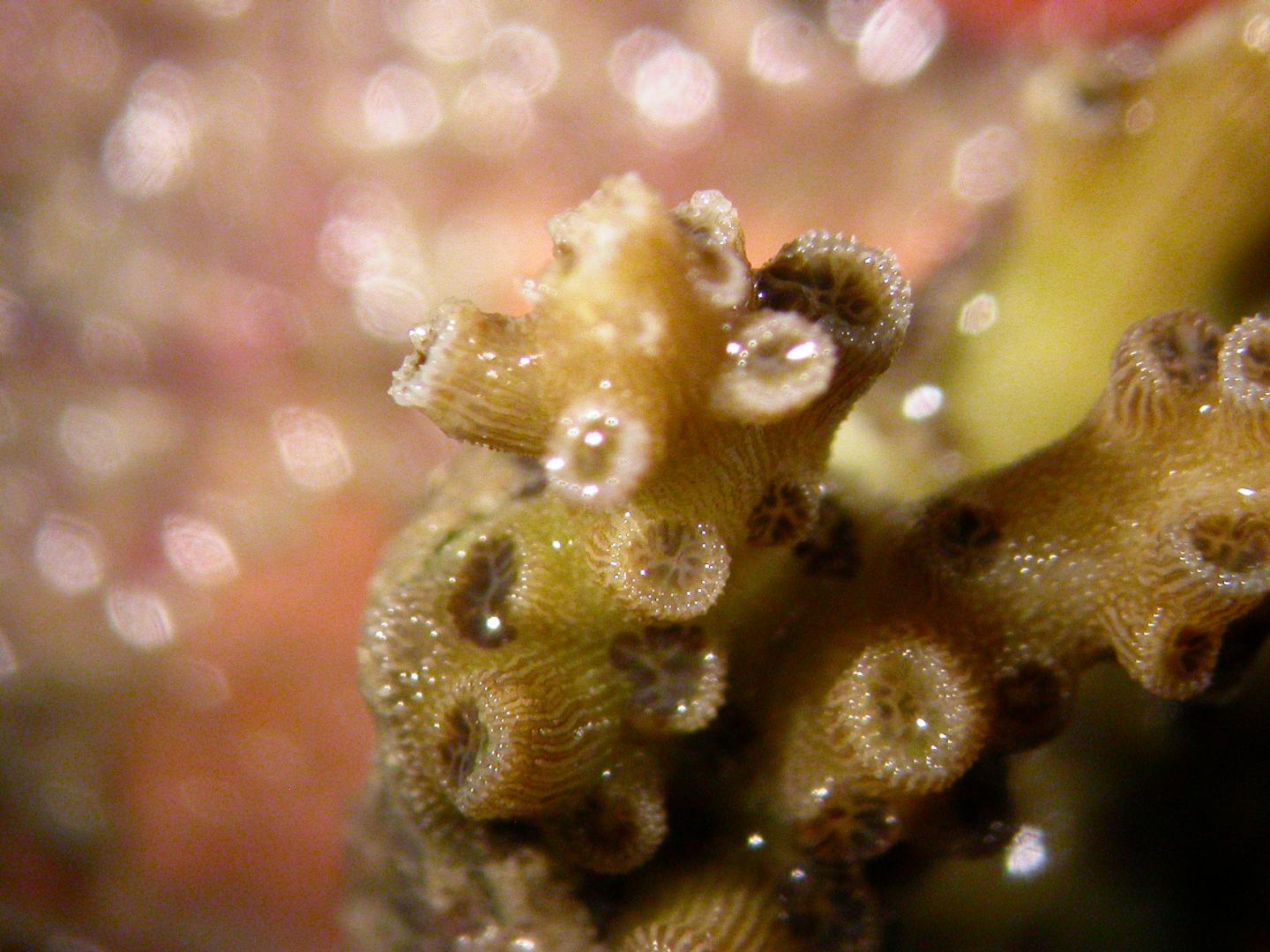
Credit: Craig Humphrey


Corals know how to attract good company. New research finds that corals emit an enticing fluorescent green light that attracts the mobile microalgae, known as Symbiodinium, that are critical to the establishment of a healthy partnership.

The study led by researchers at Japan’s National Institute for Basic Biology and the ARC Centre of Excellence for Coral Reef Studies at James Cook University (Coral CoE) sheds new light on the mechanism that brings corals and Symbiodinium together, for example, following a bleaching episode.

“Most reef corals can not function without Symbiodinium,” said Shunichi Takahashi from the National Institute of Basic Biology.

“Following the back-to-back mass bleaching events, images of bleached white coral contrasted with healthy, vibrantly coloured coral were widespread. The key difference between the two is the abundance of Symbiodinum in the coral’s tissue. Without sufficient Symbiodinum, which provide corals with nutrients via photosynthesis, the coral will starve.”

“Thirty percent of corals receive their Symbiodinium from their parents, the other seventy percent, need a different mechanism,” said co-author Prof Andrew Baird of Coral CoE

But what brings the two organisms together? Corals are stationary creatures, however Symbiodinium can move freely through the water column.

The study reveals that corals have evolved a cunning ability to draw the Symbiodinium to them.

The researchers used the chalice coral, Echinophyllia aspera, to test whether the green fluorescent light emitted by corals under certain conditions can signal the Symbiodinium in the water column to move towards them: a process known as “positive phototaxis.”

“Our research identifies a novel biological signaling tool that underlies the success of a relationship essential for healthy coral reef ecosystems, ” said Prof Baird.

###

The paper “Green fluorescence from cnidarian hosts attracts symbiotic algae” is published in the journal Proceedings of the National Academy of Sciences.

Media Contact
Catherine Naum
[email protected]
042-878-5895

Related Journal Article

http://dx.doi.org/10.1073/pnas.181225711

Tags: BiologyMarine/Freshwater BiologyMolecular Biology
Share12Tweet8Share2ShareShareShare2

Related Posts

Florida Cane Toad: Complex Spread and Selective Evolution

Florida Cane Toad: Complex Spread and Selective Evolution

February 7, 2026
New Study Uncovers Mechanism Behind Burn Pit Particulate Matter–Induced Lung Inflammation

New Study Uncovers Mechanism Behind Burn Pit Particulate Matter–Induced Lung Inflammation

February 6, 2026

DeepBlastoid: Advancing Automated and Efficient Evaluation of Human Blastoids with Deep Learning

February 6, 2026

Navigating the Gut: The Role of Formic Acid in the Microbiome

February 6, 2026
Please login to join discussion

POPULAR NEWS

  • Robotic Ureteral Reconstruction: A Novel Approach

    Robotic Ureteral Reconstruction: A Novel Approach

    82 shares
    Share 33 Tweet 21
  • Digital Privacy: Health Data Control in Incarceration

    63 shares
    Share 25 Tweet 16
  • Study Reveals Lipid Accumulation in ME/CFS Cells

    57 shares
    Share 23 Tweet 14
  • Breakthrough in RNA Research Accelerates Medical Innovations Timeline

    53 shares
    Share 21 Tweet 13

About

We bring you the latest biotechnology news from best research centers and universities around the world. Check our website.

Follow us

Recent News

Evaluating Pediatric Emergency Care Quality in Ethiopia

TPMT Expression Predictions Linked to Azathioprine Side Effects

Improving Dementia Care with Enhanced Activity Kits

Subscribe to Blog via Email

Success! An email was just sent to confirm your subscription. Please find the email now and click 'Confirm' to start subscribing.

Join 73 other subscribers
  • Contact Us

Bioengineer.org © Copyright 2023 All Rights Reserved.

Welcome Back!

Login to your account below

Forgotten Password?

Retrieve your password

Please enter your username or email address to reset your password.

Log In
No Result
View All Result
  • Homepages
    • Home Page 1
    • Home Page 2
  • News
  • National
  • Business
  • Health
  • Lifestyle
  • Science

Bioengineer.org © Copyright 2023 All Rights Reserved.