• HOME
  • NEWS
  • EXPLORE
    • CAREER
      • Companies
      • Jobs
    • EVENTS
    • iGEM
      • News
      • Team
    • PHOTOS
    • VIDEO
    • WIKI
  • BLOG
  • COMMUNITY
    • FACEBOOK
    • INSTAGRAM
    • TWITTER
Thursday, September 24, 2026
BIOENGINEER.ORG
No Result
View All Result
  • Login
  • HOME
  • NEWS
  • EXPLORE
    • CAREER
      • Companies
      • Jobs
        • Lecturer
        • PhD Studentship
        • Postdoc
        • Research Assistant
    • EVENTS
    • iGEM
      • News
      • Team
    • PHOTOS
    • VIDEO
    • WIKI
  • BLOG
  • COMMUNITY
    • FACEBOOK
    • INSTAGRAM
    • TWITTER
  • HOME
  • NEWS
  • EXPLORE
    • CAREER
      • Companies
      • Jobs
        • Lecturer
        • PhD Studentship
        • Postdoc
        • Research Assistant
    • EVENTS
    • iGEM
      • News
      • Team
    • PHOTOS
    • VIDEO
    • WIKI
  • BLOG
  • COMMUNITY
    • FACEBOOK
    • INSTAGRAM
    • TWITTER
No Result
View All Result
Bioengineer.org
No Result
View All Result
Home NEWS Science News Biology

How baby aspirin saves lives (video)

Bioengineer by Bioengineer
January 3, 2019
in Biology
Reading Time: 1 min read
0
IMAGE
Share on FacebookShare on TwitterShare on LinkedinShare on RedditShare on Telegram

IMAGE

Credit: The American Chemical Society


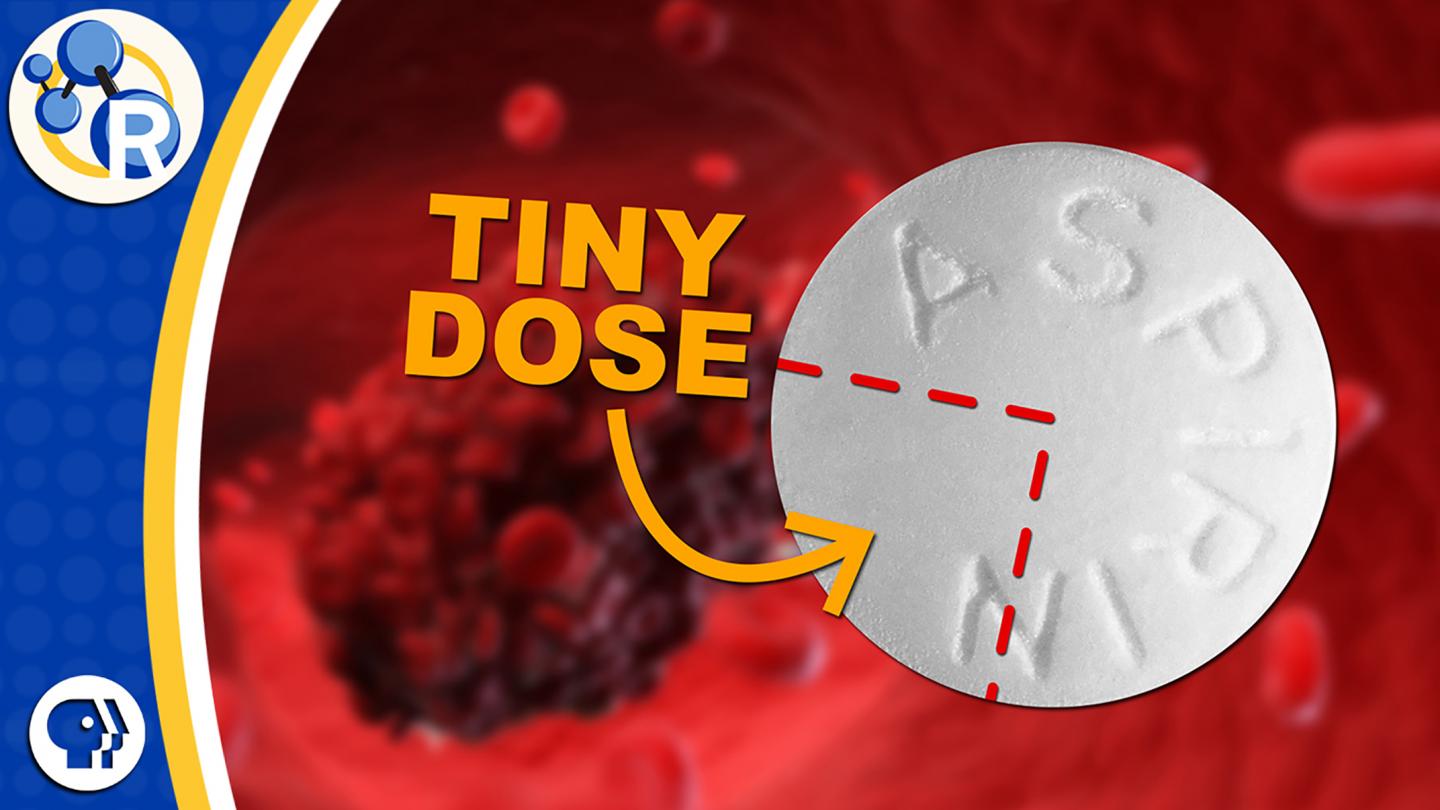
WASHINGTON, Jan. 3, 2019 — Low-dose “baby” aspirin is rarely given to children anymore. Instead, people at risk of a heart attack may take a daily aspirin to decrease their risk. In this video, Reactions explains how low-dose aspirin works to inhibit blood clotting and help prevent heart attacks: https://youtu.be/RYeEGetrjqQ.

###

Reactions is a video series produced by the American Chemical Society and PBS Digital Studios. Subscribe to Reactions at http://bit.ly/ACSReactions, and follow us on Twitter @ACSreactions.

The American Chemical Society, the world’s largest scientific society, is a not-for-profit organization chartered by the U.S. Congress. ACS is a global leader in providing access to chemistry-related information and research through its multiple databases, peer-reviewed journals and scientific conferences. ACS does not conduct research, but publishes and publicizes peer-reviewed scientific studies. Its main offices are in Washington, D.C., and Columbus, Ohio.

To automatically receive press releases from the American Chemical Society, contact [email protected]”>[email protected].

Follow us: Twitter Facebook Instagram

Media Contact
Katie Cottingham, Ph.D.
[email protected]
301-775-8455

Tags: BiochemistryBiologyCell BiologyChemistry/Physics/Materials SciencesEducationIndustrial Engineering/ChemistryNonprofessionalPharmaceutical SciencesPharmaceutical/Combinatorial ChemistryScience/Math
Share12Tweet8Share2ShareShareShare2

Related Posts

Jumping Genes Divide the Animal Kingdom into Sea and Land Clades

Jumping Genes Divide the Animal Kingdom into Sea and Land Clades

September 24, 2026
Gut Bacteria Turn Sugarcane Waste into Fuel Gold in Biorefinery Breakthrough

Gut Bacteria Turn Sugarcane Waste into Fuel Gold in Biorefinery Breakthrough

September 24, 2026

New AI framework DePass cleans and merges multi-omics data across cells and tissues

September 24, 2026

Hidden Infections and Scarred Livers: Urban Schistosomiasis Runs Deeper Than Brazil’s Official Numbers Suggest

September 24, 2026
Please login to join discussion

POPULAR NEWS

  • Jumping Genes Divide the Animal Kingdom into Sea and Land Clades

    29 shares
    Share 12 Tweet 7
  • Wrist-Worn CO2 Sensor Uses Silicone Layer and Smart Statistics to Deliver Reliable Early Readings

    29 shares
    Share 12 Tweet 7
  • How Organoids Became Biology’s Most Powerful Miniature Laboratories

    29 shares
    Share 12 Tweet 7
  • Glowing Hands and AI: How UV Feedback Helped Schoolchildren Wash Better for Months

    29 shares
    Share 12 Tweet 7

About

We bring you the latest biotechnology news from best research centers and universities around the world. Check our website.

Follow us

Recent News

Jumping Genes Divide the Animal Kingdom into Sea and Land Clades

Wrist-Worn CO2 Sensor Uses Silicone Layer and Smart Statistics to Deliver Reliable Early Readings

How Organoids Became Biology’s Most Powerful Miniature Laboratories

Subscribe to Blog via Email

Enter your email address to subscribe to this blog and receive notifications of new posts by email.

Join 85 other subscribers
  • Contact Us

Bioengineer.org © Copyright 2023 All Rights Reserved.

Welcome Back!

Login to your account below

Forgotten Password?

Retrieve your password

Please enter your username or email address to reset your password.

Log In
No Result
View All Result
  • Homepages
    • Home Page 1
    • Home Page 2
  • News
  • National
  • Business
  • Health
  • Lifestyle
  • Science

Bioengineer.org © Copyright 2023 All Rights Reserved.