• HOME
  • NEWS
  • EXPLORE
    • CAREER
      • Companies
      • Jobs
    • EVENTS
    • iGEM
      • News
      • Team
    • PHOTOS
    • VIDEO
    • WIKI
  • BLOG
  • COMMUNITY
    • FACEBOOK
    • INSTAGRAM
    • TWITTER
Saturday, February 7, 2026
BIOENGINEER.ORG
No Result
View All Result
  • Login
  • HOME
  • NEWS
  • EXPLORE
    • CAREER
      • Companies
      • Jobs
        • Lecturer
        • PhD Studentship
        • Postdoc
        • Research Assistant
    • EVENTS
    • iGEM
      • News
      • Team
    • PHOTOS
    • VIDEO
    • WIKI
  • BLOG
  • COMMUNITY
    • FACEBOOK
    • INSTAGRAM
    • TWITTER
  • HOME
  • NEWS
  • EXPLORE
    • CAREER
      • Companies
      • Jobs
        • Lecturer
        • PhD Studentship
        • Postdoc
        • Research Assistant
    • EVENTS
    • iGEM
      • News
      • Team
    • PHOTOS
    • VIDEO
    • WIKI
  • BLOG
  • COMMUNITY
    • FACEBOOK
    • INSTAGRAM
    • TWITTER
No Result
View All Result
Bioengineer.org
No Result
View All Result
Home NEWS Science News Cancer

HIV drug blocks bone metastases in prostate cancer

Bioengineer by Bioengineer
December 1, 2014
in Cancer
Reading Time: 2 mins read
0
Share on FacebookShare on TwitterShare on LinkedinShare on RedditShare on Telegram

Although prostate cancer can be successfully treated in many men, when the disease metastasizes to the bone, it is eventually lethal. In a study published online December 1st in the journal Cancer Research, researchers show that the receptor CCR5 best known for its role in HIV therapy, may also be involved in driving the spread of prostate cancer to the bone.
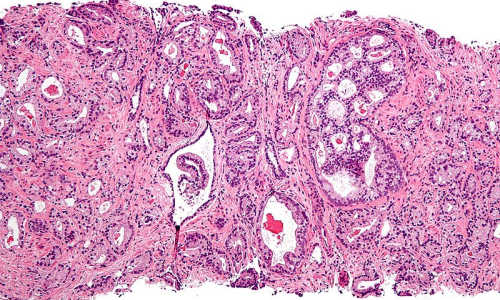
HIV drug blocks bone metastases in prostate cancer

“Because this work shows we can dramatically reduce metastasis in pre-clinical models, and because the drug is already FDA approved for HIV treatment- we may be able to test soon whether this drug can block metastasis in patients with prostate cancer,” says Richard Pestell, M.D., Ph.D., MBA, Director of the Sidney Kimmel Cancer Center at Thomas Jefferson University and senior author on the study.

The work builds on previous research from Dr. Pestell’s lab that showed in 2012 that CCR5 signaling was key in the spread of aggressive forms of breast cancer to the lungs. Their prior paper demonstrated that breast cancer cells that carried the CCR5 receptor on their surface were drawn to the lung. Given that prostate cancer cells were attracted to the bone and brain, Pestell’s team investigated whether CCR5 could play a role in prostate cancer metastases as well.

The research was complicated by the fact that there was no immune competent mouse model of prostate cancer that reliably developed bone and brain metastases. So the researchers developed a prostate cancer cell line, driven by an upregulated Src gene, that regularly caused bone metastases in immune-competent mouse models. Because the immune system is so important in human prostate cancer it was important to develop a model that reflected human disease.

The researchers analyzed the genes of the metastasized bone and brain tumors and found genes driving the cancer were also involved in the CCR5 signaling pathway. To investigate further, the researchers administered the CCR5-blocking drug maraviroc to the new prostate cancer mouse model. In comparison to control animals, maraviroc dramatically reduced the overall metastatic load by 60 percent in the bone, brain and other organs.

Finally, in order to determine whether a similar mechanism might be at play in human prostate cancer, the researchers mined the genomic data of patients with prostate cancer and found that CCR5 was more highly expressed in prostate cancer tissue compared with normal tissue, and even more highly expressed in metastases compared with primary tumors. “In fact, we noticed that patients who had a lower expression of the CCR5-pathway genes had a longer survival times, whereas high expression of these CCR5 genes was associated with a shorter overall survival,” said co-first author Xuanmao Jiao, Ph.D., and an instructor in the department of Cancer Biology at Jefferson.

Story Source:

The above story is based on materials provided byThomas Jefferson University.

Share12Tweet8Share2ShareShareShare2

Related Posts

Deep Learning Uncovers Tetrahydrocarbazoles as Potent Broad-Spectrum Antitumor Agents with Click-Activated Targeted Cancer Therapy Approach

February 7, 2026

Newly Discovered Limonoid DHL-11 from Munronia henryi Targets IMPDH2 to Combat Triple-Negative Breast Cancer

February 7, 2026

New Discovery Reveals Why Ovarian Cancer Spreads Rapidly in the Abdomen

February 6, 2026

New Study Finds Americans Favor In-Clinic Screening Over At-Home Tests for Cervical Cancer

February 6, 2026
Please login to join discussion

POPULAR NEWS

  • Robotic Ureteral Reconstruction: A Novel Approach

    Robotic Ureteral Reconstruction: A Novel Approach

    82 shares
    Share 33 Tweet 21
  • Digital Privacy: Health Data Control in Incarceration

    63 shares
    Share 25 Tweet 16
  • Study Reveals Lipid Accumulation in ME/CFS Cells

    57 shares
    Share 23 Tweet 14
  • Breakthrough in RNA Research Accelerates Medical Innovations Timeline

    53 shares
    Share 21 Tweet 13

About

We bring you the latest biotechnology news from best research centers and universities around the world. Check our website.

Follow us

Recent News

Exploring Decision-Making in Dementia Caregivers’ Mobility

Succinate Receptor 1 Limits Blood Cell Formation, Leukemia

Palmitoylation of Tfr1 Drives Platelet Ferroptosis and Exacerbates Liver Damage in Heat Stroke

Subscribe to Blog via Email

Enter your email address to subscribe to this blog and receive notifications of new posts by email.

Join 73 other subscribers
  • Contact Us

Bioengineer.org © Copyright 2023 All Rights Reserved.

Welcome Back!

Login to your account below

Forgotten Password?

Retrieve your password

Please enter your username or email address to reset your password.

Log In
No Result
View All Result
  • Homepages
    • Home Page 1
    • Home Page 2
  • News
  • National
  • Business
  • Health
  • Lifestyle
  • Science

Bioengineer.org © Copyright 2023 All Rights Reserved.