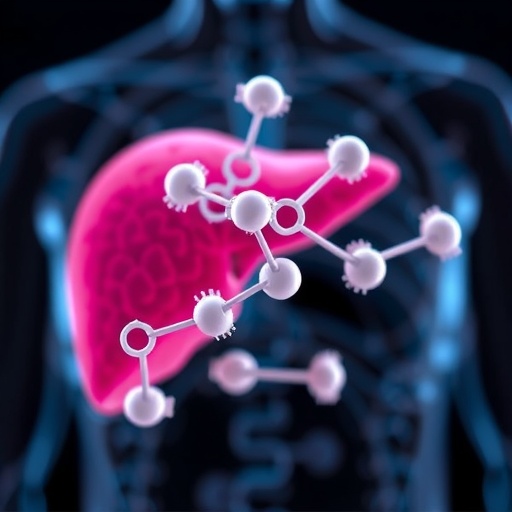
In a groundbreaking study, researchers have unveiled the potential therapeutic effects of zinc oxide resveratrol nanoparticles in mitigating hepatotoxicity induced by the antibiotic levofloxacin in a rat model. This investigation seeks to address a considerable concern in the medical community regarding the side effects of widely prescribed antibiotics, particularly their impact on liver health. With antibiotic resistance on the rise and the need for safer alternatives, these findings usher in a new era for therapeutic interventions in pharmacology and toxicology.
Levofloxacin, a fluoroquinolone antibiotic, is commonly employed to treat various bacterial infections. However, its use is often overshadowed by the adverse effects it can inflict on liver function, potentially leading to serious hepatic impairment. In this study, the authors rigorously examined the extent of levofloxacin’s hepatotoxicity and explored how zinc oxide resveratrol nanoparticles could offer a protective shield against this damage. By employing a rat model, they were able to simulate human-like physiological responses, allowing for more accurate assessments of the drug interactions at play.
The mechanism behind the hepatotoxic effects of levofloxacin is complex and multifactorial. Preliminary findings indicated that levofloxacin could induce oxidative stress and apoptosis in liver cells, leading to inflammation and cellular damage. In light of this, the researchers sought to harness the antioxidant properties of resveratrol, a natural polyphenol found in various plants, primarily grapes. Resveratrol is well-known for its hepatoprotective attributes, and when coupled with zinc oxide nanoparticles, it is believed to enhance its therapeutic efficacy dramatically.
Nanotechnology has emerged as a formidable ally in medical science, paving the way for the development of nanoparticles that can improve drug delivery and minimize side effects. The incorporation of zinc oxide into resveratrol not only amplifies its antioxidant potential but also promotes its bioavailability. This study meticulously outlined the preparation and characterization of zinc oxide resveratrol nanoparticles, emphasizing their size, surface area, and stability, critical parameters that dictate their functionality in biological systems.
Upon administering the nanoparticles to rats subjected to levofloxacin, the study’s results were telling. Liver function tests revealed a significant reduction in serum levels of hepatic enzymes, markers often indicative of liver damage. Additionally, histopathological examinations displayed reduced inflammation and necrosis in liver tissues, underscoring the nanoparticles’ protective capacity. These findings suggest that zinc oxide resveratrol nanoparticles do not merely act as passive agents but actively stimulate liver recovery processes.
Moreover, the authors explored the underlying biochemical pathways involved in the protective effects of the nanoparticles. The expression levels of various oxidative stress markers and inflammatory cytokines were assessed to determine the nanoparticles’ influence on cellular signaling pathways. The results indicated that the nanoparticles could significantly attenuate the oxidative stress associated with levofloxacin, correlating with the observed improvements in liver function.
As research continues, the implications of these findings transcend the laboratory. The use of zinc oxide resveratrol nanoparticles could revolutionize the way we approach the treatment of infections, particularly in populations vulnerable to antibiotic-induced organ damage, such as the elderly or those with pre-existing liver conditions. By offering a dual action of combating infections while safeguarding the liver, these nanoparticles provide a promising avenue in the development of next-generation therapeutics.
However, the journey towards clinical application is fraught with challenges. Future studies must rigorously evaluate the long-term safety and efficacy of these nanoparticles in larger animal models and subsequently in human clinical trials. Addressing potential toxicological concerns and ensuring that these nanoparticles do not introduce additional risks will be paramount.
In an era where multi-drug resistance is emerging as a global crisis, the findings from this study could serve as a beacon of hope. If successful, the integration of protective agents into antibiotic regimens may not only help to preserve liver function but also extend the efficacy of existing antibiotics. Furthermore, this research could stimulate a broader investigation into other combinations of nanoparticles and natural bioactive compounds, potentially leading to a suite of new therapeutic options.
As the medical community grapples with the dual challenges of effective infection control and minimizing drug side effects, studies like this illuminate a path forward. The intersection of nanotechnology and biomedicine holds tremendous promise, and researchers are continuously uncovering innovative ways to enhance patient care. The protective effects of zinc oxide resveratrol nanoparticles reiterate the importance of collaborative research across disciplines, merging pharmacology, toxicology, and nanotechnology for improved health outcomes.
In conclusion, this innovative research not only highlights the dangers associated with levofloxacin but also offers an exciting glimpse into the future of drug development. By leveraging the power of nanoparticles, we may be able to create treatments that are not only effective against infections but also protective of vital organ systems, thereby drastically improving the quality of therapeutic options available to healthcare providers and their patients alike.
In summary, zinc oxide resveratrol nanoparticles present a novel solution to a pressing medical issue, ensuring that patients can continue to benefit from effective antibiotics without compromising their liver health. The compelling evidence gathered in this study lays the groundwork for further investigations, promising brighter prospects for safe and effective treatment strategies.
Subject of Research: Hepatotoxicity induced by levofloxacin and protective effects of zinc oxide resveratrol nanoparticles.
Article Title: Zinc oxide resveratrol nanoparticles ameliorate levofloxacin-induced hepatotoxicity in rat model.
Article References:
Zaki, N.F., Orabi, S.H., Abdel-Bar, H.M. et al. Zinc oxide resveratrol nanoparticles ameliorate levofloxacin-induced hepatotoxicity in rat model.
BMC Pharmacol Toxicol (2025). https://doi.org/10.1186/s40360-025-01068-x
Image Credits: AI Generated
DOI:
Keywords: Zinc oxide, resveratrol nanoparticles, levofloxacin, hepatotoxicity, oxidative stress, liver damage, nanotechnology, pharmacology.
Tags: alternative treatments for antibiotic resistanceantibiotic-induced liver damagefluoroquinolone antibiotic side effectshepatoprotective agentshepatotoxicity from levofloxacininflammation and cellular damage in liverliver protection mechanismsoxidative stress in liver cellspharmacology and toxicology advancementsrat model for drug testingtherapeutic interventions for liver healthzinc oxide resveratrol nanoparticles