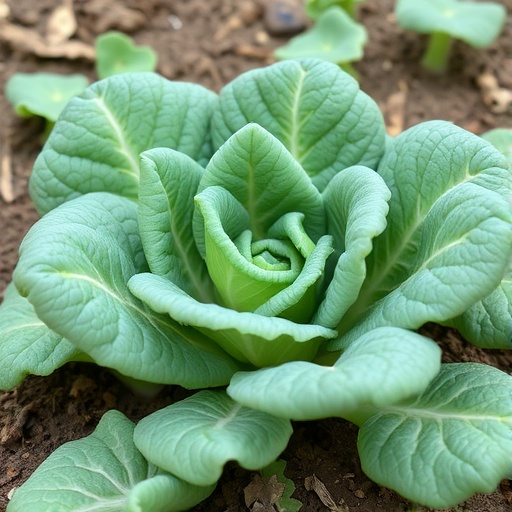
In an era where food security and sustainable agriculture are becoming increasingly vital, newly published scientific research reveals a promising development in enhancing crop resilience. A recent study conducted by Arif, Siraj, Ana, and colleagues explores the synergistic roles of zinc and boron in promoting growth, stress physiology, and heavy metal tolerance in the widely cultivated plant, Brassica rapa L., commonly known as field mustard. This research not only sheds light on the essential nutrients required for optimal plant growth but also underscores the critical need for innovative approaches to crop management in environmentally stressed conditions.
Brassica rapa is a member of the Brassicaceae family, celebrated for its nutritional and economic significance. It plays a crucial role in global food production systems. However, the cultivation of Brassica rapa is not without challenges. Environmental stresses, particularly heavy metal contamination, threaten agricultural productivity and food quality. This study illuminates how specific micronutrients—zinc and boron—can mitigate these adverse effects, thereby fostering healthier crops while simultaneously enhancing soil health.
Zinc and boron are quintessential micronutrients in the plant world, yet their roles are often overlooked in conventional agricultural practices. Zinc is vital for numerous metabolic processes, including protein synthesis, enzyme function, and DNA transcription. Boron, on the other hand, plays a pivotal role in cell wall formation and the regulation of various physiological processes. By addressing these micronutrient deficiencies in field mustard, researchers are creating a pathway to more resilient agricultural systems capable of withstanding the rigors of climate change and industrial pollution.
The researchers conducted a series of experiments designed to assess the impact of varying concentrations of zinc and boron on Brassica rapa. One of the significant findings of the study was the noted improvement in plant growth metrics, such as height, leaf area, and overall biomass, when these micronutrients were applied together. This synergistic effect indicates that these nutrients not only work independently but, when combined, significantly bolster the physiological responses of field mustard plants under stress conditions.
A critical aspect of this research is its examination of heavy metal tolerance. Crops are frequently exposed to toxic metals like cadmium, lead, and arsenic, especially in contaminated soils. The study’s findings suggest that the combined application of zinc and boron can enhance the plant’s ability to tolerate these hazardous conditions. This discovery is crucial for agricultural practices in areas with high levels of soil contamination and for the restoration of polluted environments.
The physiological mechanisms driving the enhanced stress tolerance are complex. The study indicates that zinc contributes to stabilizing cellular membranes and mitigating oxidative stress, while boron optimizes hormone signaling pathways that facilitate stress responses. Collectively, these interactions promote not just survival but vigorous growth even in compromised conditions, capable of withstanding heavy metal exposure that would typically inhibit plant development.
Furthermore, the implications of these findings extend beyond academic curiosity. For farmers and agronomists, incorporating zinc and boron into fertilization protocols could promote healthier yields and ensure food security against the backdrop of growing agricultural challenges. As countries face increasing difficulty meeting the food demands of a burgeoning global population, these insights provide a practical and potentially transformative approach to crop management.
Yet, while the research uncovers significant findings, it also calls for further investigation into the long-term effects of micronutrient application. Sustainable agricultural practices rely on not just immediate gains, but also on the health of the soil and ecosystems over time. Thus, future studies must examine the implications of continuous micronutrient application on soil biodiversity, moisture retention, and nutrient cycling.
This pivotal research also further emphasizes the importance of adopting an integrated nutrient management approach as part of sustainable agriculture. By considering the interactions between various nutrients and their collective impact on environmental stressors, agronomists can design more effective fertilization strategies that align with ecological principles. As the global agricultural community grapples with the threats posed by climate change, these innovative strategies could serve as a blueprint for resilience.
The integration of zinc and boron into agricultural practices not only supports plant growth but also enhances soil quality. Healthier soils lead to more nutritious crops, which ultimately benefits consumers. In today’s world, where dietary deficiencies are prevalent, ensuring that crops are rich in essential micronutrients is paramount for public health.
In conclusion, the study by Arif and colleagues marks a significant step forward in our understanding of how micronutrients can be harnessed to improve crop resilience against environmental stresses. By focusing on the synergistic roles of zinc and boron in Brassica rapa, researchers are providing actionable insights that could transform agriculture practices worldwide. As the effects of climate change continue to manifest, strategies that enhance heavy metal tolerance in crops will be invaluable.
This research not only showcases the potential for micronutrients to bolster crop resilience but also establishes a foundation for future inquiries into sustainable agricultural practices in the face of worsening environmental conditions. As the scientific community shares these insightful discoveries, it is essential for policymakers, farmers, and consumers alike to embrace innovative strategies that prioritize nutrition, sustainability, and resilience in agriculture.
In a world increasingly impacted by ecological challenges, every discovery that paves the way for more sustainable agricultural methods is a step toward a more secure food future. The research by Arif et al. stands as a testament to the power of science in addressing urgent global issues, providing hope that with the right approaches, we can secure food production and resilience for generations to come.
Subject of Research: Synergistic roles of zinc and boron in enhancing growth and stress tolerance in Brassica rapa.
Article Title: Synergistic roles of zinc and boron in enhancing growth, stress physiology, and heavy metal tolerance in Brassica rapa L..
Article References:
Arif, H., Siraj, U., Ana et al. Synergistic roles of zinc and boron in enhancing growth, stress physiology, and heavy metal tolerance in Brassica rapa L..
Discov. Plants 3, 21 (2026). https://doi.org/10.1007/s44372-026-00486-3
Image Credits: AI Generated
DOI: https://doi.org/10.1007/s44372-026-00486-3
Keywords: Brassica rapa, zinc, boron, heavy metal tolerance, sustainable agriculture, crop resilience, micronutrients.
Tags: boron’s impact on soil healthBrassica rapa growth enhancementBrassicaceae family cultivation challengesenvironmental stress in farmingfood security and crop productivityheavy metal tolerance in plantsinnovative crop management strategiesmicronutrients for crop resiliencenutritional significance of Brassica raparole of zinc in plant healthsustainable agriculture practicesZinc and boron in agriculture