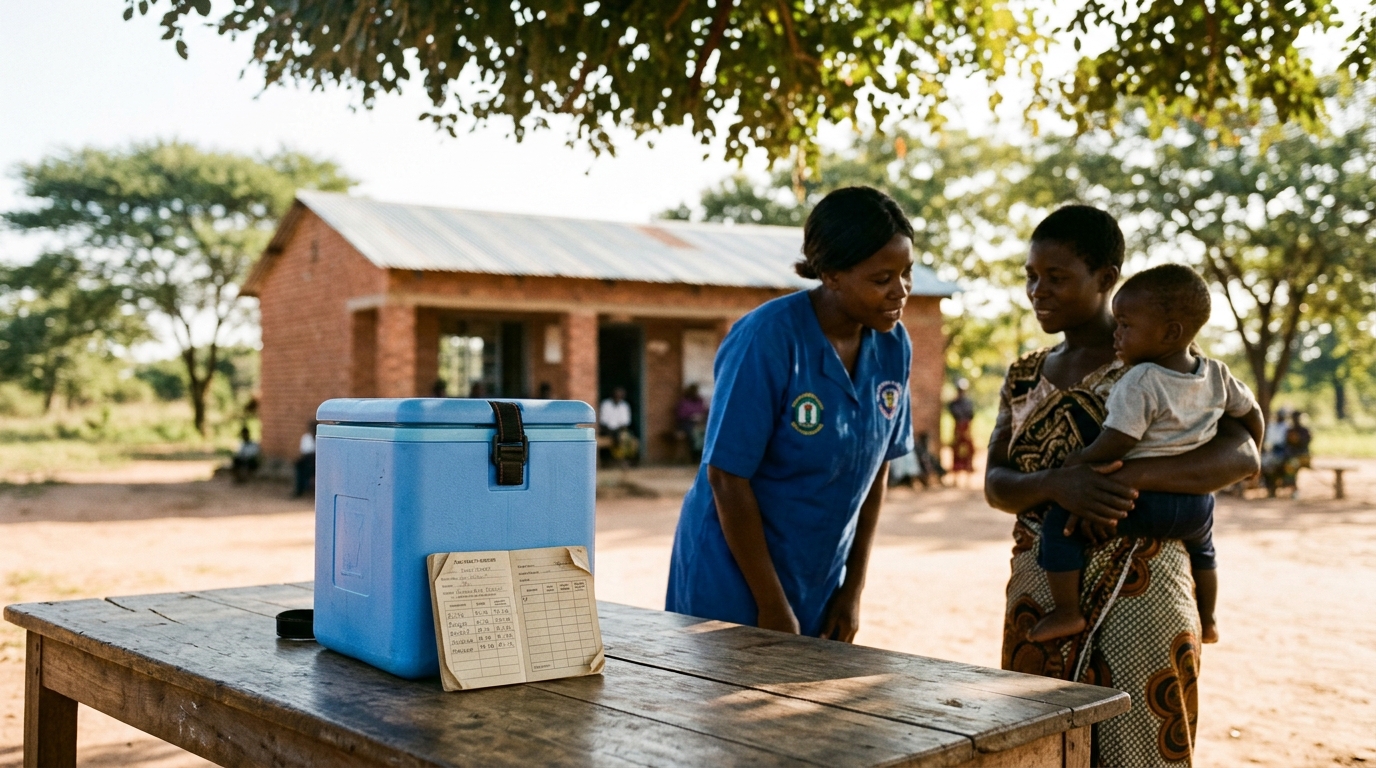
A cross-sectional analysis of data from the 2024 Zambia Demographic and Health Survey reveals that socioeconomic status and health system factors are strongly associated with zero-dose and under-immunization among children in Zambia. The researchers found that while national coverage has improved, significant gaps remain, with 3.2% of children classified as zero-dose and 36.1% under-immunized according to the basic vaccine schedule.
The investigation utilized a nationally representative sample collected through a stratified two-stage cluster sampling design. The primary outcomes measured were zero-dose status, defined as the absence of the first dose of the diphtheria-tetanus-pertussis-containing vaccine, and under-immunization, which includes children missing one or more vaccines in the recommended schedule. The study assessed under-immunization against both the basic schedule, comprising BCG, DTP1-3, OPV1-3, and measles-1, and the national expanded schedule, which adds PCV1-3 and rotavirus1-2 vaccines. Survey-weighted multivariable regression models were employed to identify factors associated with these outcomes.
Nationally, the prevalence of zero-dose children was estimated at 3.2%, with a 95% confidence interval ranging from 2.1% to 4.3%. Under-immunization by the basic schedule was more widespread, affecting 36.1% of the sampled children, with a 95% confidence interval of 33.0% to 39.2%. When evaluated against the national expanded schedule, the proportion of under-immunized children rose to 69.9%, with a 95% confidence interval of 67.0% to 72.8%. These figures highlight the distinction between children who have not started vaccination and those who have not completed the full recommended course.
Geographic disparities were pronounced across the country. Zero-dose prevalence varied tenfold among provinces, ranging from 0.6% in Lusaka to 6.9% in North Western Province. The study identified significant socioeconomic gradients in vaccination outcomes. Children from the richest households had 93% lower odds of being zero-dose compared to those in the poorest households, with an adjusted odds ratio of 0.07 and a 95% confidence interval of 0.02 to 0.29. Additionally, facility delivery was associated with a 68% reduction in the odds of zero-dose status, with an adjusted odds ratio of 0.32 and a 95% confidence interval of 0.15 to 0.69.
Possession of a vaccination card was also associated with reduced odds of under-immunization, with an adjusted odds ratio of 0.24 and a 95% confidence interval of 0.14 to 0.40.
The authors conclude that zero-dose and under-immunization in Zambia are profoundly patterned by socioeconomic and geographic factors. Reaching zero-dose children requires targeted interventions for the poorest households and those with home deliveries, particularly in North Western and Northern provinces. Improving vaccination card coverage may help reduce broader under-immunization. The study acknowledges that while gaps in national schedule coverage are consistent with supply-side constraints, direct measurement of these constraints was beyond the scope of this analysis. The findings underscore the need for structural health system responses to address the remaining barriers to full immunization.
This research contributes to the understanding of the factors associated with missed vaccination in the context of achieving Immunization Agenda 2030 targets.
Subject of Research: Socioeconomic and health system determinants of childhood under-immunization in Zambia
Article Title: Socioeconomic and health system determinants of zero-dose and under-immunization among children in Zambia: Evidence from the 2024 Demographic and Health Survey
Article References: Mwale, M., Chipimo, P. J., Phiri, A., Sakubita, P., Masumbu, P., Musonda, B., Mwela, C., Mwangilwa, K., Chipoya, M., Gardner, P. N., Mwansa, F. D., Gebregiorgis, A., Chika, M., Matanda, K., Masaninga, F., Sakala, J., & Lugala, P. C. (2026). Socioeconomic and health system determinants of zero-dose and under-immunization among children in Zambia: Evidence from the 2024 Demographic and Health Survey. PLOS Global Public Health, 6(10), e0006618. https://doi.org/10.1371/journal.pgph.0006618
Image Credits: AI Generated
DOI: 10.1371/journal.pgph.0006618
Keywords: childhood immunization, Zambia, zero-dose children, under-immunization, socioeconomic factors, public health, Demographic and Health Survey, vaccine coverage, Socioeconomic, health, system, determinants
News Source: Ophelia Keating. (November 8, 2026). Zambia Study Links Poverty to Child Under-Immunization. Scienmag.