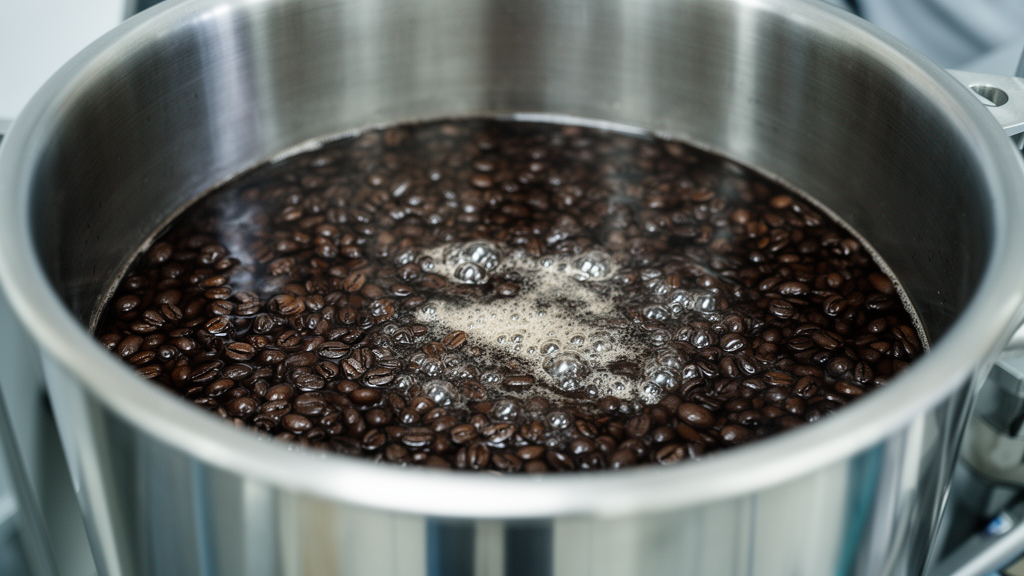
Researchers from Thailand have demonstrated that controlled submerged fermentation using specific yeast strains can elevate Northern Thai Arabica coffee from commercial grade to specialty grade. Published in the Journal of Agriculture and Food Research, the study evaluated the impact of inoculating coffee cherries with Saccharomyces cerevisiae and Pichia species on physicochemical properties, volatile compounds, and sensory quality. The findings suggest that strategic microbial intervention offers a viable pathway for standardizing high-quality coffee production in regions traditionally reliant on spontaneous fermentation.
The study focused on Arabica coffee cherries harvested from Doi Chang in Chiang Rai, Thailand, a region known for its diverse indigenous microbial ecosystems. The researchers isolated yeast strains from naturally fermenting coffee mucilage and characterized them using molecular identification techniques, specifically sequencing the D1/D2 domain of the 26S rRNA gene and the Internal Transcribed Spacer region. These strains were then applied in controlled submerged fermentation experiments to assess their potential as starter cultures for improving coffee consistency and flavor profile.
The experimental design involved three fermentation methods: inoculation with S. cerevisiae, inoculation with Pichia species, and a natural fermentation control without added microbes. All treatments were conducted at two temperatures, 15°C and 25°C, over fermentation periods of 24, 48, 72, and 96 hours. The coffee beans were subsequently dried, aged for three months, and roasted according to Specialty Coffee Association protocols before undergoing rigorous sensory evaluation by a panel of certified Q-graders and trained panelists.
During the fermentation process, the pH of the coffee mucilage underwent a sharp decline, dropping from an initial range of 5.10 to 5.50 to a stable range of 3.33 to 3.70 by 96 hours. This acidification was significantly influenced by the starter culture, temperature, and duration, with fermentation time exerting the primary main effect. The rapid drop in pH below 3.9 after 48 hours indicated a metabolic shift where lactic acid bacteria and yeasts worked in tandem, promoting a clean acidity profile by favoring non-volatile lactic acid over pungent acetic acid.
Microbial dynamics revealed distinct patterns depending on the yeast strain used. S. cerevisiae demonstrated superior fermentation vigor, supporting significantly higher mean bacterial loads and promoting the proliferation of lactic acid bacteria compared to Pichia species and the control. This yeast-lactobacillus partnership is considered a hallmark of high-quality washed processing, contributing to the refined, bright acidity valued in specialty coffee. In contrast, Pichia species exhibited a slower metabolic rate, which was associated with the degradation of organic acids and the biosynthesis of fruity volatile precursors.
Analysis of green coffee beans showed that the sugar composition was significantly influenced by fermentation parameters. Sucrose remained the dominant carbohydrate, but its levels decreased over time as it was hydrolyzed into fructose and glucose. S. cerevisiae exhibited aggressive sugar metabolism, with glucose becoming non-detectable after 48 hours, highlighting its efficient substrate uptake. This rapid consumption of simple sugars fueled ethanol production and the biosynthesis of fruity esters, effectively starving undesirable wild microbes and standardizing the chemical precursors necessary for final cup quality.
The volatile organic compound profiles of the green beans differed markedly between treatments. Pichia species emerged as a high-ester producer, achieving a peak ester relative abundance of 14.51% at 25°C after 96 hours, which contributed to floral and fruity notes. S. cerevisiae, conversely, drove the accumulation of organic acids, reaching levels of up to 25.56%, reflecting its high glycolytic flux. Temperature also played a critical role, with 15°C preserving volatile furans by mitigating evaporation, while 25°C accelerated the synthesis of organic acids and the emergence of terpenes.
Roasting transformed these microbially primed green beans into a complex aromatic profile comprising 77 compounds across 14 chemical groups. The roasted coffee was dominated by heterocyclic compounds, specifically furans and pyrazines, which are essential for nutty, toasted, and caramel-like attributes. Pichia species inoculation created a resilient aromatic base capable of surviving thermal stress, enhancing floral and fruity esters. S. cerevisiae promoted the accumulation of nitrogenous and sulfurous precursors, significantly boosting pyrazines, pyrroles, and high-impact thiols essential for sophisticated roasted notes.
The sensory evaluation confirmed that yeast starter selection and fermentation duration were the primary drivers for transitioning the coffee to specialty grade, defined as scoring 80 points or higher on the SCA scale. The uninoculated control and most 24-hour treatments remained in the commercial category, limited by descriptors such as bitterness and astringency. However, S. cerevisiae at 15°C yielded the highest scores, reaching 81.50 points at 96 hours, characterized by sophisticated notes of apricot, honey, and cinnamon. Pichia species also achieved specialty status, with a score of 80.50 points at 96 hours at 25°C, offering tropical and savory flavor profiles.
The study concludes that a 96-hour submerged fermentation at 15°C using S. cerevisiae represents an optimal processing regime for maximizing sensory quality. This approach prevents overfermentation and allows for the stable accumulation of volatile compounds, resulting in a peak sensory score of 81.50. The robust growth of S. cerevisiae outcompeted wild microflora and stimulated lactic acid bacteria, driving controlled mucilage acidification and total glucose exhaustion.
These findings provide an evidence-based framework for coffee producers in Northern Thailand to leverage local microbial biodiversity. By moving beyond spontaneous fermentation to controlled microbial intervention, producers can enhance flavor consistency and elevate the global market value of their Arabica coffee. The research highlights the importance of co-optimizing strain choice with temperature control to engineer distinct flavor precursor pools prior to roasting.
The study underscores the critical role of postharvest processing in determining the final quality of specialty coffee. By understanding the metabolic interactions between specific yeast strains and environmental conditions, the research offers practical insights for improving the physicochemical and sensory attributes of coffee. This systematic approach to fermentation management can help standardize quality and reduce the variability associated with traditional processing methods.
The ability to modulate cupping profiles through targeted yeast inoculation offers a promising strategy for enhancing the sensory complexity of Arabica coffee.
The experimental protocol included a 12-hour cold stabilization period at 5°C following harvest and floatation, a step designed to remove impurities and low-density fruit before de-pulping. After fermentation, the parchment was washed and transferred to a controlled environment drying room for 10 to 13 days until reaching a stable moisture content of 9 to 10 percent. A subsequent three-month aging period was implemented to stabilize chemical precursors before the parchment was dehulled and defects were sorted. This extended timeline ensures that the chemical matrix of the bean is fully equilibrated before roasting, which is critical for consistent sensory outcomes. The roasting process followed the Specialty Coffee Association cupping protocol, using a 2 kg coffee roaster to achieve a light-medium roast level with an Agtron score of 63 ± 2. Ground coffee was prepared no more than 15 minutes before cupping to ensure freshness, and each sample was evaluated in five cups using 8.25 grams of coffee brewed with 150 milliliters of hot water at 93°C. The sensory panel consisted of five cuppers, including three certified Q-graders and two trained panelists, who assessed attributes such as fragrance, flavor, acidity, body, balance, aftertaste, sweetness, uniformity, and clean cup. The sensory evaluation protocol was approved by the Mae Fah Luang Ethics Committee on Human Research, ensuring adherence to ethical standards in human subject research.
Scanning electron microscopy analysis revealed significant microstructural evolution in the green coffee beans during fermentation. While 24-hour cross-section samples displayed compact, organized parenchymatous cells, significant structural disruption and increased porosity were observed between 48 and 72 hours. This effect was most pronounced in inoculated treatments, where exogenous pectinases and hemicelluloses accelerated the breakdown of cell wall polysaccharides. By 96 hours at 25°C, the beans exhibited extensive structural collapse and enlarged pores. This increased porosity is functionally significant as it likely enhances mass transfer during the final fermentation stages and alters heat transfer coefficients during roasting, directly influencing final flavor development. The physical properties of the green beans were significantly modulated by the interaction of fermentation temperature and yeast inoculation. Following the three-month aging period, the moisture content stabilized at 7.34 to 9.21 percent, a range reflecting hygroscopic equilibration and physiological respiration during extended storage. Colorimetric analysis revealed a temperature-dependent optical divergence, with fermentation at 15°C reducing lightness while 25°C conditions increased surface whiteness. These shifts indicated that higher temperatures accelerated the degradation of surface pigments and the leaching of metabolic precursors into the bean structure.
The volatile organic compound profile of the green beans consisted of 25 foundational compounds across 10 chemical groups, primarily dominated by aldehydes, alcohols, and furans. High levels of aliphatic aldehydes, such as butanal and decanal, indicate active lipid metabolism, providing the carbon skeletons necessary for aromatic complexity during thermal treatment. Specific metabolic markers, including acetic acid and 2-methyl-1-propanol, serve as indicators for yeast-driven carbohydrate fermentation and amino acid degradation via the Ehrlich pathway. The accumulation of 2-furanmethanol acetate during extended submerged fermentation initiated the pre-roasting synthesis of sweet-aroma precursors. In the roasted beans, the profile expanded to 77 compounds across 14 chemical groups, dominated by heterocyclic compounds such as furans and pyrazines. Key indicators like 3-furanmethanol and furfural result from sucrose degradation, contributing to the bready sweetness often characteristic of high-altitude Asian Arabica. The formation of buttery ketones, such as 2,3-pentanedione, is directly linked to the aggressive degradation of sucrose and carbohydrate precursors, a metabolic pathway essential for the sweet-caramel balance in high-altitude Arabica. The presence of pyrazoles and pyrazines in inoculated samples reinforces the theory that controlled fermentation increases the availability of free amino acids through proteolysis, which then cyclizes into stable nitrogenous rings during roasting.
The study highlights the importance of microbial succession in determining the final quality of the coffee. Early research identified a shift from Gram-negative bacteria and lactic acid bacteria to a late-stage prevalence of yeasts and fungi. Pectinolytic strains like Saccharomyces, Pichia, and Bacillus are vital for clean processing, and extended spontaneous fermentation increases the risk of spoilage and mycotoxin contamination. Therefore, recent research has shifted toward controlled biotechnological approaches to mitigate these risks. The use of indigenous yeasts from renowned regions like Doi Chang offers a promising strategy to improve consistency while preserving regional terroir and identity. By harnessing local microbial biodiversity, producers can move beyond spontaneous fermentation to standardize quality and reduce variability. This approach not only enhances the sensory profile but also provides a framework for leveraging local resources to improve the global market value of Arabica coffee. The systematic optimization of fermentation parameters, including strain choice, temperature, and duration, allows for the engineering of distinct flavor precursor pools prior to roasting, ensuring a more predictable and high-quality final product.
Subject of Research: Modulation of Thai arabica coffee cupping profiles using Saccharomyces cerevisiae and Pichia spp . Fermentation
Article Title: Modulation of Thai arabica coffee cupping profiles using Saccharomyces cerevisiae and Pichia spp . Fermentation
Article References: Aung Moon, S., Mathupo, N., Owatworakit, A., Khongphinitbunjong, K., Wongsakul, S., & Saengrayap, R. (2026). Modulation of Thai arabica coffee cupping profiles using Saccharomyces cerevisiae and Pichia spp. Fermentation. Journal of Agriculture and Food Research, 32, Article 103414. https://doi.org/10.1016/j.jafr.2026.103414
Image Credits: AI Generated
DOI: 10.1016/j.jafr.2026.103414
Keywords: Modulation, Thai, arabica, coffee, cupping, profiles, Saccharomyces, cerevisiae, Pichia, Fermentation, scientific research
News Source: Alan Morgan. (November 7, 2026). Yeast Fermentation Elevates Thai Arabica Coffee to Specialty Grade. Scienmag.