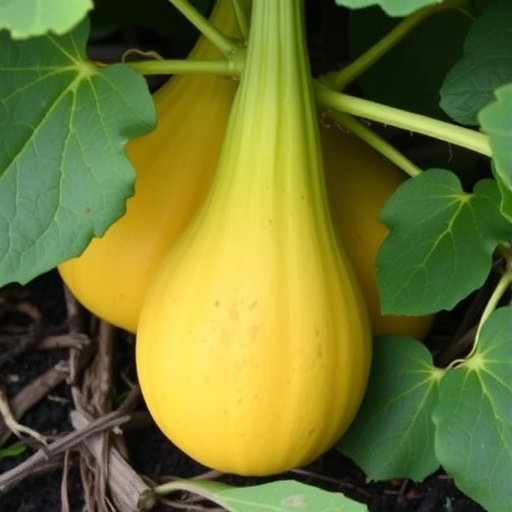
In the latest groundbreaking research published in BMC Genomics, scientists have conducted a comprehensive genome-wide analysis of the WRKY gene family in the important agricultural crop, Cucurbita moschata, commonly known as butternut squash. This study by Guo, Liu, and Wang adds to the growing body of literature focused on understanding the genetic frameworks that underpin crop resilience against various diseases, particularly powdery mildew, a fungal pathogen known for its devastating impacts on plant health and productivity.
The WRKY gene family is a significant player in plant defense mechanisms. Characterized by the presence of a conserved WRKY domain, these proteins are involved in regulating a myriad of plant responses to biotic and abiotic stresses. The team meticulously profiled the WRKY gene family in C. moschata, identifying several key members that not only exhibited differential expression patterns but also provided crucial insights into their functional roles in plant immunity.
Among the WRKY genes examined, CmWRKY22, CmWRKY63, and CmWRKY84 emerged as critical factors contributing to the plant’s resistance against powdery mildew. The researchers employed a series of in-vitro and in-vivo assays to evaluate the expression levels of these WRKY genes during pathogen infection, shedding light on their active participation in the defense response mechanism of C. moschata. This aspect of the study underscores the relevance of molecular genetics in the development of resistant crop varieties through biotechnological and breeding strategies.
The methodology utilized in this study is worth noting. The researchers employed advanced bioinformatics tools to dissect the genetic sequences and expressions of the identified WRKY genes. By leveraging genome sequencing data and transcriptomic analyses, they were able to establish comprehensive expression databases that illuminate the regulatory networks governing these genes. Such methodological rigor showcases the evolving landscape of genomic research where computational biology plays an instrumental role in traditional plant sciences.
In recent years, interest in plant immunology has surged, akin to the global focus on combatting agricultural threats posed by pathogens. The findings regarding CmWRKY22, CmWRKY63, and CmWRKY84 not only contribute to our understanding of C. moschata’s defense mechanisms but also pose larger implications for addressing the challenges of crop failure and food security. With the world facing increasing agricultural challenges due to climate change and growing populations, the identification of genetically mediated disease resistance offers hope for sustainable solutions in crop management.
Dr. Guo’s analysis encapsulates the interactions between various signaling pathways involved in plant immunity, illustrating how WRKY transcription factors can influence downstream effector genes. The study contributes a fine-grained understanding of how these genes work in concert to mount a defense against pathogens, representing a paradigm shift in how we consider resistance traits in crops. The focus on C. moschata is particularly pertinent given its economic importance in numerous cultures worldwide and the pressing need for sustainable agriculture.
Moreover, this research opens avenues for further investigations into the role of gene editing technologies, such as CRISPR/Cas9, in the expedited development of disease-resistant varieties of C. moschata. By precisely targeting the identified WRKY genes, researchers envision the possibility of enhancing the plant’s inherent resistance without resorting to chemical pesticides, thereby promoting a greener approach to agriculture. This aligns well with global trends advocating for reduced chemical applications in farming, which are aimed at minimizing environmental impacts.
The implications of this study extend beyond domestic applications; they resonate with international agricultural policies aimed at promoting food security and sustainability. By elucidating the genetic foundations of disease resistance, this research provides essential data that policymakers and agricultural stakeholders can leverage to develop comprehensive strategies for boosting crop yields in a climate-affected world.
Furthermore, the data generated throughout this study add to a growing database of plant genomic information. Such repositories serve as invaluable resources for researchers aiming to implement cross-crop analyses, drawing connections between different species and the evolutionary adaptations that confer disease resistance. The significance of exchanging genomic data across species cannot be understated, as it highlights the interconnectedness of plant biology and contributes to broader agricultural knowledge.
As the world faces unprecedented challenges, including food insecurity and pandemic threats, research like this serves as a beacon of hope. By marrying advances in genetic research with practical agricultural applications, scientists like Guo, Liu, and Wang are paving the way for future innovations that can empower farmers and enhance food production systems. Their meticulous work underscores the importance of a multidisciplinary approach in addressing some of humanity’s most pressing challenges in the agricultural sector.
In addition to the technical advancements introduced through this study, there is a narrative about community engagement and the importance of involving farmers in ongoing research. As genetic advancements reach their potential through application in real-world farming practices, it’s imperative that the scientific community works collaboratively with local agriculturalists. Their on-the-ground insights often illuminate the challenges and successes of implementing new genetic technologies. Such partnerships will ensure that the technological advancements produced through research translate effectively into improved agricultural practices.
As this study gains traction, the scientific community and agricultural stakeholders are encouraged to delve into the data and findings, exploring their implications across global scenarios. Collaborative efforts, drawing from genetic, ecological, and agricultural science disciplines, can further enhance our understanding of gene functions and their potential applications. The ongoing exploration of plant genetics will unmistakably remain pivotal in the fight against crop diseases and in securing the future of agricultural biodiversity.
This research by Guo and colleagues heralds a new era in understanding plant resilience and reflects the urgent need for innovations that can bolster food security while safeguarding agricultural sustainability. As these findings reverberate throughout the scientific community, they serve as both a call to action and an invitation for continued exploration into the genetic frontiers of plant science.
The journey of genetically enhancing crop resistance is ongoing, and studies like this one are instrumental in providing the foundational knowledge necessary for future advancements. The advancements realized through the analysis of the WRKY gene family within C. moschata not only address pressing challenges today but pave the way for revolutionary changes in agriculture that may help sustain future generations.
As we look forward, fostering a deepened understanding of the genetic architectures inherent in plant species will be essential for the development of resilient crops that withstand the pressures of disease and environmental change, ensuring that our global food supply remains secure and sustainable for years to come.
Subject of Research: WRKY gene family in Cucurbita moschata
Article Title: Genome-wide analysis of WRKY gene family in Cucurbita moschata and involvement of CmWRKY22/63/84 in powdery mildew resistance.
Article References: Guo, WL., Liu, WJ., Wang, ZX. et al. Genome-wide analysis of WRKY gene family in Cucurbita moschata and involvement of CmWRKY22/63/84 in powdery mildew resistance. BMC Genomics 27, 23 (2026). https://doi.org/10.1186/s12864-025-12310-5
Image Credits: AI Generated
DOI: https://doi.org/10.1186/s12864-025-12310-5
Keywords: WRKY gene family, Cucurbita moschata, powdery mildew, plant resistance, genomics, agriculture, food security, sustainable farming.
Tags: biotic and abiotic stress responses in plantsbutternut squash disease resistanceCucurbita moschata geneticsdifferential gene expression in plantsfungal pathogen resistance in agriculturegenome-wide analysis of WRKY genesmolecular biology of plant defense systemsplant defense mechanisms against pathogensplant immunity genespowdery mildew resistance mechanismsrole of CmWRKY genes in plant healthWRKY gene family in Cucurbita moschata