


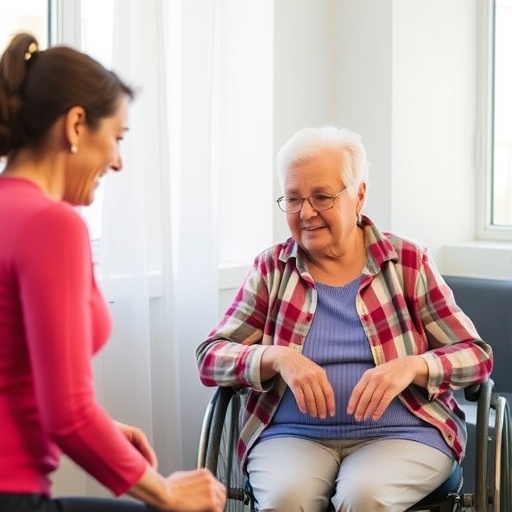
In a groundbreaking study published in BMC Geriatrics, researchers delved deep into the complex interplay of gender, age, and functional disability among older adults. The research, conducted by a team led by scholars such as Tan, L.F., Jin, A., and Ying, A., sheds light on striking statistics that reveal a concerning trend: women experience higher levels of functional disability compared to men as they age. This investigation was a part of the extensive Singapore Chinese Health Study, recognized for its comprehensive data on health outcomes in an aging population.
What sets this study apart is its meticulous methodology, employing a diverse sample to explore the underlying factors contributing to the disparity in functional ability between older men and women. Through a combination of surveys, physical assessments, and health evaluations, the researchers gathered a wide array of data that enables them to paint a vivid picture of the challenges faced by older women. The implications of these findings are profound, potentially informing interventions aimed at improving health outcomes for aging women.
Not only does the study highlight the higher rates of disability among older women, but it also explores the potential reasons behind this gap. One crucial factor identified is the role of biological differences. Women generally live longer than men, but with this longevity often comes an increased risk of chronic diseases, which can lead to a decline in functional ability. Conditions such as arthritis, osteoporosis, and cardiovascular diseases are notorious for impacting mobility and overall functioning, making the consequences of aging more pronounced for women.
Moreover, the research highlights the psychosocial elements that may exacerbate these disparities. Social support, access to healthcare, and engagement in physical activities are all critical factors that can influence the functional status of older adults. Women, who often shoulder greater caregiving responsibilities, may find themselves prioritizing the needs of others over their own health. This self-neglect is a significant contributor to the increasing functional disabilities observed in the female demographic.
Another key aspect of the study is its examination of the environment in which older adults live. The built environment has a crucial impact on health outcomes, particularly for those with mobility limitations. For instance, neighborhoods that lack wheelchair access, public transport options, and recreational spaces can severely hinder the ability of women to maintain their physical activity levels. The research underscores the urgent need for policy changes that promote age-friendly environments, ensuring that older citizens can lead fulfilling lives regardless of their physical limitations.
Additionally, the study discusses the role of mental health in functional disability. Psychological conditions such as depression and anxiety, which are more prevalent among older women than men, can significantly impede physical abilities. The research suggests that addressing mental health is equally essential as managing physical health conditions. Integration of mental health services within the care framework for older adults could mitigate the impact of psychological barriers on functional disability.
As the authors delve into the social determinants of health, they advocate for a more nuanced understanding of how gender influences health outcomes. Societal stereotypes and norms often position women as caregivers, which can limit their access to healthcare and support systems. Addressing these cultural dynamics is crucial in tailoring interventions that empower older women to prioritize their health needs.
Furthermore, the study emphasizes the importance of education and awareness surrounding health management. Education on lifestyle choices, nutrition, and preventive health measures must be disseminated to older women to enhance their understanding and control over their health. Online platforms and community programs could play a pivotal role in reaching this demographic, fostering a culture of shared knowledge and support.
In terms of healthcare systems, the findings from this research could stimulate advancements in geriatric care. Medical professionals must be trained to recognize and address the unique needs of older women, incorporating gender-sensitive approaches to treatment and care plans. There’s a growing call for healthcare systems to develop protocols that facilitate early detection and intervention of disabilities among aging women.
The study’s findings echo a larger global concern regarding aging populations and their healthcare needs. With the number of older adults rising dramatically, understanding the specific challenges faced by different demographics becomes imperative. The insights gained from the Singapore Chinese Health Study could be instrumental in shaping future research and policy decisions globally.
Ultimately, this study serves as a clarion call to re-evaluate how society perceives aging and disability through a gendered lens. Highlighting the discrepancies in health outcomes between older men and women is not merely an academic exercise; it’s a vital initiative aimed at fostering equitable health solutions. If we are to ensure that all aging individuals live with dignity, it is incumbent upon us to address the root causes of functional disparities head-on.
Through targeted interventions, enhanced healthcare protocols, and community education, we can strive towards a future where all older adults, regardless of gender, experience better health and improved quality of life, even as they navigate the complexities of aging.
Subject of Research: Gender Differences in Functional Disability Among Older Adults
Article Title: Explaining higher functional disability in women compared to men among older adults – the Singapore Chinese Health Study
Article References:
Tan, L.F., Jin, A., Ying, A. et al. Explaining higher functional disability in women compared to men among older adults – the Singapore Chinese Health Study.
BMC Geriatr 25, 964 (2025). https://doi.org/10.1186/s12877-025-06595-0
Image Credits: AI Generated
DOI: https://doi.org/10.1186/s12877-025-06595-0
Keywords: Functional Disability, Aging, Gender Differences, Older Adults, Health Study
Tags: aging and disability trendsaging population health researchchronic health conditions in elderly womendisability statistics in older adultsfactors influencing functional abilityfunctional assessments in geriatric researchgender and health disparitiesgender differences in aginghealth outcomes in elderlyinterventions for elderly womenolder women functional disabilitySingapore Chinese Health Study



