• HOME
  • NEWS
  • EXPLORE
    • CAREER
      • Companies
      • Jobs
    • EVENTS
    • iGEM
      • News
      • Team
    • PHOTOS
    • VIDEO
    • WIKI
  • BLOG
  • COMMUNITY
    • FACEBOOK
    • INSTAGRAM
    • TWITTER
Thursday, January 15, 2026
BIOENGINEER.ORG
No Result
View All Result
  • Login
  • HOME
  • NEWS
  • EXPLORE
    • CAREER
      • Companies
      • Jobs
        • Lecturer
        • PhD Studentship
        • Postdoc
        • Research Assistant
    • EVENTS
    • iGEM
      • News
      • Team
    • PHOTOS
    • VIDEO
    • WIKI
  • BLOG
  • COMMUNITY
    • FACEBOOK
    • INSTAGRAM
    • TWITTER
  • HOME
  • NEWS
  • EXPLORE
    • CAREER
      • Companies
      • Jobs
        • Lecturer
        • PhD Studentship
        • Postdoc
        • Research Assistant
    • EVENTS
    • iGEM
      • News
      • Team
    • PHOTOS
    • VIDEO
    • WIKI
  • BLOG
  • COMMUNITY
    • FACEBOOK
    • INSTAGRAM
    • TWITTER
No Result
View All Result
Bioengineer.org
No Result
View All Result
Home NEWS Science News Biology

White lupin: The genome of this legume has finally been sequenced

Bioengineer by Bioengineer
January 27, 2020
in Biology
Reading Time: 1 min read
0
IMAGE
Share on FacebookShare on TwitterShare on LinkedinShare on RedditShare on Telegram

IMAGE

Credit: Benjamin Peret/CNRS


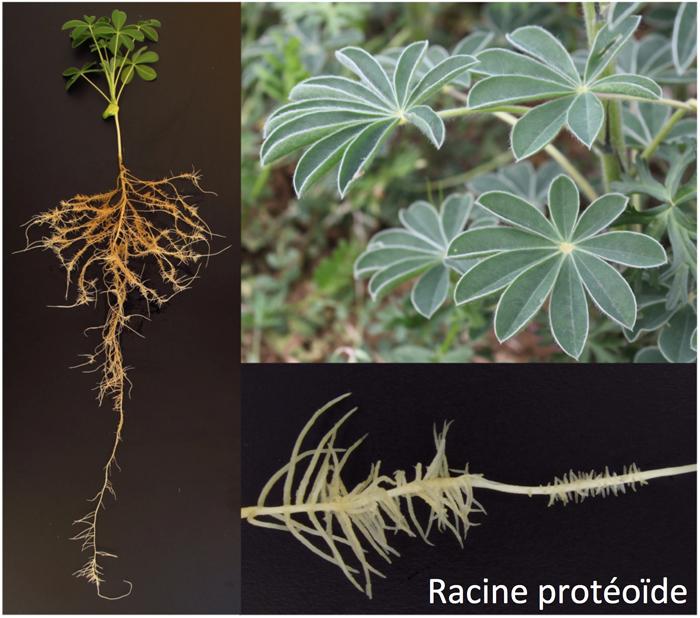
White lupin is a particularly abstemious crop, requiring very little fertiliser and producing high-protein seeds of great nutritive quality. The plant has just yielded the secrets of its genome thanks to the collaboration of eleven French and foreign laboratories coordinated by Benjamin Péret, a CNRS researcher at the Biochimie et physiologie moléculaire des plantes laboratory (CNRS/Inrae/Université de Montpellier/Montpellier SupAgro). Lupin has the distinctive feature of possessing “proteoid” or cluster roots, which enable it to solubilise phosphate and extract it efficiently. However, similar to petroleum, stocks of this vital component are limited and currently being depleted. Knowing the plant’s genome could accelerate programmes for lupin selection and help make this legume a major asset in future plant-based protein production. The results of this project financed by an ERC Starting Grant were published on 24 January 2020 in the journal Nature Communications.

###

Media Contact
Francois Maginiot
[email protected]
33-144-964-309

Original Source

http://www.cnrs.fr/en/node/4404

Tags: AgricultureBiologyGenetics
Share12Tweet8Share2ShareShareShare2

Related Posts

blank

Genomic Islands Propel ST-131 E. coli Resistance Evolution

January 15, 2026
blank

Histological Changes During Fish Sex Change Unveiled

January 15, 2026

Cold Stress: RNA Expression and Regulatory Network Insights in Pigs

January 15, 2026

Sporobolus ioclados: Survival Strategies in Desert Ecosystems

January 15, 2026
Please login to join discussion

POPULAR NEWS

  • Enhancing Spiritual Care Education in Nursing Programs

    155 shares
    Share 62 Tweet 39
  • PTSD, Depression, Anxiety in Childhood Cancer Survivors, Parents

    147 shares
    Share 59 Tweet 37
  • Robotic Ureteral Reconstruction: A Novel Approach

    75 shares
    Share 30 Tweet 19
  • Study Reveals Lipid Accumulation in ME/CFS Cells

    53 shares
    Share 21 Tweet 13

About

We bring you the latest biotechnology news from best research centers and universities around the world. Check our website.

Follow us

Recent News

Thermostats and Human Behavior in US Home Temperatures

Impact of Nurse-Led CBT on Adult Insomnia

Crowd-Sensed Plants Reveal Urbanization’s Climate Impact

Subscribe to Blog via Email

Enter your email address to subscribe to this blog and receive notifications of new posts by email.

Join 71 other subscribers
  • Contact Us

Bioengineer.org © Copyright 2023 All Rights Reserved.

Welcome Back!

Login to your account below

Forgotten Password?

Retrieve your password

Please enter your username or email address to reset your password.

Log In
No Result
View All Result
  • Homepages
    • Home Page 1
    • Home Page 2
  • News
  • National
  • Business
  • Health
  • Lifestyle
  • Science

Bioengineer.org © Copyright 2023 All Rights Reserved.