Credit: Michael Moody
Thanks to electronic health records and online portals, more and more patients are being given access to the notes their clinicians write about their health care visits. Research suggests this national movement, known as "OpenNotes," can empower patients and boost communication and shared decision-making. But what about mental health visits? Experts have been unsure whether this area is equally likely to benefit.
Now, a small study from one Veterans Affairs medical center offers insight into the potential for OpenNotes to help — or hurt — patients' trust in their mental health clinicians.
"We found that reading mental health notes may strengthen as well as strain patient-clinician relationships by enhancing or undermining trust," wrote the authors in a report posted online Feb. 1, 2017, in Psychiatric Services.
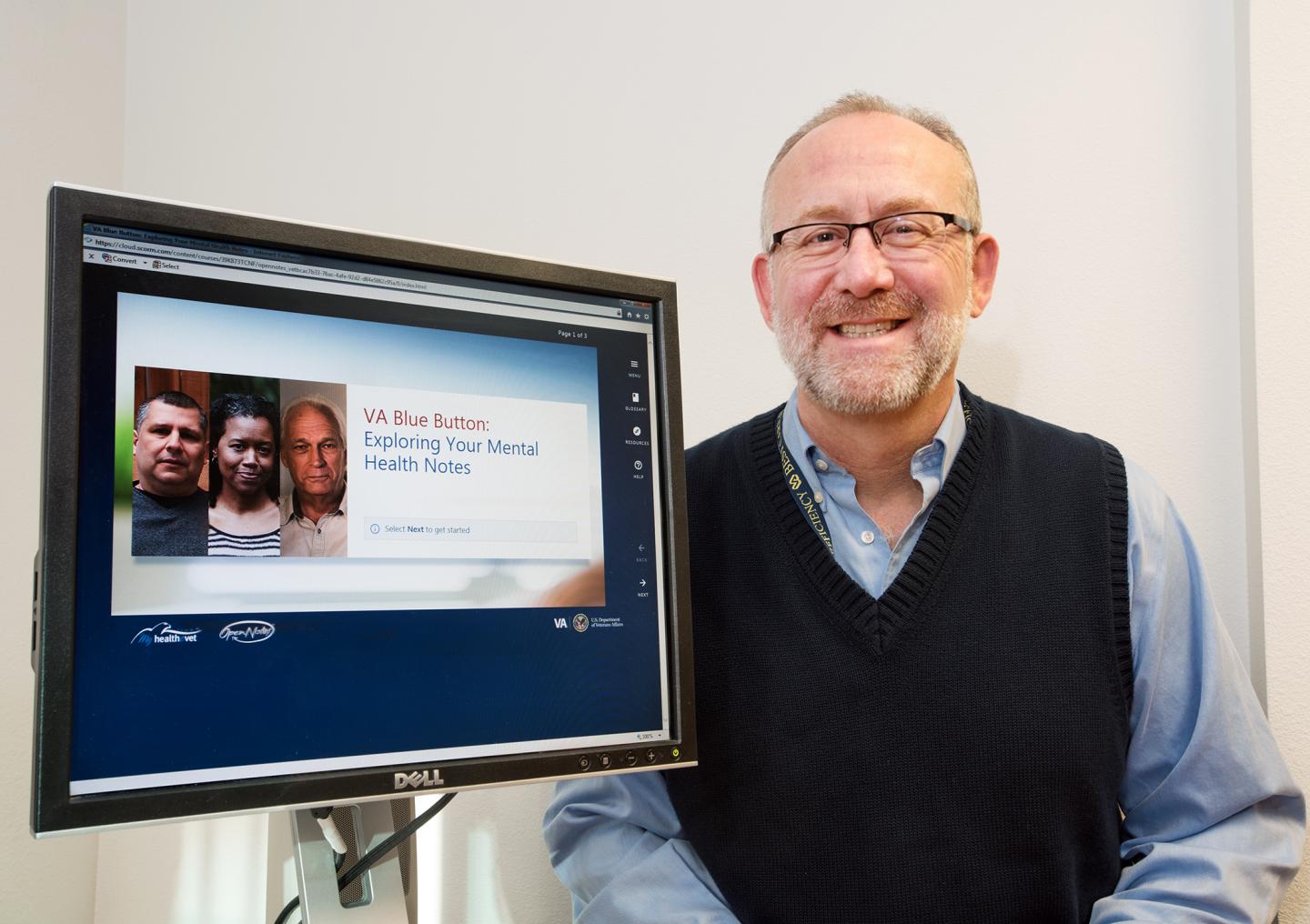
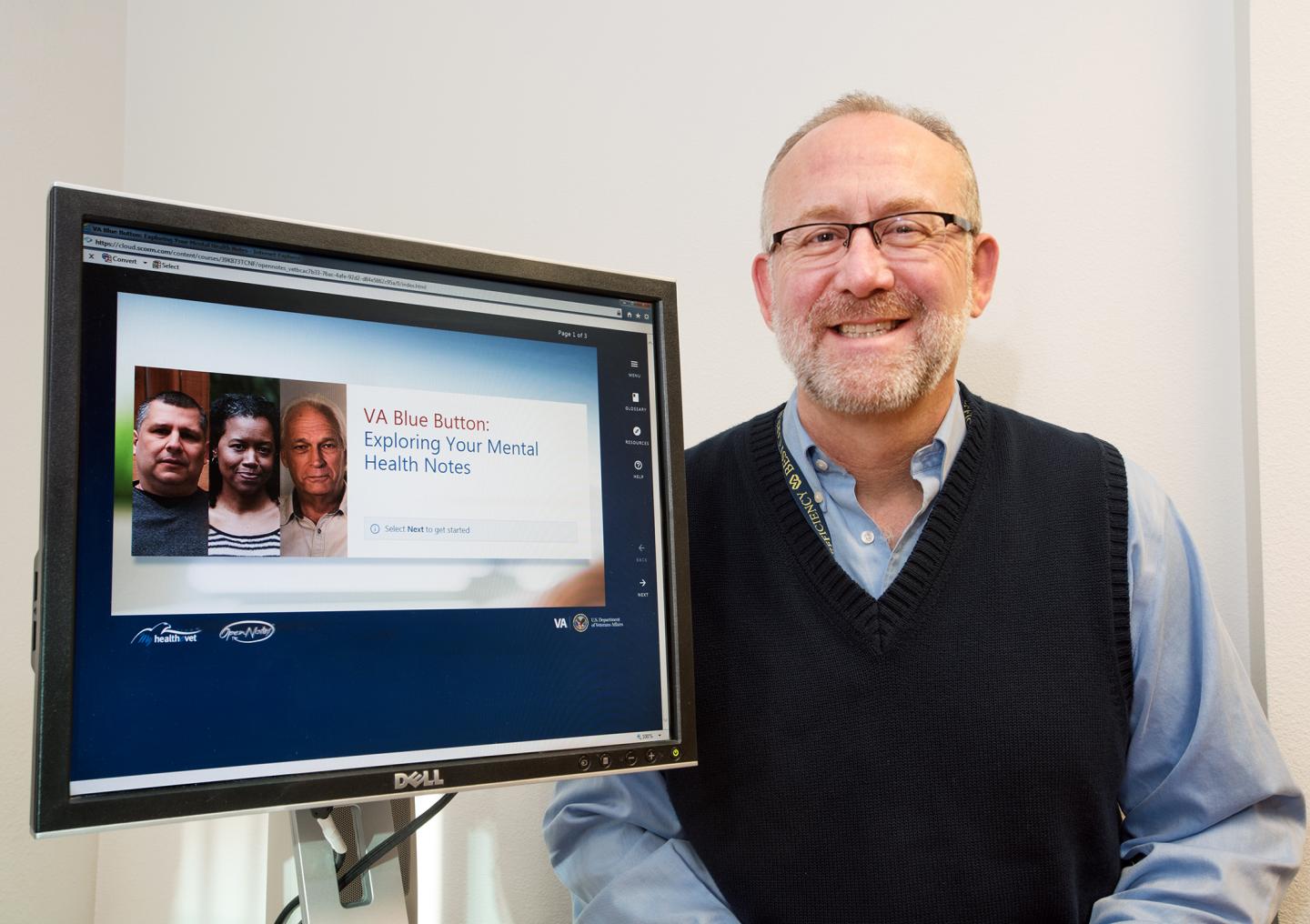
The study was led by a group from the Center to Improve Veteran Involvement in Care (CIVIC), at the VA Portland Health Care System in Oregon. VA has been studying the benefits and risks of OpenNotes and other pilot features in VA's MyHealtheVet patient portal. VA became one of the first health systems in the nation to offer OpenNotes access, in 2013. Patients access their notes through the Blue Button feature in MyHealtheVet.
The new study involved interviews with 28 patients. The group included male and female veterans of various ages, with diagnoses ranging from depression and PTSD to bipolar disorder and schizophrenia. Patients in the study were being treated by psychiatrists, psychologists, and other mental health therapists.
Among the positive themes that emerged in the interviews:
- Patients appreciated seeing consistency between what had occurred during their appointments and what they later viewed in the clinical notes. Such transparency was important in fostering trust. They liked it, for example, when their clinicians had openly and directly discussed a diagnosis with them before documenting it in the record.
- They felt respected, and reported greater trust, when the notes showed evidence that their clinicians had truly listened to and understood their personal stories, and had taken note of their individual strengths. One patient said he felt he was "not just a repeat from the last PTSD person [the clinician] talked to, but an individual with PTSD."
In contrast, there were several elements that provoked dismay among the patients in the study:
- They disliked incongruity between what happened in their sessions and what was stated in the notes. They objected to gaps in information, incorrect details, and outdated material that had been copied and pasted in. Some worried that such errors could negatively affect their care from other providers.
- Many patients said they were upset to see diagnoses that hadn't been discussed with them. This significantly eroded their trust.
With the understanding that the OpenNotes initiative is likely to continue to grow, both in VA and other settings, the study team, including lead author Dr. Risa Cromer and senior author and CIVIC Director Dr. Steven Dobscha, offer several recommendations for mental health clinicians. Summing up, they write:
"Proactive clinician communication with patients about the content of notes and the note-writing process, as well as documenting strengths and highlighting the individuality of patients, may improve the likelihood of maintaining or developing stronger therapeutic alliances between patients and clinicians in the context of OpenNotes."
Dobscha noted in an interview that his team has also developed, and is now evaluating, "web-based courses for both clinicians and Veterans to help them optimize use of OpenNotes in mental health care and minimize any unintended consequences."
###
Media Contact
Daniel E. Herrigstad
[email protected]
503-402-2975
http://www.va.gov/