• HOME
  • NEWS
  • EXPLORE
    • CAREER
      • Companies
      • Jobs
    • EVENTS
    • iGEM
      • News
      • Team
    • PHOTOS
    • VIDEO
    • WIKI
  • BLOG
  • COMMUNITY
    • FACEBOOK
    • INSTAGRAM
    • TWITTER
Saturday, February 7, 2026
BIOENGINEER.ORG
No Result
View All Result
  • Login
  • HOME
  • NEWS
  • EXPLORE
    • CAREER
      • Companies
      • Jobs
        • Lecturer
        • PhD Studentship
        • Postdoc
        • Research Assistant
    • EVENTS
    • iGEM
      • News
      • Team
    • PHOTOS
    • VIDEO
    • WIKI
  • BLOG
  • COMMUNITY
    • FACEBOOK
    • INSTAGRAM
    • TWITTER
  • HOME
  • NEWS
  • EXPLORE
    • CAREER
      • Companies
      • Jobs
        • Lecturer
        • PhD Studentship
        • Postdoc
        • Research Assistant
    • EVENTS
    • iGEM
      • News
      • Team
    • PHOTOS
    • VIDEO
    • WIKI
  • BLOG
  • COMMUNITY
    • FACEBOOK
    • INSTAGRAM
    • TWITTER
No Result
View All Result
Bioengineer.org
No Result
View All Result
Home NEWS Science News Health

VUMC’s ‘Shed-MEDS’ protocol can reduce risk of drug interactions in older people

Bioengineer by Bioengineer
February 6, 2023
in Health
Reading Time: 2 mins read
0
Dr. Eduard Vasilevskis
Share on FacebookShare on TwitterShare on LinkedinShare on RedditShare on Telegram

An estimated one in six older adults in the United States who take multiple prescription drugs risk major drug-drug interactions and other adverse drug effects that can worsen their medical conditions, increase the likelihood of cognitive impairment and falls, and lead to hospitalization or death.
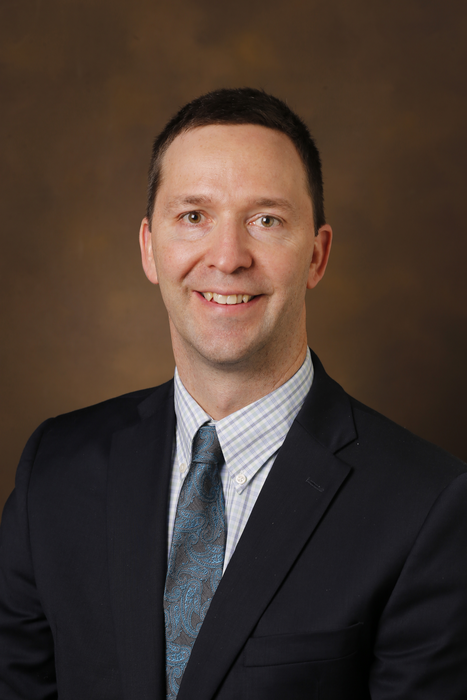
Dr. Eduard Vasilevskis

Credit: Vanderbilt University Medical Center

An estimated one in six older adults in the United States who take multiple prescription drugs risk major drug-drug interactions and other adverse drug effects that can worsen their medical conditions, increase the likelihood of cognitive impairment and falls, and lead to hospitalization or death.


Deprescribing is a systematic effort to identify, reduce the dose or stop unnecessary or potentially inappropriate medications in a manner that is safe and effective. One approach is Sheds-MEDS, a hospital-based, pharmacist- or nurse practitioner-led, and patient-centered deprescribing protocol developed at Vanderbilt University Medical Center.


Reporting Feb. 6 in the journal JAMA Internal Medicine, Eduard Vasilevskis, MD, MPH, and colleagues found that implementing the Shed-MEDS protocol in the hospital prior to discharge to a post-acute care facility, such as a nursing/rehabilitation center, significantly reduced the number of medications patients received.


While the rates of adverse drug events were similar between patients randomly selected to receive the deprescribing intervention and a control group that did not, the reduced medication burden persisted for at least 90 days, and “the intervention additionally reduced exposure to potentially inappropriate medications,” the researchers reported.


“This study demonstrates that the hospital may be a safe and effective health care setting to help address the epidemic of polypharmacy often seen in older hospitalized adults,” said Vasilevskis, associate professor of Medicine and chief of the Section of Hospital Medicine.


“Furthermore, post-acute care settings, such as skilled nursing facilities, may be valuable partners to continue safe deprescribing practices,” he said.


Further research is necessary to determine the impact of deprescribing on long-term clinical outcomes, the researchers added.


Coauthors included the study’s co-principal investigator, Sandra Simmons, PhD, professor of Medicine and Psychology and the Paul V. Hamilton, MD Chair in Geriatrics, and Amanda Mixon, MD, MPH, associate professor of Medicine and Biomedical Informatics.


Mixon and Simmons co-lead the Pilot and Exploratory Studies Core of the U.S. Deprescribing Research Network, an interdisciplinary community of physicians, pharmacists, nurses, older adults, and their care partners who are advancing deprescribing research with the support of the National Institute on Aging of the National Institutes of Health.


Other co-authors included Avantica Saraf Shah, MPH, Emily Kay Hollingsworth, MSW, Matthew Steven Shotwell, PhD, and Sunil Kripalani, MD, MSc.


The study was supported by NIA grant number AG053264.


Journal

JAMA Internal Medicine

DOI

10.1001/jamainternmed.2022.6545

Article Title

Deprescribing Medications Among Older Adults From End of Hospitalization Through Postacute Care

Article Publication Date

6-Feb-2023

Share12Tweet8Share2ShareShareShare2

Related Posts

Succinate Receptor 1 Limits Blood Cell Formation, Leukemia

February 7, 2026

Palmitoylation of Tfr1 Drives Platelet Ferroptosis and Exacerbates Liver Damage in Heat Stroke

February 7, 2026

Oxygen-Enhanced Dual-Section Microneedle Patch Improves Drug Delivery and Boosts Photodynamic and Anti-Inflammatory Treatment for Psoriasis

February 7, 2026

Scientists Identify SARS-CoV-2 PLpro and RIPK1 Inhibitors Showing Potent Synergistic Antiviral Effects in Mouse COVID-19 Model

February 7, 2026

POPULAR NEWS

  • Robotic Ureteral Reconstruction: A Novel Approach

    Robotic Ureteral Reconstruction: A Novel Approach

    82 shares
    Share 33 Tweet 21
  • Digital Privacy: Health Data Control in Incarceration

    63 shares
    Share 25 Tweet 16
  • Study Reveals Lipid Accumulation in ME/CFS Cells

    57 shares
    Share 23 Tweet 14
  • Breakthrough in RNA Research Accelerates Medical Innovations Timeline

    53 shares
    Share 21 Tweet 13

About

We bring you the latest biotechnology news from best research centers and universities around the world. Check our website.

Follow us

Recent News

Succinate Receptor 1 Limits Blood Cell Formation, Leukemia

Palmitoylation of Tfr1 Drives Platelet Ferroptosis and Exacerbates Liver Damage in Heat Stroke

Oxygen-Enhanced Dual-Section Microneedle Patch Improves Drug Delivery and Boosts Photodynamic and Anti-Inflammatory Treatment for Psoriasis

Subscribe to Blog via Email

Enter your email address to subscribe to this blog and receive notifications of new posts by email.

Join 73 other subscribers
  • Contact Us

Bioengineer.org © Copyright 2023 All Rights Reserved.

Welcome Back!

Login to your account below

Forgotten Password?

Retrieve your password

Please enter your username or email address to reset your password.

Log In
No Result
View All Result
  • Homepages
    • Home Page 1
    • Home Page 2
  • News
  • National
  • Business
  • Health
  • Lifestyle
  • Science

Bioengineer.org © Copyright 2023 All Rights Reserved.