


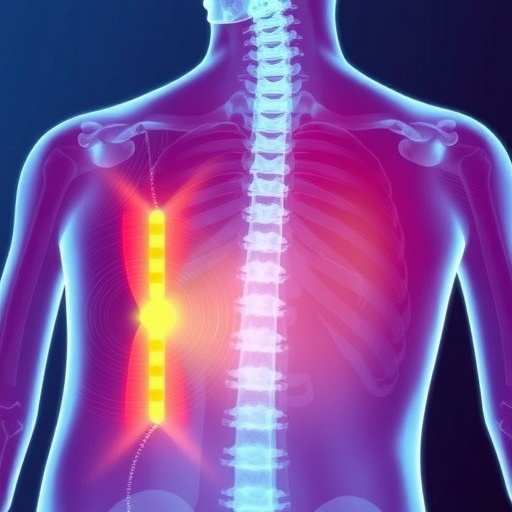
The intricate relationship between nutrition and bone health has long been a cornerstone of public health discussions, especially in regions where bone health conditions, such as osteoporosis, pose significant health concerns. A recent scoping review sheds light on a pressing dietary intervention: the impact of vitamin D-fortified foods on bone health and osteoporosis in the United Arab Emirates (UAE). This review, led by researchers including Iqbal, Abuajlan, and Alktheri, underscores the importance of food fortification as a potential game-changer in public health policies aimed at improving osteoporosis outcomes.
Osteoporosis, a condition characterized by weakening bones, affects millions worldwide, increasing susceptibility to fractures and debilitating injuries. Particularly in the UAE, where lifestyles are increasingly sedentary and dietary habits shift towards processed foods, osteoporosis presents a significant challenge. Vitamin D plays a critical role in calcium absorption and bone health, yet studies suggest that a substantial portion of the UAE’s population lacks sufficient vitamin D levels. This insufficiency can lead to compromised bone density and an elevated risk of osteoporosis.
The scoping review meticulously examines existing literature regarding vitamin D fortification and its subsequent effect on bone health. In a region where traditional diets have shifted dramatically, integrating vitamin D into common food items could prove vital. The review highlights various food sources that could be fortified, including dairy products, cereals, and oils, which are staples in the UAE diet. By enhancing these foods with vitamin D, public health initiatives can potentially reverse the trend of deficiency and promote healthier bones across all demographics.
Research has consistently shown that vitamin D deficiency is prevalent among populations in the Middle East, exacerbated by limited sun exposure due to urban living conditions. Furthermore, cultural practices, such as veiling, can further reduce sunlight exposure, leading to an increased need for dietary sources of vitamin D. The scoping review emphasizes that incorporating fortified foods into the everyday diet could become a straightforward solution to this public health dilemma, benefitting not just the individual but the community as a whole.
The review also offers insights into the unique challenges faced when implementing dietary changes in the UAE. There are cultural considerations regarding food preferences, and misconceptions about food fortification that must be addressed to ensure widespread acceptance. The authors advocate for community engagement and educational campaigns to raise awareness about the importance of vitamin D for bone health and the potential benefits of fortified foods, framing such initiatives as crucial for success.
Moreover, the analysis draws significant attention to policy implementations necessary for fostering a supportive framework for food fortification. Recommendations for policymakers include developing clear guidelines for vitamin D fortification levels, encouraging local food manufacturers to participate in these initiatives, and establishing monitoring systems to assess public health outcomes related to bone health improvements. These steps are essential for creating an environment where positive dietary modifications can thrive.
In discussing potential future research directions, the review expresses a need for longitudinal studies to evaluate the real-world efficacy of vitamin D-fortified foods on bone health over time. Such studies could provide invaluable evidence necessary to measure improvements in bone density and reductions in osteoporosis-related fractures. Additionally, exploring how different demographics respond to fortified food interventions is crucial, as the UAE is characterized by a diverse population with varying nutritional needs.
The findings of this review are particularly timely as the UAE continues to navigate significant public health challenges. With an expanding elderly population, the urgency to mitigate the risks of osteoporosis grows. By prioritizing vitamin D fortification in public health strategies, the UAE has a unique opportunity to enhance the quality of life for its citizens, particularly for aging individuals who are at the greatest risk of osteoporosis.
Furthermore, the review discusses the importance of interdisciplinary collaboration in addressing bone health. It emphasizes that successful implementation of vitamin D fortification strategies will require cooperation among nutritionists, healthcare professionals, policymakers, and the food industry. By coming together, these stakeholders can ensure that the fortified foods are not only available but also appealing and effective in improving public health outcomes.
In conclusion, the scoping review on the effects of vitamin D-fortified foods on bone health and osteoporosis presents compelling arguments for dietary intervention as a critical component of health policy in the UAE. It not only emphasizes the need for immediate action to address vitamin D deficiencies through food fortification but also lays down a framework for future research and community engagement. If implemented effectively, these strategies could contribute to transforming bone health across the nation, ultimately leading to healthier lives for the people of the UAE.
The forthcoming era of public health initiatives in the UAE may very well pivot around the fundamental understanding that nutrition, particularly the fortification of essential vitamins, is paramount to combatting the crippling effects of osteoporosis. As this body of research unfolds, its implications will resonate far beyond the shores of the UAE, influencing global strategies aimed at improving bone health and wellness.
Subject of Research: Impact of vitamin D-fortified foods on bone health and osteoporosis
Article Title: Effect of vitamin D-fortified foods on bone health and osteoporosis: a scoping review and future policies focusing on the United Arab Emirates
Article References:
Iqbal, S., Abuajlan, M., Alktheri, A. et al. Effect of vitamin D-fortified foods on bone health and osteoporosis: a scoping review and future policies focusing on the United Arab Emirates. Arch Osteoporos 20, 128 (2025). https://doi.org/10.1007/s11657-025-01611-7
Image Credits: AI Generated
DOI: https://doi.org/10.1007/s11657-025-01611-7
Keywords: Vitamin D, bone health, osteoporosis, food fortification, public health, UAE.
Tags: bone health in UAEcalcium absorption and bone healthdietary impacts on bone densityfood fortification policieshealth outcomes of fortified foodsnutrition and osteoporosisosteoporosis prevention strategiespublic health nutrition interventionssedentary lifestyle effects on bone healthtraditional diets and modern food habitsvitamin D deficiency in UAEVitamin D fortification



