• HOME
  • NEWS
  • EXPLORE
    • CAREER
      • Companies
      • Jobs
    • EVENTS
    • iGEM
      • News
      • Team
    • PHOTOS
    • VIDEO
    • WIKI
  • BLOG
  • COMMUNITY
    • FACEBOOK
    • INSTAGRAM
    • TWITTER
Monday, December 1, 2025
BIOENGINEER.ORG
No Result
View All Result
  • Login
  • HOME
  • NEWS
  • EXPLORE
    • CAREER
      • Companies
      • Jobs
        • Lecturer
        • PhD Studentship
        • Postdoc
        • Research Assistant
    • EVENTS
    • iGEM
      • News
      • Team
    • PHOTOS
    • VIDEO
    • WIKI
  • BLOG
  • COMMUNITY
    • FACEBOOK
    • INSTAGRAM
    • TWITTER
  • HOME
  • NEWS
  • EXPLORE
    • CAREER
      • Companies
      • Jobs
        • Lecturer
        • PhD Studentship
        • Postdoc
        • Research Assistant
    • EVENTS
    • iGEM
      • News
      • Team
    • PHOTOS
    • VIDEO
    • WIKI
  • BLOG
  • COMMUNITY
    • FACEBOOK
    • INSTAGRAM
    • TWITTER
No Result
View All Result
Bioengineer.org
No Result
View All Result
Home NEWS Science News Chemistry

Viral infections during pregnancy linked to behavioral abnormalities in offspring

Bioengineer by Bioengineer
May 2, 2019
in Chemistry
Reading Time: 2 mins read
0
IMAGE
Share on FacebookShare on TwitterShare on LinkedinShare on RedditShare on Telegram

IMAGE

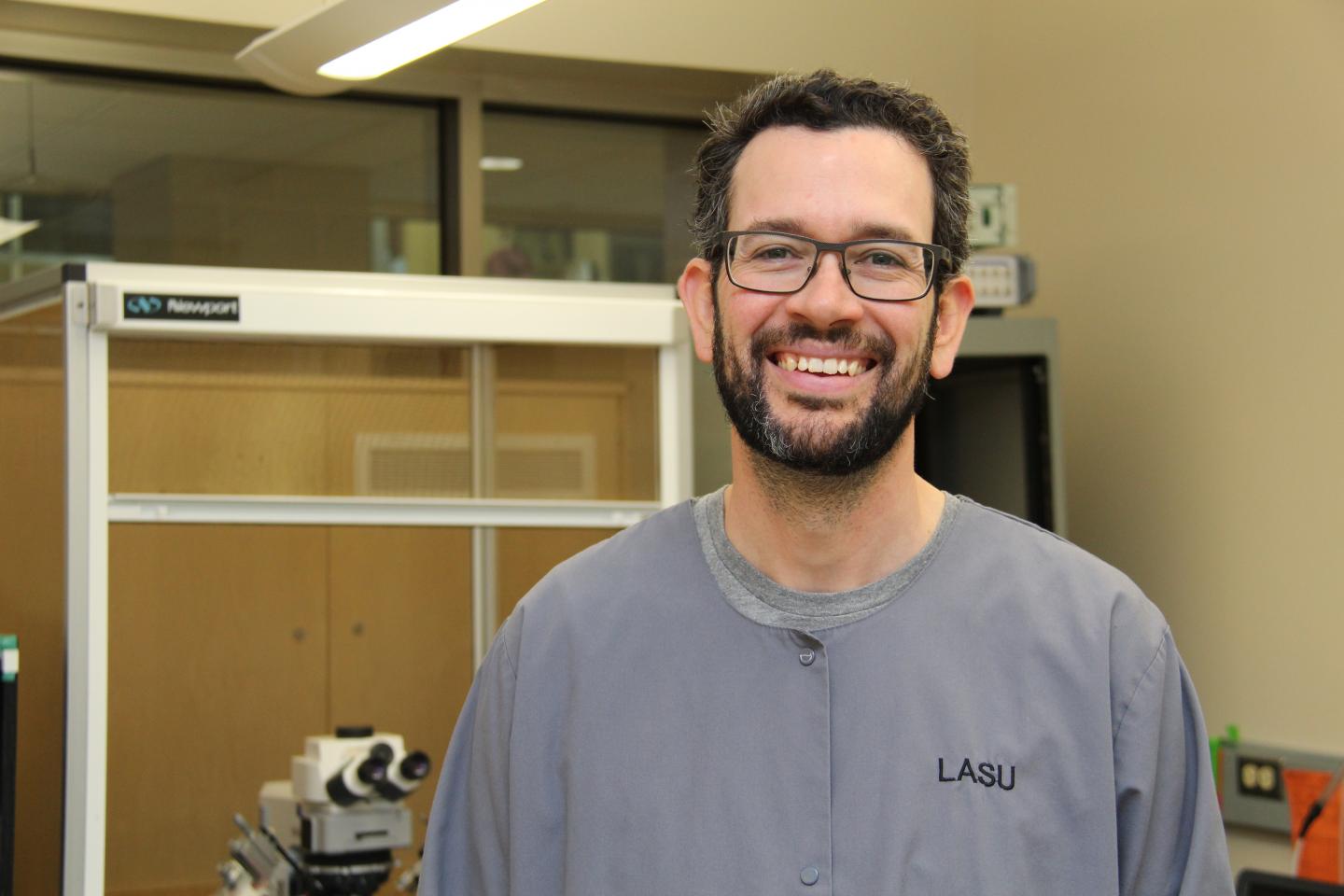
Credit: University of Saskatchewan

Male and female rats whose mother experienced a simulated viral infection during pregnancy behave abnormally, consistent with behavioural alterations in autism or schizophrenia, research by the University of Saskatchewan (USask) shows.

The USask research, published in the journal eNeuro, found that young adult rats, exposed to a simulated viral infection in utero, displayed abnormal behaviour, suggesting specific brain changes while in the womb.

The research by John Howland physiology professor in the College of Medicine, suggests that inflammation during pregnancy alters the brain development of unborn offspring and may predispose them to psychiatric illness, including schizophrenia.

Howland’s findings are consistent with human studies linking exposure to inflammation in the womb to increased rates of psychiatric disorders including schizophrenia and autism.

Previous studies have found that babies whose mothers were exposed to the flu virus during the first half of their pregnancy may face a higher risk of developing schizophrenia in later life.

Schizophrenia, a serious psychiatric illness, affects around one per cent of the population. The risk of developing the illness as an adult can be up to three per cent among those whose mothers contracted flu in the first half of their pregnancy.

“Members of my laboratory have conducted a number of studies related to the effects of inflammation during pregnancy on the behaviour of the offspring using a rat model. Our research, and that of other labs around the world, consistently reveals long-lasting effects of in utero exposure to inflammation in the offspring,” Howland said.

Extensive testing of rats exposed to a simulated virus in utero showed that the young adult offspring had reduced working memories and altered fear responses, suggesting that aspects of their cognition were altered.

They were also less sociable with other rats, compared to those whose mothers had not been treated while pregnant.

Howland’s team has been studying the impact of maternal immune activation for years and found similar effects in both male and female offspring, exposed to inflammation while in utero. Research has historically been conducted mostly in males.

Brittney Lins, a graduate student and member of the USask research team, said:

“Our research showed that experiences during development affect the brain, and we saw that inflammation during pregnancy affected social behaviour and memory in rat offspring as adults.”

###

The research was funded by the Canadian Institutes of Health Research.

Media Contact
Jennifer Thoma
[email protected]

Related Journal Article

http://dx.doi.org/10.1523/ENEURO.0437-18.2019

Tags: BehaviorDecision-making/Problem SolvingIntelligenceMemory/Cognitive ProcessesMental HealthneurobiologyNeurochemistrySocial/Behavioral Science
Share13Tweet8Share2ShareShareShare2

Related Posts

Neighboring Groups Speed Up Polymer Self-Deconstruction

Neighboring Groups Speed Up Polymer Self-Deconstruction

November 28, 2025
blank

Activating Alcohols as Sulfonium Salts for Photocatalysis

November 26, 2025

Carbonate Ions Drive Water Ordering in CO₂ Reduction

November 25, 2025

Isolable Germa-Isonitrile with N≡Ge Triple Bond

November 24, 2025
Please login to join discussion

POPULAR NEWS

  • New Research Unveils the Pathway for CEOs to Achieve Social Media Stardom

    New Research Unveils the Pathway for CEOs to Achieve Social Media Stardom

    203 shares
    Share 81 Tweet 51
  • Scientists Uncover Chameleon’s Telephone-Cord-Like Optic Nerves, A Feature Missed by Aristotle and Newton

    120 shares
    Share 48 Tweet 30
  • Neurological Impacts of COVID and MIS-C in Children

    106 shares
    Share 42 Tweet 27
  • MoCK2 Kinase Shapes Mitochondrial Dynamics in Rice Fungal Pathogen

    67 shares
    Share 27 Tweet 17

About

We bring you the latest biotechnology news from best research centers and universities around the world. Check our website.

Follow us

Recent News

Serum Intestinal Fatty Acid Protein Rises in NEC

RNA Interference Shows Promise for Hepatitis B Cure

Advanced Hybrid Model Boosts Brain Tumor Classification

Subscribe to Blog via Email

Enter your email address to subscribe to this blog and receive notifications of new posts by email.

Join 69 other subscribers
  • Contact Us

Bioengineer.org © Copyright 2023 All Rights Reserved.

Welcome Back!

Login to your account below

Forgotten Password?

Retrieve your password

Please enter your username or email address to reset your password.

Log In
No Result
View All Result
  • Homepages
    • Home Page 1
    • Home Page 2
  • News
  • National
  • Business
  • Health
  • Lifestyle
  • Science

Bioengineer.org © Copyright 2023 All Rights Reserved.