In a groundbreaking study that could significantly shape the landscape of dementia care, researchers have explored the feasibility of a new form of support for family caregivers. The study, titled “A videoconferencing group-based psychoeducation for family caregivers of people living with dementia: a feasibility study,” investigates how virtual tools can enhance the skills and confidence required to care for loved ones affected by dementia. Conducted by a team of dedicated researchers, including Chan, Ho, and Chan, this study promises to open doors to innovative approaches in dementia care.
The increasing prevalence of dementia globally presents a significant challenge not just for the healthcare system, but also for families handling the daily realities of caregiving. Family caregivers often face immense emotional and physical burdens, which can lead to caregiver strain and poor mental health outcomes. This study illustrates a proactive approach to addressing these challenges by delivering psychoeducation remotely, thus expanding access and convenience for caregivers who might otherwise struggle to find support.
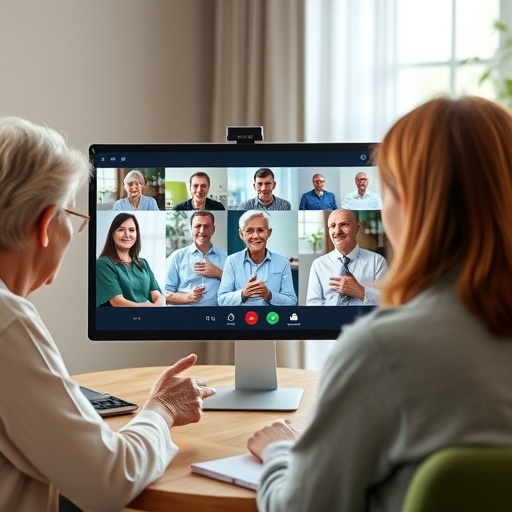
Through the utilization of videoconferencing, caregivers from diverse backgrounds and regions can participate in group educational sessions regardless of their geographical limitations. This format not only ensures active participation but also fosters a sense of community among caregivers. The study presents an innovative alternative to traditional face-to-face interactions, which can be logistically challenging and emotionally taxing, especially for individuals already managing the demands of caregiving.
The study involved a diverse cohort of family caregivers who provide daily support for individuals living with dementia. Over several weeks, participants engaged in comprehensive psychoeducation sessions designed to equip them with essential skills and information relevant to dementia care. The group format allowed participants to share experiences, insights, and strategies, highlighting the therapeutic effects of peer support.
Participants received training on a variety of topics, including coping strategies, communication techniques, and caregiving responsibilities. The researchers aimed not just to impart knowledge but to stimulate a deeper understanding of dementia and its implications on both the patient and the caregiver. This approach is expected to lead to enhanced emotional resilience and improved caregiving environments.
One of the most promising findings from the study was the reported increase in caregiver confidence. Many participants expressed feeling more prepared to handle the challenges posed by dementia as a result of their involvement in the psychoeducation sessions. Enhanced confidence among caregivers can lead to better care for dementia patients, forming a positive feedback loop that benefits the entire family system.
Moreover, the study assessed the technological barriers caregivers might encounter. Not all family caregivers are tech-savvy, and some may face challenges in accessing or using videoconferencing platforms. Therefore, part of the feasibility study involved providing training on the necessary technologies to ensure participants could engage fully. This aspect of training underscores the commitment of the researchers to providing comprehensive support to caregivers beyond the educational content of the study.
The study also explored the emotional dimensions of caregiving. Many caregivers reported feelings of isolation and loneliness, common feelings among those providing support in challenging circumstances. By participating in a group-based format, caregivers could find empathy and understanding among others who share similar experiences. This social connectivity is often overlooked but is crucial for maintaining mental health among caregivers.
Another noteworthy outcome was the positive feedback regarding the flexibility of the videoconferencing format. Caregivers often have unpredictable schedules, and the ability to participate in sessions from their own homes significantly reduced the logistical burdens associated with attendance. This flexibility is particularly vital as it allows caregivers to access support without overwhelming their existing responsibilities.
The findings from this feasibility study have implications beyond just the immediate participants. If effectively implemented, group-based videoconferencing psychoeducation has the potential to enhance caregiver support on a larger scale. As the study demonstrates, there is a clear need for innovative and adaptable methods of support to address the evolving challenges faced by caregivers, especially in the context of a global health crisis like the COVID-19 pandemic.
While the results are promising, researchers acknowledge the necessity for further studies to evaluate the long-term impacts of this program. Continued research efforts should focus on measuring the sustainability of the benefits observed and determining how best to implement and replicate such programs across varied populations and settings.
In conclusion, the study by Chan, Ho, and Chan provides a pioneering look into the future of caregiver support. By embracing technology and innovative educational methods, we can help family caregivers overcome the numerous obstacles they face. The way forward in dementia care may very well depend on our willingness to leverage these new approaches to foster community, resilience, and well-being among family caregivers.
This research initiative sheds light on the transformative power of psychoeducation and underscores the importance of supporting those who dedicate themselves to caring for loved ones living with dementia. It paves the way for future innovations that will surely enhance the quality of life for both caregivers and patients alike, marking a significant stride in the endeavor to address the challenges of dementia caregiving in a modern context.
Subject of Research: Psychoeducation for Family Caregivers of People Living with Dementia
Article Title: A videoconferencing group-based psychoeducation for family caregivers of people living with dementia: a feasibility study.
Article References: Chan, J.H.M., Ho, K.H.M. & Chan, H.Y.L. A videoconferencing group-based psychoeducation for family caregivers of people living with dementia: a feasibility study. BMC Geriatr (2026). https://doi.org/10.1186/s12877-026-07010-y
Image Credits: AI Generated
DOI:
Keywords: caregiving, dementia, psychoeducation, videoconferencing, family support.
Tags: caregiver strain and mental healthchallenges in dementia caregivingcommunity building among caregiversdementia caregiver supportemotional support for dementia caregiversfeasibility study on dementia careinnovative dementia care approachesonline support groups for caregiverspsychoeducation for family caregiversremote caregiver trainingvideoconferencing for dementia carevirtual tools in healthcare