


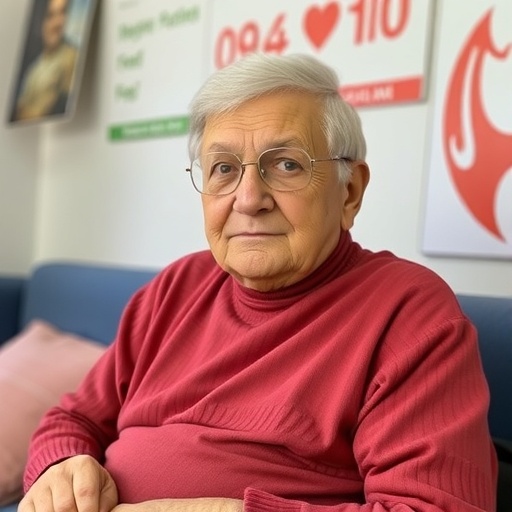
In an era where the aging population is rapidly increasing, the issue of social frailty among the elderly is becoming increasingly critical. Recent research by Atbas, Sayin, Karaduman, and colleagues has shed light on this phenomenon, particularly focusing on the Turkish elder demographic. Their work offers not only validation and reliability of the Makizako Social Frailty Index, but it also lays essential groundwork in understanding social frailty in older adults, which is a crucial yet often overlooked aspect of geriatric health. This research opens new avenues for addressing the multifaceted challenges that aging individuals face, particularly those who may be socially frail.
Social frailty, as defined in this study, encompasses a range of factors including social isolation, lack of participation in social activities, and emotional detachment, which can culminate in adverse health outcomes for older adults. The research reveals an alarming prevalence of social frailty within the Turkish elderly community, illustrating that social dynamics are as important as physical health. The findings highlight a necessity for healthcare systems to integrate social care into their services for older adults to better accommodate the complexities of aging.
The Makizako Social Frailty Index serves as a pivotal tool in this research. Originally developed in Japan, this index has undergone rigorous testing to establish its validity and reliability within the Turkish context. Utilizing a combination of quantitative measures, the index assesses various indicators of social frailty, enabling healthcare professionals to identify individuals at risk. The researchers meticulously detail how the index was adapted for the Turkish elderly demographic, accounting for cultural and societal factors that influence social connections.
One of the key findings of the research is the correlation between social frailty and a decline in overall health status. The data collected highlights that older adults who experience social frailty are more prone to developing physical and mental health issues. This finding emphasizes the importance of holistic care approaches that recognize the intertwined nature of mental, physical, and social well-being. It suggests that simply addressing medical issues without considering a person’s social landscape may lead to suboptimal health outcomes.
Moreover, the study underscores the urgent need for public policies aimed at mitigating the factors that contribute to social frailty. By promoting community engagement and providing resources for social support, policymakers can play a fundamental role in enhancing the lives of elderly individuals. The research team suggests that interventions designed to build social networks and encourage participation in community activities could significantly improve not only the social well-being of older adults but their overall health as well.
The implications of this research extend beyond Turkey, resonating with a global audience that grapples with the social dimensions of aging. As many societies witness a growing elderly demographic, the lessons drawn from this study are invaluable. Understanding social frailty is essential for developing comprehensive care strategies that are applicable across different contexts and cultures. It serves as a reminder that healthcare provision must evolve to address the unique needs of the aging population worldwide.
Additionally, this research highlights the importance of continued investigation into the various dimensions of social frailty. Future research could explore the effectiveness of different interventions aimed at reducing social frailty, evaluating their impact on health outcomes among older adults. Such studies could help refine the Makizako Social Frailty Index and adapt it further for diverse populations, ensuring it remains a relevant and effective tool in geriatric healthcare.
The researchers employed a cross-sectional study design, which allowed for the collection of a vast array of data that was both qualitative and quantitative in nature. By gathering information from a sizable sample of Turkish older adults, they were able to draw compelling conclusions regarding social frailty’s prevalence and impact. This methodological rigor adds weight to their findings and enhances the credibility of the Makizako Social Frailty Index within this newly explored cultural context.
In light of these findings, healthcare professionals are urged to adopt a more integrated approach that encompasses both physical health assessments and social needs evaluations. This shift could fundamentally change how care is delivered to older adults, enabling more personalized and effective health interventions. As social determinants of health gain recognition, the challenges of managing social frailty should no longer be marginalized within aging research and healthcare practices.
The study’s contributions are significant, laying the groundwork for future policies designed to promote social connectedness among older adults. It brings to light the essential role that social engagement plays in maintaining health and well-being in later life. By recognizing the impact of social frailty, practitioners can advocate for resources that support the creation of vibrant, age-friendly communities where older adults can thrive.
Ultimately, this research serves as a clarion call for increased awareness and action regarding social frailty in older adults. The Makizako Social Frailty Index stands as a promising tool in the arsenal against the often invisible challenges faced by the elderly. It is clear that addressing social frailty is not just a health issue; it is a societal responsibility that calls for collective action to foster environments that support aging individuals.
In conclusion, the detection and understanding of social frailty are crucial for improving health outcomes among older adults. Researchers like Atbas and colleagues have made significant strides in this area, but a collaborative effort is required to implement effective solutions. As we look towards the future, we must ensure that our aging population is not only cared for physically but also socially, thus enhancing their quality of life and well-being as they navigate these later years.
Subject of Research: Social frailty in older adults, specifically in the Turkish context.
Article Title: Detection of social frailty in older adults: validation and reliability of the Makizako Social Frailty Index for Turkish older adults, a cross-sectional study.
Article References:
Atbas, C., Sayin, H., Karaduman, D. et al. Detection of social frailty in older adults: validation and reliability of the Makizako Social Frailty Index for Turkish older adults, a cross-sectional study.
BMC Geriatr (2025). https://doi.org/10.1186/s12877-025-06810-y
Image Credits: AI Generated
DOI: 10.1186/s12877-025-06810-y
Keywords: social frailty, elderly, health outcomes, Makizako Social Frailty Index, Turkey.
Tags: aging population challenges in Turkeyelderly social participation issuesemotional detachment in elderlyfactors contributing to social frailtygeriatric health and social dynamicshealthcare integration for aging individualsimportance of social care in healthcare systemsMakizako Social Frailty Index validationprevalence of social frailty in Turkeyresearch on social frailty in older adultssocial frailty in elderly populationsocial isolation among older adults



