• HOME
  • NEWS
  • EXPLORE
    • CAREER
      • Companies
      • Jobs
    • EVENTS
    • iGEM
      • News
      • Team
    • PHOTOS
    • VIDEO
    • WIKI
  • BLOG
  • COMMUNITY
    • FACEBOOK
    • INSTAGRAM
    • TWITTER
Wednesday, April 1, 2026
BIOENGINEER.ORG
No Result
View All Result
  • Login
  • HOME
  • NEWS
  • EXPLORE
    • CAREER
      • Companies
      • Jobs
        • Lecturer
        • PhD Studentship
        • Postdoc
        • Research Assistant
    • EVENTS
    • iGEM
      • News
      • Team
    • PHOTOS
    • VIDEO
    • WIKI
  • BLOG
  • COMMUNITY
    • FACEBOOK
    • INSTAGRAM
    • TWITTER
  • HOME
  • NEWS
  • EXPLORE
    • CAREER
      • Companies
      • Jobs
        • Lecturer
        • PhD Studentship
        • Postdoc
        • Research Assistant
    • EVENTS
    • iGEM
      • News
      • Team
    • PHOTOS
    • VIDEO
    • WIKI
  • BLOG
  • COMMUNITY
    • FACEBOOK
    • INSTAGRAM
    • TWITTER
No Result
View All Result
Bioengineer.org
No Result
View All Result
Home NEWS Science News Health

UTSA professor receives grant for therapeutic underwater virtual…

Bioengineer by Bioengineer
February 12, 2018
in Health
Reading Time: 2 mins read
0
Share on FacebookShare on TwitterShare on LinkedinShare on RedditShare on Telegram
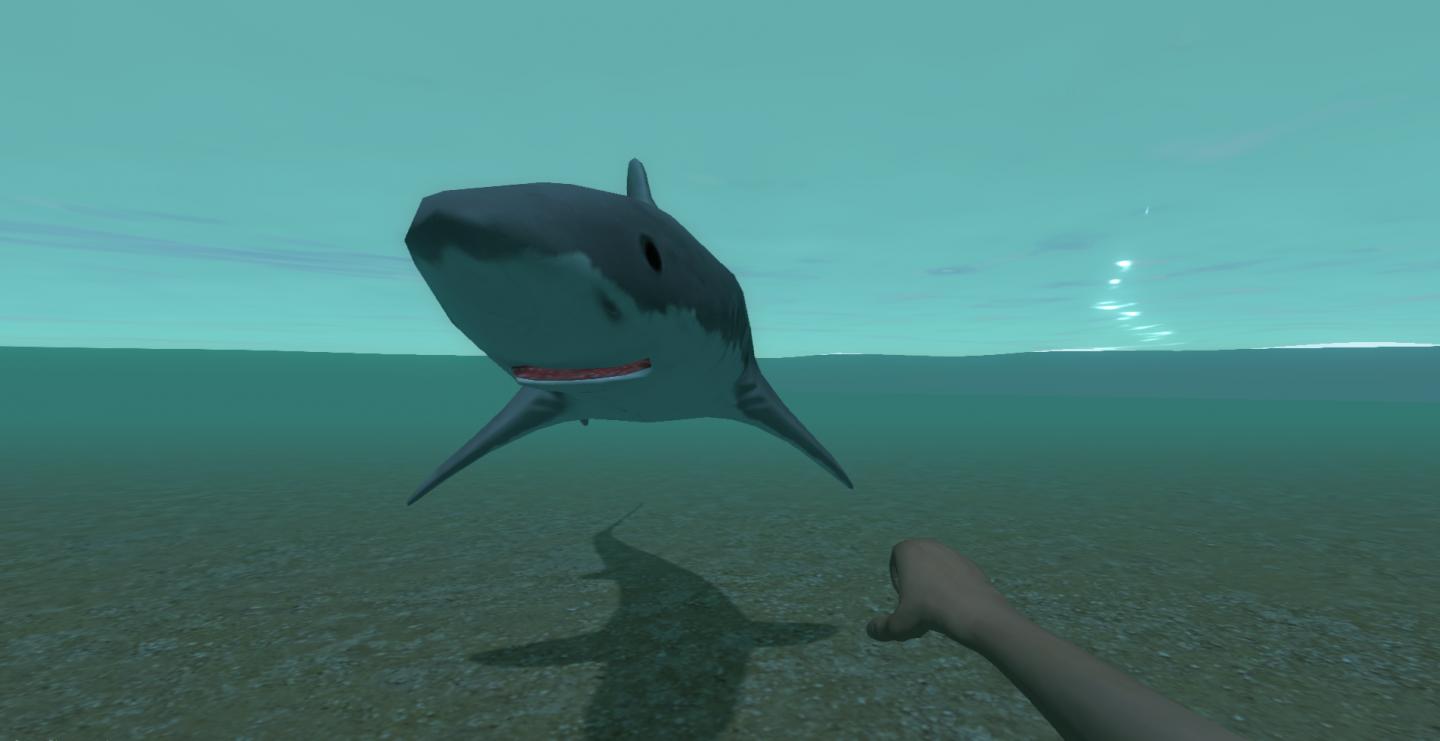
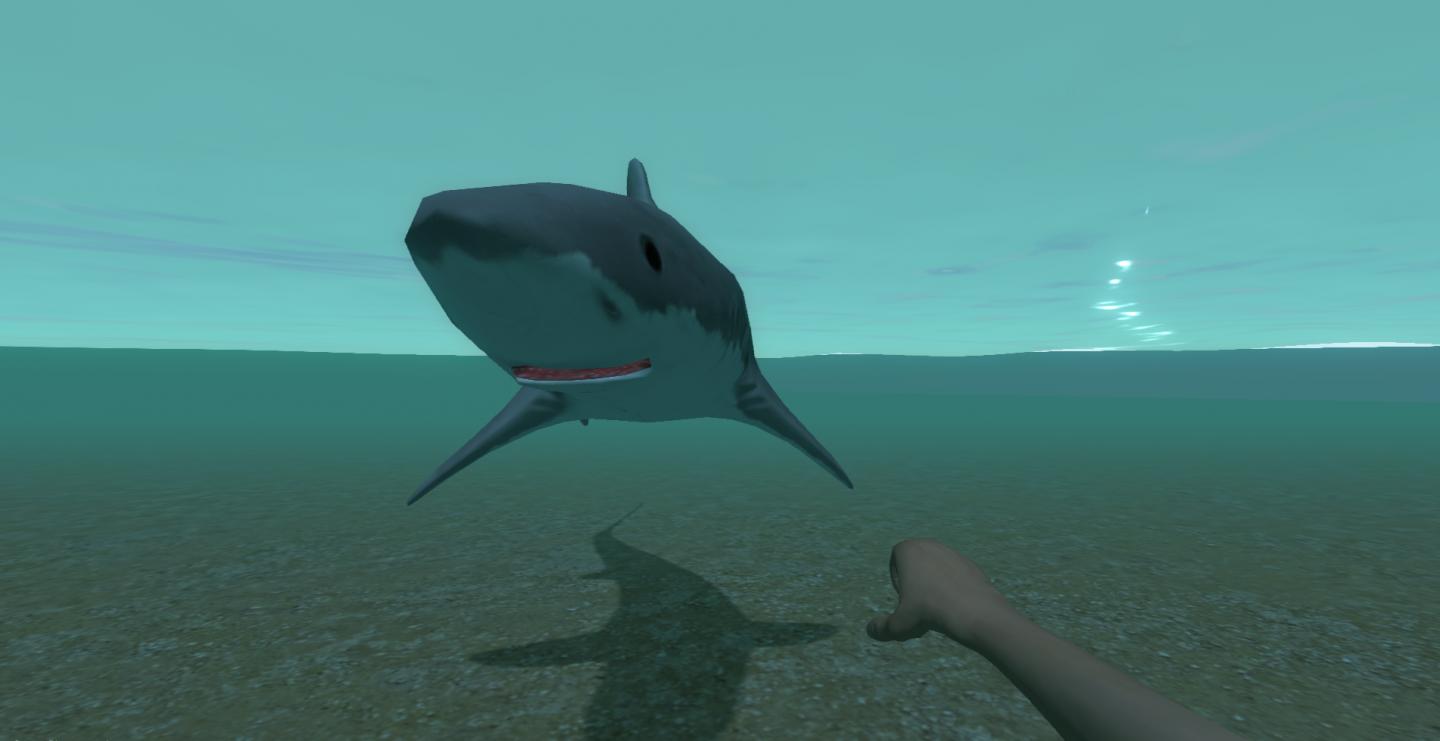
IMAGE

Credit: John Quarles/UTSA

John Quarles, an associate professor of computer science at The University of Texas at San Antonio (UTSA), has received a $240,000 grant from the National Science Foundation for his top-tier underwater virtual reality research. This includes Quarles's game, "Shark Punch," which was made with everyday items like smart phones and dive masks and is as therapeutic as it is entertaining.

"I'd been considering the idea of an aquatic game for a while," said Quarles, who has multiple sclerosis. "In rehabilitation, there aren't really any virtual reality games you can play in the pool."

Like many people with multiple sclerosis, Quarles gets overheated while exercising and that makes his symptoms worse. Exercising in the pool keeps his temperature down and helps him balance.

For the past year, Quarles has been developing and testing the game, which involves strapping a waterproof smart phone to the user's chest. A second phone attached to a dive mask allows the user to explore a virtual underwater reality.

The goal of the game is to must evade and fend off a virtual great white shark by trying to punch it on the nose. The phone attached to the user's chest detects when he throws a punch. It gives off a chomping noise and a little buzz if the shark is able to get a bite.

Quarles made sure the experience felt as real as possible. When the user looks through the goggles at the smart phone screen, the image mimics the experience of looking through a dive mask by splitting the screen. When he goes to punch the shark, a fist is seen flying across the screen.

"Virtual reality has existed for some time in physical therapy," said Quarles. "Aquatic therapy has been a part of treatment for MS for a long time as well, but no one had merged the two yet."

Earlier this year, Quarles applied for a patent for Shark Punch. In the meantime he will test the device on other MS patients so he can improve it. He hopes the game can also be adapted to help people seeking out aquatic therapy to cope with injuries or recovery from surgery.

"The idea is to think outside of the box when it comes to virtual reality gaming and this kind of treatment," he said. "Games can have a positive effect on people's lives, and that's what we're striving for."

###

Media Contact

Joanna E. Carver
[email protected]
210-243-4557
@utsa

http://www.utsa.edu

Share12Tweet8Share2ShareShareShare2

Related Posts

Unraveling Sleep Genetics via Wearable Device Data

April 1, 2026

FOLR3 and Neutrophils Worsen Sepsis Inflammation

April 1, 2026

NIH Scientists Develop Pain-Relief Drug with Low Addiction Risk

April 1, 2026

Impact of AI-Powered Scribes on Clinician Time and Patient Visit Volume

April 1, 2026
Please login to join discussion

POPULAR NEWS

  • blank

    Revolutionary AI Model Enhances Precision in Detecting Food Contamination

    96 shares
    Share 38 Tweet 24
  • Imagine a Social Media Feed That Challenges Your Views Instead of Reinforcing Them

    1006 shares
    Share 398 Tweet 249
  • Promising Outcomes from First Clinical Trials of Gene Regulation in Epilepsy

    51 shares
    Share 20 Tweet 13
  • Popular Anti-Aging Compound Linked to Damage in Corpus Callosum, Study Finds

    43 shares
    Share 17 Tweet 11

About

BIOENGINEER.ORG

We bring you the latest biotechnology news from best research centers and universities around the world. Check our website.

Follow us

Recent News

Unraveling Sleep Genetics via Wearable Device Data

Dopamine Drives Dynamic Social Specialization

FOLR3 and Neutrophils Worsen Sepsis Inflammation

Subscribe to Blog via Email

Success! An email was just sent to confirm your subscription. Please find the email now and click 'Confirm' to start subscribing.

Join 78 other subscribers
  • Contact Us

Bioengineer.org © Copyright 2023 All Rights Reserved.

Welcome Back!

Login to your account below

Forgotten Password?

Retrieve your password

Please enter your username or email address to reset your password.

Log In
No Result
View All Result
  • Homepages
    • Home Page 1
    • Home Page 2
  • News
  • National
  • Business
  • Health
  • Lifestyle
  • Science

Bioengineer.org © Copyright 2023 All Rights Reserved.