• HOME
  • NEWS
  • EXPLORE
    • CAREER
      • Companies
      • Jobs
    • EVENTS
    • iGEM
      • News
      • Team
    • PHOTOS
    • VIDEO
    • WIKI
  • BLOG
  • COMMUNITY
    • FACEBOOK
    • INSTAGRAM
    • TWITTER
Saturday, February 7, 2026
BIOENGINEER.ORG
No Result
View All Result
  • Login
  • HOME
  • NEWS
  • EXPLORE
    • CAREER
      • Companies
      • Jobs
        • Lecturer
        • PhD Studentship
        • Postdoc
        • Research Assistant
    • EVENTS
    • iGEM
      • News
      • Team
    • PHOTOS
    • VIDEO
    • WIKI
  • BLOG
  • COMMUNITY
    • FACEBOOK
    • INSTAGRAM
    • TWITTER
  • HOME
  • NEWS
  • EXPLORE
    • CAREER
      • Companies
      • Jobs
        • Lecturer
        • PhD Studentship
        • Postdoc
        • Research Assistant
    • EVENTS
    • iGEM
      • News
      • Team
    • PHOTOS
    • VIDEO
    • WIKI
  • BLOG
  • COMMUNITY
    • FACEBOOK
    • INSTAGRAM
    • TWITTER
No Result
View All Result
Bioengineer.org
No Result
View All Result
Home NEWS Science News Health

UTA bioengineer to develop hydrogel to repair heart tissue after heart attacks

Bioengineer by Bioengineer
August 24, 2018
in Health
Reading Time: 2 mins read
0
Share on FacebookShare on TwitterShare on LinkedinShare on RedditShare on Telegram
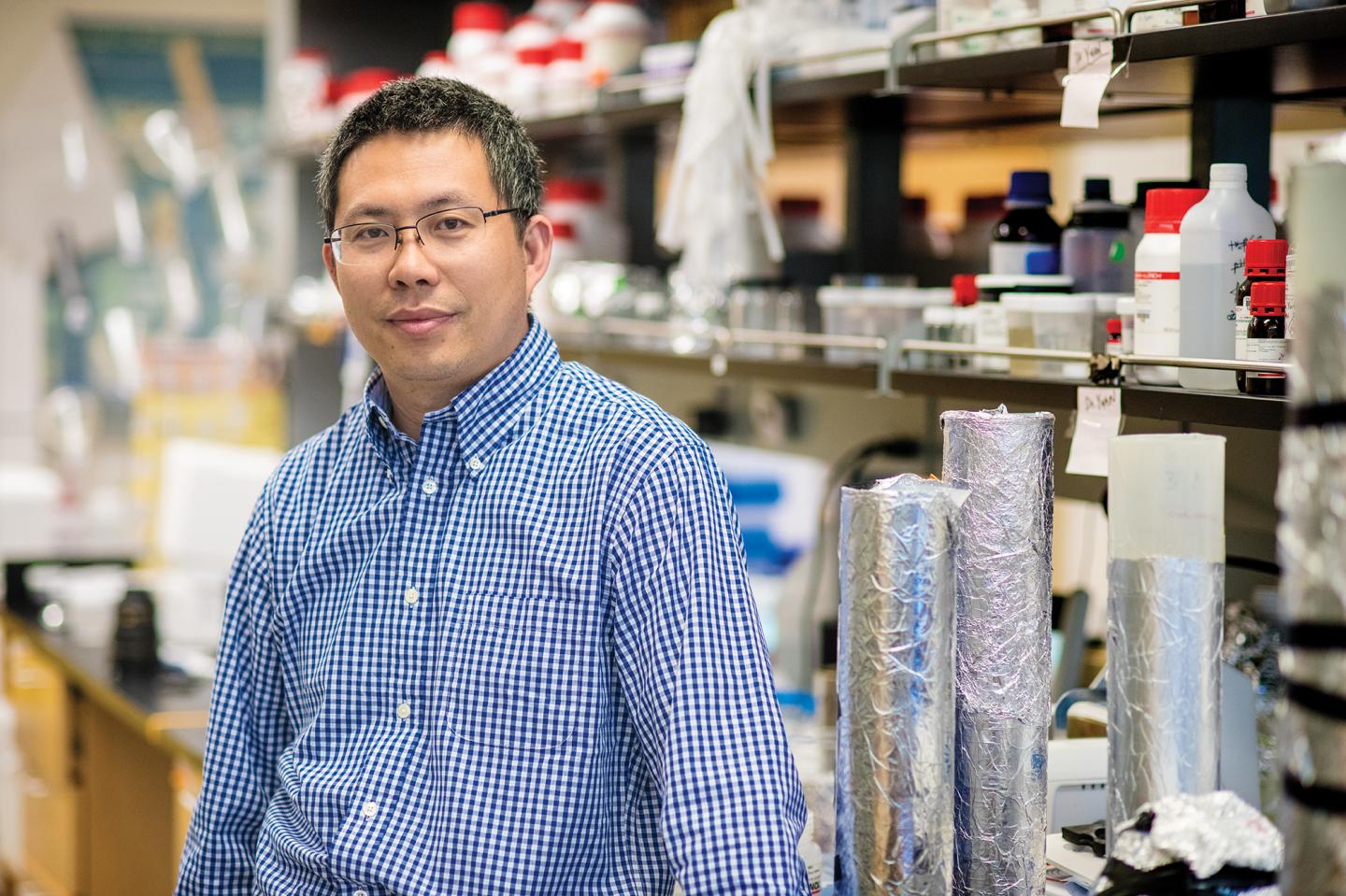
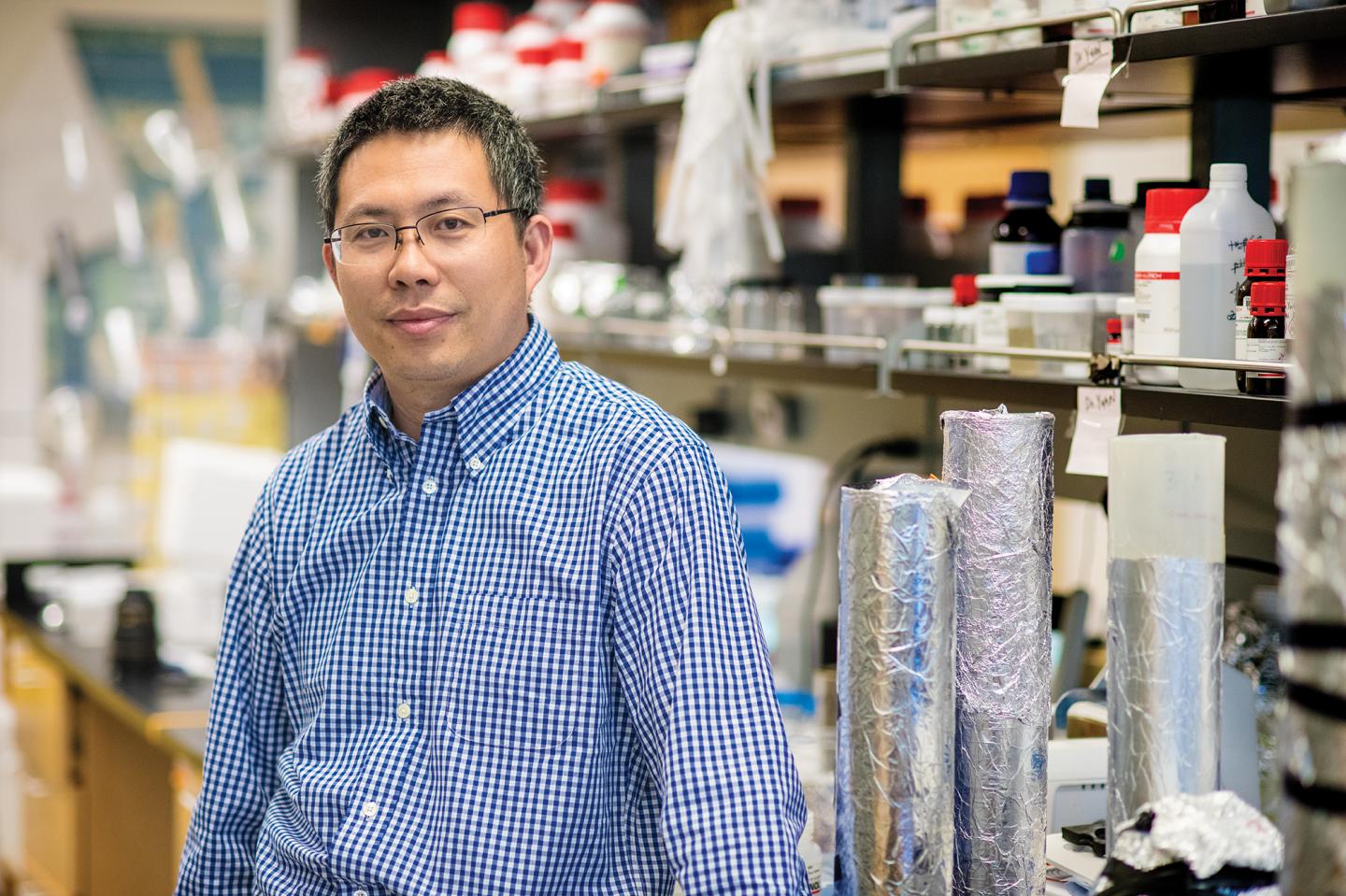
IMAGE

Credit: UTA

A UTA bioengineering professor has won a new $460,000 grant from the National Institutes of Health to develop a biodegradable and bioactive hydrogel to repair heart tissue after heart attacks.

"Heart attacks, or myocardial infarction, is a leading cause of morbidity and mortality worldwide," said UTA bioengineering professor Yi Hong, who is leading the research project.

"We are working on a new biodegradable and bioactive hydrogel material that could be injected into the heart to promote cardiac repair after a heart attack."

Recent research has shown that the injection of a hydrogel derived from heart tissue with the cells removed can promote the development of new heart muscle cells and also help restore heart function. This scaffold material is called the extracellular matrix.

"My collaborators and I aim to take this one step further and develop a blended injectable biogel that combines the scaffolding and repair properties of the extracellular matrix with nanoparticle-based drug delivery technologies," Hong said.

"Our projected outcome is to significantly increase the recruitment of stem cells to the heart, accelerate cardiac repair and improve cardiac function after a heart attack."

Hong is collaborating with UTA bioengineering professor Kytai Nguyen and UTA bioengineering associate professor Jun Liao, as well as Ge Zhang, associate professor of biomedical engineering at the University of Akron.

Michael Cho, UTA's chair of bioengineering, congratulated Hong and the team on attaining this highly competitive grant.

"Dr. Hong's research in biomaterials and especially biogels is positioning UTA at the forefront of this burgeoning field," Cho said. "This new project will provide a platform for cross-institutional collaboration in Dallas-Fort Worth area and strengthen our position even further in biomedical engineering research and potential clinical applications."

Earlier this year, Hong developed a highly elastic biodegradable hydrogel for bioprinting materials that mimic natural human soft tissues. Bioprinting uses live cells within the scaffolding of the new tissues and could potentially transform cell printing. A provisional patent application has been filed on this new elastic material, which will be able to generate multiple types of human soft tissues, including skin, skeletal muscles, blood vessels and heart muscles.

###

Media Contact

Louisa Kellie
[email protected]
817-524-8926
@utarlington

http://www.uta.edu

Original Source

https://www.uta.edu/news/releases/2018/08/Yi%20Hong%20grant%20release%20.php
Share12Tweet8Share2ShareShareShare2

Related Posts

Digital Health Perspectives from Baltic Sea Experts

February 7, 2026

Exploring Decision-Making in Dementia Caregivers’ Mobility

February 7, 2026

Succinate Receptor 1 Limits Blood Cell Formation, Leukemia

February 7, 2026

Palmitoylation of Tfr1 Drives Platelet Ferroptosis and Exacerbates Liver Damage in Heat Stroke

February 7, 2026
Please login to join discussion

POPULAR NEWS

  • Robotic Ureteral Reconstruction: A Novel Approach

    Robotic Ureteral Reconstruction: A Novel Approach

    82 shares
    Share 33 Tweet 21
  • Digital Privacy: Health Data Control in Incarceration

    63 shares
    Share 25 Tweet 16
  • Study Reveals Lipid Accumulation in ME/CFS Cells

    57 shares
    Share 23 Tweet 14
  • Breakthrough in RNA Research Accelerates Medical Innovations Timeline

    53 shares
    Share 21 Tweet 13

About

We bring you the latest biotechnology news from best research centers and universities around the world. Check our website.

Follow us

Recent News

Digital Health Perspectives from Baltic Sea Experts

Florida Cane Toad: Complex Spread and Selective Evolution

Exploring Decision-Making in Dementia Caregivers’ Mobility

Subscribe to Blog via Email

Enter your email address to subscribe to this blog and receive notifications of new posts by email.

Join 73 other subscribers
  • Contact Us

Bioengineer.org © Copyright 2023 All Rights Reserved.

Welcome Back!

Login to your account below

Forgotten Password?

Retrieve your password

Please enter your username or email address to reset your password.

Log In
No Result
View All Result
  • Homepages
    • Home Page 1
    • Home Page 2
  • News
  • National
  • Business
  • Health
  • Lifestyle
  • Science

Bioengineer.org © Copyright 2023 All Rights Reserved.