Recent advancements in the understanding of metabolic disorders have illuminated critical pathways involved in conditions such as metabolic-associated fatty liver disease (MAFLD), previously referred to as non-alcoholic fatty liver disease (NAFLD). In the context of MAFLD, a pivotal factor that has emerged is the role of USP24, a member of the ubiquitin-specific protease family. Researchers have focused on the significance of USP24 in regulating the stability of PKA-Cα, a key component of the protein kinase A (PKA) signaling pathway. The implications of this regulation extend beyond mere molecular interactions, linking it to broader physiological processes including lipogenesis, inflammation, and fibrosis during the progression of the disease.
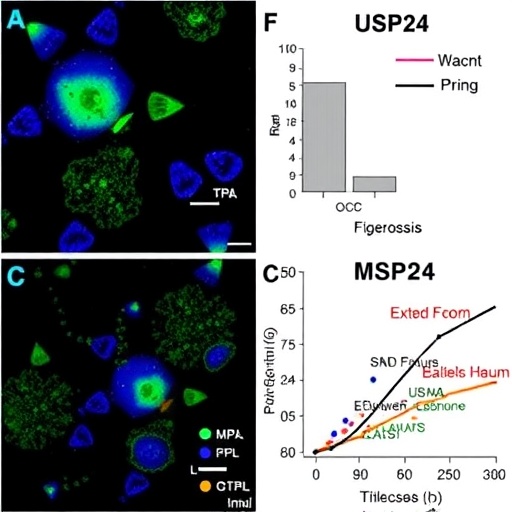
A recent study by Ning et al. provides a comprehensive exploration of the mechanism through which USP24 facilitates the stabilization of PKA-Cα. The findings suggest that this stabilization has profound effects on adipocyte metabolism, promoting lipogenesis at the cellular level. The pathway involves complex interactions among various enzymes and regulators, highlighting the intricate regulatory networks at play in lipid metabolism. By fostering an enhanced lipogenic state, TIP24 may contribute to the accumulation of lipids in the liver, a hallmark of the fatty liver disease spectrum.
Moreover, the relationship between PKA-Cα and inflammation has been a subject of keen interest among researchers seeking to decipher the connection between metabolic dysregulation and inflammatory responses. The emergence of pro-inflammatory cytokines in the liver can exacerbate metabolic syndromes, and the regulation of this process by USP24 offers a potential therapeutic target. By elucidating the pathways through which USP24 operates, the study presents exciting prospects for developing targeted interventions to manage liver inflammation associated with MAFLD.
The fibrotic aspect of MAFLD is particularly concerning, as liver fibrosis can progress to more severe manifestations, including cirrhosis and liver cancer. The study underscores the potential role of USP24 in mediating fibrogenesis via PKA-Cα stabilization. The cross-talk between lipogenic processes and fibrosis emphasizes the multi-faceted nature of liver pathology in MAFLD. Research in this area is crucial not just for understanding pathology but also for developing effective treatment protocols that can intervene at multiple points in the disease cascade.
Investigations into the post-translational modifications of proteins have drawn attention to the ubiquitin-proteasome system, which plays a vital role in cellular homeostasis and signaling. USP24, specifically, has been shown to impact a range of proteins involved in critical cellular functions. The study by Ning et al. presents USP24 as a potential modifier of PKA-Cα availability, thus influencing downstream signaling pathways that govern metabolic reactions. This highlights the importance of maintaining a delicate balance within cellular signaling networks to support healthy metabolic function.
The use of model organisms and cell lines in the study’s experiments strengthens the validity of the findings, suggesting that the relationships observed are likely conserved across biological systems. Future research directions will likely include investigations into how the regulation of USP24 differs across various settings and pathological states. Understanding the broader implications of USP24 in other metabolic disorders could lead to a more comprehensive understanding of its role in human health and disease.
Vis-à-vis therapeutic implications, the findings open new avenues for pharmacological interventions that could target USP24 directly or enhance its activity to mitigate the effects of PKA-Cα dysregulation. This could involve developing small molecule modulators or gene therapy techniques aimed at restoring normal USP24 function. The prospect of targeting the USP24-PKA-Cα axis represents a promising strategy in tackling lipotoxicity and its associated sequelae in patients suffering from MAFLD.
Additionally, the research contributes to our understanding of the interplay between metabolic dysregulation and the immune response. As the liver serves as a central hub for metabolic activity and immune function, the findings underscore the necessity of a holistic approach to treat liver-associated diseases. The intricate balance between energy metabolism, inflammation, and fibrosis presents a complex interplay that requires integrative therapeutic strategies.
In summary, the work of Ning et al. encapsulates a significant stride towards unraveling the molecular underpinnings of MAFLD through the lens of USP24 and its impact on PKA-Cα. Given the rising prevalence of metabolic disorders globally, understanding these pathways has never been more critical. Continued research in this domain will be vital for translating these discoveries into clinical applications that can alleviate patient suffering and improve quality of life.
As we advance our understanding of the molecular etiology of liver disease, the study stands as a testament to the potential for basic research to inform clinical practice. The road ahead will undoubtedly involve further elucidation of the precise mechanisms at work while navigating the challenges posed by multifactorial nature of liver diseases. Ultimately, the integration of this knowledge could foster innovative therapeutic strategies aimed at addressing the epidemic of metabolic disorders worldwide.
Ongoing investigations into the roles of various ubiquitin ligases and deubiquitinating enzymes, including USP24, will be indispensable in shaping our future understanding of metabolic regulation. The intricate web of signals governed by proteins like PKA-Cα requires coordinated research efforts that cross disciplinary boundaries, including molecular biology, pharmacology, and clinical medicine. As we continue to forge paths towards innovative treatments, the lessons learned from studies like this one will be critical in designing effective interventions for those affected by diseases of metabolism and beyond.
Subject of Research: The role of USP24 in metabolic-associated fatty liver disease (MAFLD) and its regulation of PKA-Cα in promoting lipogenesis, inflammation, and fibrosis.
Article Title: USP24 upregulation stabilizes PKA-Cα to promote lipogenesis, inflammation, and fibrosis during MASH progression.
Article References:
Ning, B., Wang, SA., Young, MJ. et al. USP24 upregulation stabilizes PKA-Cα to promote lipogenesis, inflammation, and fibrosis during MASH progression. J Biomed Sci 32, 54 (2025). https://doi.org/10.1186/s12929-025-01148-4
Image Credits: AI Generated
DOI: https://doi.org/10.1186/s12929-025-01148-4
Keywords: USP24, PKA-Cα, lipogenesis, inflammation, fibrosis, MAFLD, metabolic disorders
Tags: adipocyte metabolism regulationfibrosis in metabolic-associated fatty liver diseaseinflammation and fatty liver diseaseinteractions in lipid metabolismlipogenesis in fatty liver diseaseMAFLD research advancementsmetabolic disorders and their pathwaysPKA-Cα stabilization mechanismsprotein kinase A signaling pathwaytherapeutic targets for liver diseasesubiquitin-specific protease familyUSP24 role in metabolic disorders