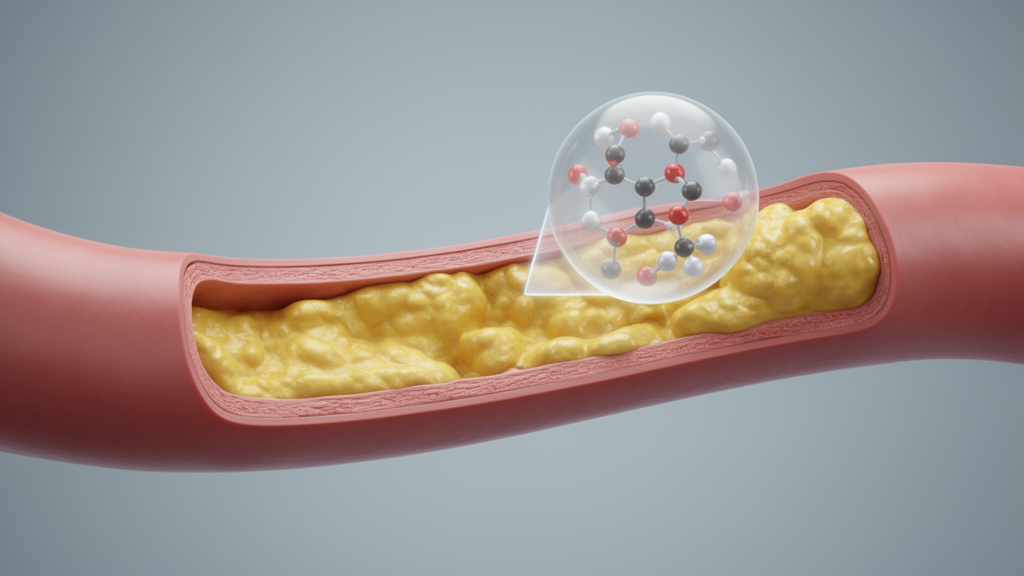
A large observational cohort study involving over 400,000 commercially insured patients in the United States has identified significant gaps in the management of atherosclerotic cardiovascular disease, specifically regarding the initiation of lipid-lowering therapy and the achievement of low-density lipoprotein cholesterol goals. Published in Drugs – Real World Outcomes, the research utilized claims and laboratory data from a major US healthcare insurer to evaluate treatment patterns, medication adherence, and associated healthcare costs among adults diagnosed with atherosclerotic cardiovascular disease between October 2015 and December 2019. The study highlights that despite clinical guidelines recommending aggressive lipid management, a substantial portion of patients either do not receive treatment or fail to reach their therapeutic targets, resulting in higher medical costs and persistent cardiovascular risk.
The study focused on adults aged 18 and older who had a diagnosis of atherosclerotic cardiovascular disease, which includes conditions such as coronary artery disease, ischemic stroke, and peripheral artery disease. Researchers identified 1,683,464 patients with relevant diagnosis codes or procedure codes for coronary revascularization during the enrollment period. From this initial pool, 417,625 patients met the strict criteria for the 12-month follow-up cohort, requiring continuous health plan enrollment for at least 12 months before and after the diagnosis and initiation of lipid-lowering therapy. A smaller cohort of 313,859 patients met the criteria for a 24-month follow-up analysis. The study design was observational, meaning it tracked existing treatment patterns and outcomes without intervening in patient care, allowing for a real-world assessment of how lipid management is implemented in clinical practice.
One of the most striking findings from the analysis was the proportion of patients who did not receive any lipid-lowering therapy within 12 months of their diagnosis. Among patients with 12 months of continuous health plan enrollment following their atherosclerotic cardiovascular disease diagnosis, 35% did not receive lipid-lowering therapy during that period. This finding underscores a significant disconnect between clinical guidelines, which recommend statin therapy for all patients with a clinical diagnosis of atherosclerotic cardiovascular disease, and actual prescribing practices. The researchers noted that while statin intolerance is a known factor, with an estimated prevalence of 9.1%, it does not fully explain the high rate of untreated patients. Other factors, such as concerns about side effects or barriers to access, may contribute to this gap in care.
For the 65% of patients who did receive lipid-lowering therapy, the treatment patterns were heavily skewed toward statin monotherapy. Among those treated, 95.4% received statin monotherapy at the index date, which was defined as the first fill date for lipid-lowering therapy. Ezetimibe monotherapy was prescribed to 1.6% of patients, while anti-proprotein convertase subtilisin/kexin type 9 monoclonal antibody monotherapy was used in only 0.3% of cases. Combination therapies were rare, with statin plus ezetimibe accounting for 2.6% of treated patients. Among those receiving statin monotherapy, the intensity of the prescription varied, with 41.9% receiving high-intensity statins, 51.3% receiving moderate-intensity statins, and 6.8% receiving low-intensity statins. This distribution suggests that while statins are the dominant treatment, the intensity of therapy may not always align with the high-risk status of many atherosclerotic cardiovascular disease patients.
Adherence to prescribed lipid-lowering therapy was suboptimal across all drug classes, defined in the study as a proportion of days covered of 0.80 or higher. In the 12-month cohort, adherence was attained by 66.0% of statin users, 58.0% of ezetimibe users, and 54.9% of anti-PCSK9 monoclonal antibody users. Although the mean proportion of days covered for each category was close to the adherence threshold, the percentage of patients meeting the strict adherence criterion was relatively low. Discontinuation rates, defined as a gap of 60 days or more without restarting the medication, were highest among ezetimibe users, with 24.9% discontinuing by 12 months. Anti-PCSK9 monoclonal antibody users had a discontinuation rate of 22.1% at 12 months, while statin users had the lowest rate at 17.5%. These patterns suggest that maintaining long-term adherence to lipid-lowering therapy remains a challenge for both patients and healthcare providers.
The study also examined the attainment of low-density lipoprotein cholesterol goals, defined as a level below 70 mg/dL for patients at elevated risk. LDL-C data were available for a subset of 38,561 patients in the 12-month cohort, representing 9.2% of the overall treated population. Baseline mean LDL-C measurements ranged from 89.1 mg/dL for statin monotherapy users to 112.3 mg/dL for anti-PCSK9 monoclonal antibody users. By the end of the 12-month follow-up period, the proportion of patients who achieved their LDL-C goal varied significantly by treatment type. Among adherent patients, 25.0% of statin monotherapy users, 13.5% of ezetimibe users, and 37.7% of anti-PCSK9 monoclonal antibody users achieved an LDL-C level below 70 mg/dL. These results indicate that even among patients who adhere to their medication, a large proportion do not reach their therapeutic targets, highlighting the limitations of monotherapy in achieving optimal lipid control for high-risk patients.
Healthcare costs were analyzed in relation to adherence and treatment type, with costs reported as per patient per month and adjusted for 2020 US dollars. The study found that all-cause medical costs were higher in nonadherent patients compared to adherent patients across all lipid-lowering therapy categories during the first 12 months of follow-up. Specifically, atherosclerotic cardiovascular disease-related 12-month medical costs were 30.6% higher in nonadherent patients in all lipid-lowering therapy cohorts, with the exception of ezetimibe, where costs were similar between adherent and nonadherent groups. This trend persisted over the 24-month follow-up period, with nonadherent patients in the overall cohort experiencing 37.5% higher total medical costs than their adherent counterparts.
When total costs, including both medical and prescription expenses, were considered, the relationship between adherence and cost became more nuanced. Adherent statin users had lower all-cause and atherosclerotic cardiovascular disease-related costs than nonadherent statin users. However, adherent ezetimibe and anti-PCSK9 monoclonal antibody users had higher total costs than nonadherent users, primarily due to increased drug utilization and the higher price of these nonstatin therapies. The study emphasizes the importance of considering both the direct costs of medication and the indirect costs of medical care when evaluating the economic impact of lipid-lowering therapy.
The researchers acknowledged several limitations of the study, including the observational design, which precludes causal inferences. LDL-C data were only available for a small subset of the study population, and differences between patients with and without laboratory data were not assessed. Additionally, cost data were not fully available for all patients due to pharmacy carve-out health plans, and some prescriptions may have been processed outside of the health plan, leading to incomplete pharmacy claims. The study also included only patients with continuous enrollment in commercial health insurance plans, which may limit the generalizability of the results to other populations, such as those with Medicare or Medicaid. Furthermore, newer lipid-lowering agents, such as inclisiran and bempedoic acid, were not included in the analysis because they were not widely used during the study period.
Despite these limitations, the study provides valuable insights into the real-world management of atherosclerotic cardiovascular disease. The findings highlight the need for strategies to improve the initiation of lipid-lowering therapy and to enhance patient adherence to prescribed treatments. The high proportion of patients who do not reach their LDL-C goals, even when adherent to therapy, suggests that current treatment approaches may be insufficient for many high-risk patients. The study also underscores the importance of considering the economic implications of treatment decisions, as nonadherence is associated with higher medical costs and potentially worse health outcomes.
Subject of Research: Treatment patterns, adherence, and healthcare costs in US patients with atherosclerotic cardiovascular disease
Article Title: Treatment Patterns and Healthcare-Related Costs in Patients with Atherosclerotic Cardiovascular Disease: Insights from a Large US Healthcare Insurer
Article References: Smith, J. L., N’Dri, L., Jiang, Z., Singhal, M., Cristino, J., & Dahodwala, B. (2026). Treatment Patterns and Healthcare-Related Costs in Patients with Atherosclerotic Cardiovascular Disease: Insights from a Large US Healthcare Insurer. Drugs – Real World Outcomes, 13(3), 339-351. https://doi.org/10.1007/s40801-026-00559-5
Image Credits: AI Generated
DOI: 10.1007/s40801-026-00559-5
Keywords: Atherosclerotic Cardiovascular Disease, Lipid-Lowering Therapy, Statin Adherence, LDL-C Goals, Healthcare Costs, Observational Study, US Healthcare, Cardiovascular Risk, Treatment, Patterns, Healthcare-Related, Costs
News Source: Frances Kline. (November 8, 2026). US Study Finds Persistent Gaps in Heart Disease Lipid Care. Scienmag.