In a groundbreaking advancement in psychiatric neuroimaging, researchers from Chiba University and collaborating institutions in Japan have illuminated a promising pathway toward better understanding and diagnosing Major Depressive Disorder (MDD). The new study leverages the concept of functional connectome (FC) uniqueness—a measure of the distinctiveness within an individual’s brain connectivity patterns—revealing that these unique neural signatures are diminished significantly in people suffering from MDD. This finding offers robust evidence that could refine our clinical approach to depression and herald new avenues for personalized treatment strategies.
Major Depressive Disorder remains one of the most prevalent and debilitating mental health conditions worldwide, affecting over 246 million individuals. Despite its profound impact on quality of life and global healthcare burdens, the neurobiological underpinnings of MDD have been elusive. Previous neuroimaging studies often yielded inconsistent results, largely due to variations in imaging techniques, subject populations, and analytical methods. This inconsistency has impeded the identification of reliable and clinically actionable brain markers for depression.
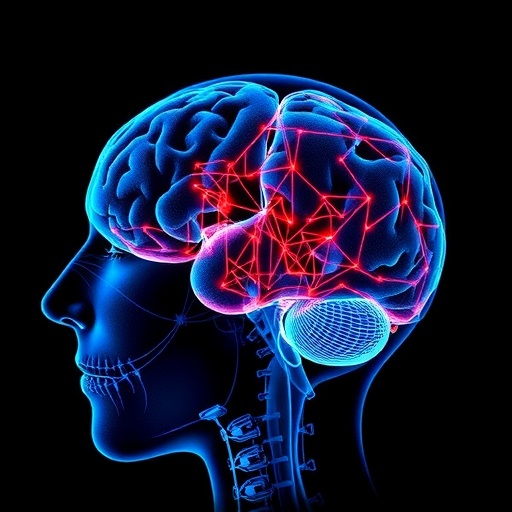
Addressing this challenge, the interdisciplinary team spearheaded by Research Fellow Siti Nurul Zhahara and Professor Yoshiyuki Hirano applied a standardized neuroimaging framework focusing on the uniqueness of functional connectomes. FC uniqueness, sometimes described as “brain fingerprinting,” quantifies how reliably one can identify an individual’s brain based on their distinctive functional connectivity patterns observed during resting-state functional MRI (fMRI). Prior research has established that these unique connectivity patterns are remarkably stable across time and different cognitive states, making them a promising, reproducible index of brain health.
The study analyzed resting-state fMRI data acquired from young adults diagnosed with MDD as well as healthy control participants, pooled from multiple research sites to ensure robustness and generalizability. Confirming prior knowledge, healthy brains exhibited high FC uniqueness, reliably distinguishable from others owing to their individualized connectivity “fingerprints”. Conversely, patients with MDD demonstrated a marked reduction in FC uniqueness, particularly evident within the frontoparietal and sensorimotor networks—key circuits involved in cognitive control, emotion regulation, and motor functions.
A pivotal aspect of this investigation was correlating the degree of FC uniqueness with clinical measures of depressive symptom severity. Using standardized depression scales such as the Patient Health Questionnaire (PHQ-9) and Beck Depression Inventory-II (BDI-II), the researchers uncovered a significant negative correlation: lower FC uniqueness directly corresponded with more severe depressive symptomatology. This association highlights FC uniqueness not only as a biomarker of disease presence but also of clinical state and possibly progression.
Professor Hirano emphasized the profound implications of these findings: “Our results suggest that the pathology of depression is mirrored in a less distinctive functional brain organization across the entire brain. This diminished individuality in brain connectivity may underlie the cognitive and emotional deficits observed in MDD.” Unlike prior approaches that focused on isolated brain regions or networks, the whole-brain perspective adopted here provides a more integrated understanding of MDD’s complex neurobiology.
From a technical standpoint, the study utilized cutting-edge imaging analysis techniques allowing for high-resolution characterization of the brain’s functional connectome. Advanced computational algorithms quantified uniqueness by measuring the similarity of an individual’s connectivity patterns within and across sessions, controlling for confounding factors such as head motion and scanner differences. This methodological rigor enhances the reliability of FC uniqueness as a biomarker and sets a standard for future neuroimaging research in psychiatric disorders.
The implications of this research extend far beyond diagnostics. Reduced FC uniqueness could become a crucial clinical tool for monitoring treatment response, enabling clinicians to tailor interventions based on the patient’s evolving brain connectivity profile. Personalized psychiatry, an emerging paradigm, aims to move away from the one-size-fits-all treatment model toward more precise, biologically informed therapies. FC uniqueness might serve as an objective metric guiding such transformative clinical decisions.
Additionally, these findings provoke new questions about the pathophysiological mechanisms leading to reduced connectome individuality in depression. Does the loss of functional uniqueness result from disrupted neurodevelopmental trajectories, neuroinflammation, or maladaptive neuroplasticity? Ongoing longitudinal studies and multimodal imaging—including integration with structural MRI, diffusion tensor imaging, and molecular modalities—will be key to unraveling these mechanistic questions.
The study’s multi-institutional collaboration, spanning Chiba University, Osaka University, Hiroshima University, and others, showcases the power of cross-disciplinary partnerships and large-scale data sharing in tackling complex mental health conditions. Furthermore, the utilization of standard imaging protocols and harmonized analytical pipelines across sites minimizes methodological variability that plagued previous studies, thus enabling more reproducible and clinically actionable insights.
The research was generously supported by Japan’s AMED Brain/MINDS Beyond Program and JSPS KAKENHI grants, highlighting the importance of sustained investment in neuropsychiatric research. As Professor Hirano reflects, “This work exemplifies how integrating advanced neuroimaging methodologies with clinical neuroscience can push the boundaries of our understanding and treatment of mood disorders.”
As mental health disorders continue to impose heavy societal and economic burdens globally, innovations like the identification of FC uniqueness as a neuroimaging marker are critical. They hold promise not only for improving diagnostic precision but also for fostering novel therapeutic avenues, optimizing patient outcomes, and ultimately alleviating the human toll of depression.
In conclusion, this study marks a significant leap forward in the quest for objective, reproducible brain-based markers of Major Depressive Disorder. By quantifying how uniquely the brain’s functional architecture is organized in health and disease, researchers have opened a new frontier in clinical neuroscience, with meaningful implications for personalized medicine. The continued exploration of the functional connectome’s individuality may well transform psychiatric care in the coming decades.
Subject of Research: People
Article Title: Reduced functional connectome uniqueness on the whole brain and network levels as a clinically relevant and reproducible neuroimaging marker in major depressive disorder
News Publication Date: 15-Apr-2026
References:
Siti Nurul Zhahara, Yusuke Sudo, Kohei Kurita, Eri Itai, Toshiharu Kamishikiryo, Hitomi Kitagawa, Tokiko Yoshida, Junbing He, Rio Kamashita, Yuko Isobe, Yuki Ikemizu, Koji Matsumoto, Go Okada, Eiji Shimizu, Yoshiyuki Hirano. Journal of Affective Disorders, Volume 399, April 15, 2026. DOI: 10.1016/j.jad.2025.121073
Image Credits:
Research Fellow Siti Nurul Zhahara and Professor Yoshiyuki Hirano, Chiba University, Japan
Keywords: Depression, Major depressive disorder, Functional connectome uniqueness, Brain fingerprinting, Resting-state fMRI, Neuroimaging, Biomarkers, Frontoparietal networks, Sensorimotor networks, Diagnostic imaging, Psychiatric neuroimaging, Personalized medicine
Tags: brain connectivity patternsbrain fingerprinting in mental healthclinical diagnosis of depressionfunctional connectome uniquenessglobal burden of Major Depressive Disorderinterdisciplinary research in psychiatrymajor depressive disorder researchneurobiological markers for MDDpersonalized treatment strategies for depressionpsychiatric neuroimaging advancementsstandardized neuroimaging frameworkunderstanding depression through neuroimaging