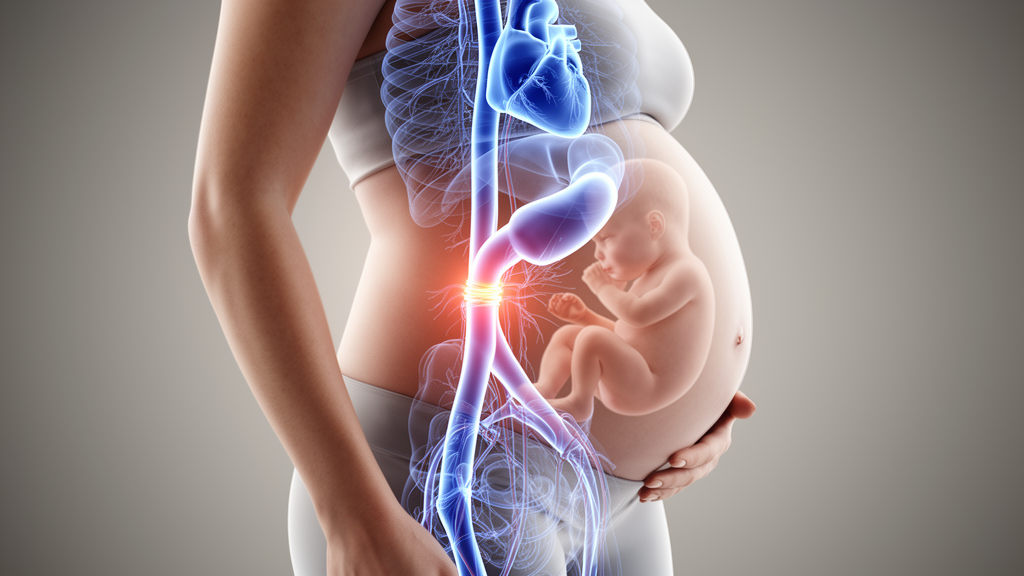
A retrospective cohort study published in BMC Cardiovascular Disorders reports that pregnant women with unrepaired coarctation of the aorta (CoA) experience significantly higher rates of obstetric complications compared to those with repaired CoA. The PEARL study, conducted at a large single-center tertiary cardiovascular hospital, analyzed data from 2010 to 2024 to compare maternal cardiovascular, obstetric, and fetal outcomes. The findings indicate that while severe cardiovascular events remained rare in both groups, the unrepaired group faced a distinct burden of hypertension-related adverse events, highlighting the clinical importance of early diagnosis and timely repair.
Coarctation of the aorta poses a unique challenge during pregnancy, with limited evidence on management, particularly in patients with unrepaired CoA.
The study included a total of 157 pregnancies, divided into two primary groups: 103 pregnancies with unrepaired CoA and 54 with repaired CoA. The median maternal age at the time of pregnancy was 28 years, with an interquartile range of 24 to 33 years. Researchers utilized clinical data from electronic medical records to assess a wide range of complications, including maternal cardiovascular issues, obstetric difficulties, and fetal outcomes.
To account for potential confounding variables, the analysis employed penalized regression models. Adjusted odds ratios were reported for clinically relevant confounders.
The results revealed that maternal cardiovascular, obstetric, and fetal complications occurred in 22.3%, 23.6%, and 17.2% of pregnancies, respectively. Major adverse cardiac events were infrequent, occurring in only 5.1% of cases, and all were nonfatal. Composite maternal cardiovascular and obstetric outcomes occurred more frequently in the unrepaired group. Specifically, composite cardiovascular outcomes occurred in 30 (29%) versus 5 (9%) pregnancies, and composite obstetric outcomes occurred in 31 (30%) versus 6 (11%).
Hypertension-related complications emerged as the primary driver of the increased risk in the unrepaired group. The rate of hospitalization for uncontrolled hypertension was markedly higher, affecting 26% of the unrepaired group versus 4% of the repaired group. Additionally, gestational hypertension was observed in 20% of women with unrepaired CoA, while no cases were recorded in the repaired group.
The incidence of preterm labor was 14.6% for women with unrepaired CoA, compared to 3.7% for those with repaired CoA. In contrast, composite fetal outcomes were similar between the two groups, with 18% of the unrepaired group and 15% of the repaired group experiencing such events.
The study concludes that pregnant women with unrepaired CoA show a trend toward higher maternal cardiovascular complications and significantly higher obstetric complications compared to those with repaired CoA. The elevated risk is primarily attributed to increased hypertension-related adverse events. Although severe cardiovascular events were rare, the overall burden of complications emphasizes the need for early diagnosis and timely repair of coarctation of the aorta.
Subject of Research: Pregnancy outcomes in patients with repaired versus unrepaired coarctation of the aorta
Article Title: Pregnancy-related outcomes in patients with repaired versus unrepaired coarctation of the aorta: the PEARL retrospective cohort study
Article References: Yadollahi, M., Babaei, M., Montazeri Namin, S., Ghadakkar, N., Sabri, M., Shafiee Ardestani, S., Kashfi, F., Bakhshandeh, H., Daliri, M., Samiei, N., Kyavar, M., Fraisse, A., & Sadeghipour, P. (2026). Pregnancy-related outcomes in patients with repaired versus unrepaired coarctation of the aorta: the PEARL retrospective cohort study. BMC Cardiovascular Disorders. https://doi.org/10.1186/s12872-026-06925-z
Image Credits: AI Generated
DOI: 10.1186/s12872-026-06925-z
Keywords: coarctation of the aorta, pregnancy outcomes, cardiovascular health, retrospective cohort study, obstetric complications, hypertension, congenital heart disease, maternal health, Pregnancy-related, outcomes, patients, repaired
News Source: Harold Sullivan. (November 9, 2026). Unrepaired Aortic Coarctation Linked to Higher Pregnancy Risks. Scienmag.