In a groundbreaking study set to revolutionize the understanding of antiepileptic medication complications, researchers Almudhry and Mir have unveiled a compelling potential explanation behind the enigmatic brain abnormalities observed in magnetic resonance imaging (MRI) scans of patients treated with vigabatrin. Vigabatrin, widely prescribed for infantile spasms and refractory epilepsy, has long been shadowed by reports of distinct white matter changes on MRI, yet the underlying pathophysiological mechanisms remained elusive. This new research, published in Pediatric Research, sheds light on the molecular and cellular derangements that may underlie these imaging anomalies, offering hope for targeted mitigation strategies.
At the core of this study is the intricate biochemical landscape shaped by vigabatrin’s mechanism of action. Known to irreversibly inhibit GABA transaminase, vigabatrin effectively increases gamma-aminobutyric acid (GABA) levels in the brain, thereby exerting its anticonvulsant effects. However, the study highlights that this pharmacological elevation of GABA, while crucial for seizure control, also disrupts a delicate balance of inhibitory and excitatory neurotransmission and significantly alters neurochemical homeostasis. These neurochemical perturbations are hypothesized to contribute to the structural brain changes captured via MRI.
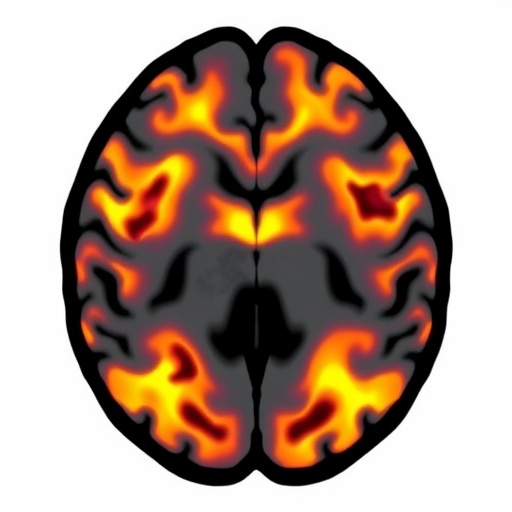
The research team employed advanced neuroimaging techniques alongside meticulous biochemical analyses to map changes occurring in white matter tracts. Vigilant observation revealed that vigabatrin exposure correlates with specific diffusion abnormalities, predominantly within the periventricular white matter regions. These regions, integral for neural connectivity and signal propagation, exhibited signs consistent with intramyelinic edema rather than outright demyelination, a distinction pivotal for understanding reversibility and clinical implications.
Delving deeper, Almudhry and Mir proposed a model implicating vigabatrin-induced osmotic imbalances within myelin sheaths, which could cause myelin swelling. This theory builds on prior understandings but uniquely links elevated GABA levels to disruption of astrocyte function and water homeostasis, culminating in the MRI-visible abnormalities. Specifically, alterations in the astroglial uptake of neurotransmitters and aquaporin channel regulation are suspected to play a vital role in this process, amplifying the intracellular-extracellular fluid shifts that manifest as edematous changes.
Beyond the cellular scope, this study’s implications reverberate through clinical practice. Physicians prescribing vigabatrin may need to reassess risk-benefit profiles, especially in vulnerable pediatric populations. By clarifying the pathophysiology, this research sets the stage for refined monitoring protocols, potentially advocating for earlier neuroimaging during treatment courses and fostering development of adjunctive therapies aimed at protecting white matter integrity without compromising vigabatrin’s antiseizure efficacy.
The investigators caution that despite these insights, the brain abnormalities identified do not invariably translate into overt clinical deficits. Many patients harboring such MRI changes remain neurologically stable, suggesting a dissociation between imaging findings and functional impact. Nonetheless, the fine balance between therapeutic advantage and possible neurotoxicity necessitates vigilance, emphasizing that neuroimaging should be integrated into routine surveillance to detect subclinical alterations before they potentially evolve into symptomatic pathology.
Intriguingly, the study also opens avenues into the broader impact of altered GABA dynamics on neural circuitry development during critical windows in infancy and early childhood. The subtle disruptions in inhibitory tone and associated osmotic stress may have profound, yet subtle, consequences on synaptic pruning, myelin maturation, and long-term cognitive trajectories. These insights could galvanize longitudinal cohort studies designed to map neurodevelopmental outcomes against observed MRI changes in vigabatrin-treated infants.
At a molecular biology level, Almudhry and Mir’s research underscores the need to explore the mechanistic crosstalk between neurotransmitter metabolism and glial cell function. The dual role of astrocytes as metabolic buffers and mediators of ion and water homeostasis emerges as a focal point for subsequent investigations. Modulating astroglial responses or stabilizing aquaporin channel activity could become therapeutic targets, mitigating MRI-detectable changes and optimizing patient safety profiles.
The study also provides a platform to reexamine existing neuroprotective strategies in epilepsy management. It invites a reconsideration of adjuvant therapies that can counteract aberrant osmotic shifts. Potential pharmacological agents that regulate astrocyte swelling or improve myelin resilience may complement vigabatrin therapy, representing a paradigm shift from symptom suppression toward preservation of brain structural integrity.
Moreover, this research highlights the critical importance of personalized medicine frameworks. Genetic predispositions influencing GABA metabolism, aquaporin channel function, or myelin ultrastructure might determine patient susceptibility to vigabatrin’s adverse imaging effects. Future genetic screening could identify high-risk individuals, allowing tailored treatment plans and vigilant monitoring.
Almudhry and Mir’s article ultimately challenges the epilepsy research community to unravel the complex interplay of neurochemistry, glial biology, and neuroimaging biomarkers. Their findings spark a transformative dialogue about optimizing epilepsy treatment, balancing potent anticonvulsant effects with minimal neuroanatomical alterations. This stride forward is poised to influence clinical protocols, drug development, and patient counseling worldwide.
The research’s publication in Pediatric Research underscores its relevance to pediatric neurology practice but also invites cross-disciplinary exploration. Radiologists, neurologists, neuroscientists, and pharmacologists alike are called upon to integrate these novel insights into their frameworks, fostering a multidisciplinary approach for tackling the delicate pathophysiology laid bare by vigabatrin use.
In conclusion, the elucidation of vigabatrin-associated brain abnormalities marks a pivotal moment in epilepsy treatment, where imaging findings are now being decoded at a molecular and cellular level. Almudhry and Mir’s investigative rigor not only demystifies previously inexplicable MRI changes but also charts a roadmap toward safer, more effective epilepsy therapeutics—an advance with profound implications for patients and caregivers alike.
Subject of Research: Potential explanation of the pathophysiology behind vigabatrin-associated brain abnormalities observed on MRI.
Article Title: A potential explanation of the pathophysiology of vigabatrin-associated brain abnormalities on MRI.
Article References: Almudhry, M., Mir, A. A potential explanation of the pathophysiology of vigabatrin-associated brain abnormalities on MRI. Pediatr Res (2025). https://doi.org/10.1038/s41390-025-04606-9
Image Credits: AI Generated
DOI: 10.1038/s41390-025-04606-9 (Published 01 December 2025)
Tags: advanced neuroimaging techniquesanticonvulsant medication side effectsantiepileptic medication complicationsGABA transaminase inhibitioninfantile spasms treatmentmolecular mechanisms of vigabatrinneurochemical homeostasis disruptionPediatric Research findingsrefractory epilepsy managementtargeted mitigation strategies for medication effectsVigabatrin brain MRI abnormalitieswhite matter changes in MRI