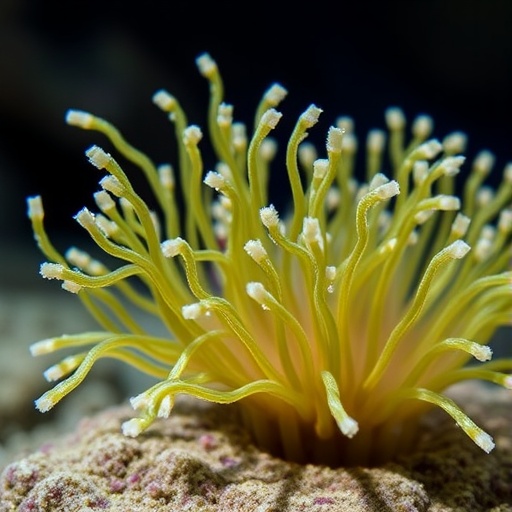
In the depths of our oceans lies a fascinating synergy between unique life forms that has captured the attention of microbiologists and ecologists alike. Recent research conducted by Ismet, M.S., Aprilia, S., Bengen, D.G., and colleagues has illuminated the complex interactions occurring between symbiotic bacteria found in seagrass-associated sponges and biofilm-forming bacteria. This groundbreaking study promises to expand our understanding of marine ecosystems while highlighting the significance of microbial interactions in broader ecological contexts.
Seagrass ecosystems are critical to marine environments, acting as essential habitats for numerous organisms, including fish and invertebrates. One of the remarkable inhabitants of these ecosystems is the seagrass-associated sponge. These sponges rely heavily on their symbiotic relationships with bacteria, which help them in nutrient acquisition and protection against pathogens. The dynamic interplay between the sponges and their bacterial companions is a focal point of this new research, providing insights into their vital roles in the nutrient cycling processes within seagrass meadows.
Symbiotic relationships in marine environments are often multifaceted and encompass a variety of interactions, including mutualism, commensalism, and parasitism. Within this research, the authors delve into the mutualistic relationships that exist between sponges and their symbiotic bacteria. This specific interaction promotes the growth and health of both the sponge and its bacterial counterparts. By employing advanced microbiological techniques, the team was able to identify and characterize the diverse bacterial communities residing within the sponges, thereby revealing the intricacies of these interactions.
The study utilized molecular techniques such as DNA sequencing to uncover the genetic diversity of bacterial communities. By comparing the bacterial profiles of sponges with and without biofilm-forming bacteria, the researchers provided compelling evidence of how these biofilms influence the sponge microbiome. The research highlights the intricate selection pressures that bacteria impose on one another, ultimately shaping the microbiomes of both sponges and biofilm communities. This aspect of the research offers a deeper understanding of microbial ecology and the potential implications for ecosystem health.
One of the most intriguing findings from this investigation is the significant role that biofilm-forming bacteria play in enhancing the performance of sponges. Biofilms are structured communities of bacteria that adhere to surfaces in aquatic environments. They are known to contribute to nutrient cycling and can provide a protective habitat for various microorganisms. The symbiotic relationship between sponges and biofilm-forming bacteria may allow sponges to maximize their nutrient uptake while minimizing the risk of pathogen invasion, a win-win situation in marine ecology.
Moreover, the research uncovered specific bacterial taxa that demonstrate a strong association with seagrass-associated sponges. This identification of keystone bacterial species opens up new avenues for investigating their ecological roles and potential biotechnological applications. The importance of these microbes extends beyond their immediate environment; they may also have implications for human health and environmental sustainability, laying the groundwork for future studies aimed at harnessing their beneficial properties.
In addition to enhancing our understanding of sponge biology, the findings contribute to the broader field of microbial ecology. The intricate interactions between bacteria and eukaryotic hosts such as sponges serve as models for numerous other symbiotic relationships in different ecosystems. By elucidating these complexities, researchers can begin to piece together the larger tapestry of life’s interconnections in marine environments.
This study is a crucial reminder of how little we still understand about the ocean’s microbiomes, despite their significance in global nutrient cycles and ecosystem health. The implications of this research extend to conservation efforts aimed at preserving seagrass meadows, which are facing numerous anthropogenic threats, including pollution and climate change. Protecting these delicate ecosystems will be essential not only for maintaining biodiversity but also for ensuring that the beneficial roles these microorganisms play are preserved.
Furthermore, the findings hold promise for applied environmental sciences. Understanding the relationships between sponges and their associated bacteria could inform bioremediation strategies in polluted marine environments. Through the manipulation of these microbial communities, it may be possible to enhance the natural resilience of marine ecosystems against environmental stressors.
Ultimately, this research highlights the profound interconnectedness of life in marine systems, emphasizing how looking closely at microbial interactions can unveil broader ecological truths. As scientists continue to refine their methodologies and unravel the complexities of these relationships, we can expect even more exciting discoveries in the realm of marine microbiology and ecology.
In conclusion, this significant research effort enhances our understanding of the intricate relationships between symbiotic bacteria and seagrass-associated sponges. The insights gained from this study not only contribute to the field of microbiology but also stress the importance of interdisciplinary approaches in addressing the challenges facing our oceans. This work sets the stage for future inquiries that will undoubtedly continue to explore the vital roles of microorganisms in maintaining the health and stability of marine ecosystems.
Subject of Research: Interactions between symbiotic bacteria from seagrass-associated sponges and biofilm-forming bacteria.
Article Title: Exploring the interaction between symbiotic bacteria from seagrass-associated sponges and biofilm-forming bacteria.
Article References:
Ismet, M.S., Aprilia, S., Bengen, D.G. et al. Exploring the interaction between symbiotic bacteria from seagrass-associated sponges and biofilm-forming bacteria.
Int Microbiol (2026). https://doi.org/10.1007/s10123-025-00773-1
Image Credits: AI Generated
DOI: 02 January 2026
Keywords: Symbiotic bacteria, seagrass ecosystems, marine microbiology, sponge-bacterial interactions, biofilm, microbial ecology, environmental sustainability.
Tags: biofilm-forming bacteria in oceansecological roles of seagrass ecosystemsecological significance of seagrass habitatsimplications for marine conservationmarine microbiology studiesmicrobial interactions in seagrass meadowsmutualism in marine biologynutrient cycling in marine environmentsseagrass-associated sponge interactionssponge-bacteria symbiosis researchsymbiotic bacteria in spongessymbiotic relationships in marine ecosystems