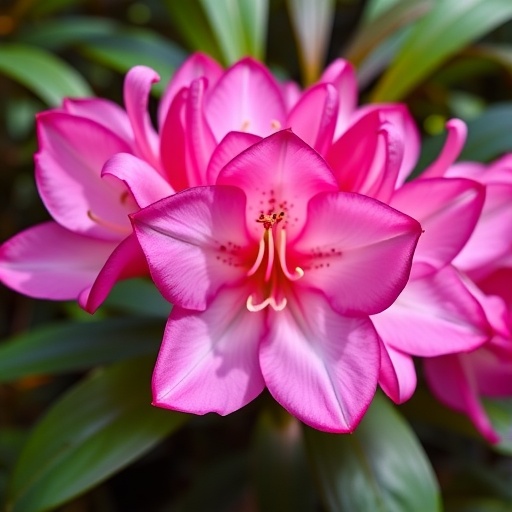
In a groundbreaking study soon to be published in BMC Genomics, a team of researchers led by Ma, HY et al. delves deep into the intricate world of Rhododendron species, focusing on how their genomic diversity correlates to the stunning variations in flower color. This comprehensive investigation unveils a pangenomic landscape that not only highlights the evolutionary distinctions among various Rhododendron species but also sheds light on the genetic underpinnings that dictate their vibrant hues. By employing advanced genomic sequencing techniques, the study aims to elevate our understanding of plant diversity and adaptation in the context of climate change and environmental pressures.
Rhododendrons, a diverse group of flowering plants known for their magnificent blooms, present an intriguing case study in evolutionary biology. With over 1,000 species spread across mountainous areas of the Northern Hemisphere, these plants are not just visually captivating but biologically significant. They exhibit a remarkable range of flower colors, spanning shades from white and cream to the most vibrant reds and purples. This study endeavors to explore the genetic variations that contribute to this floral diversity, posing vital questions about the evolutionary processes at play.
The researchers adopted a pangenomic approach in this study, which is essential for understanding the full spectrum of genetic variation within and across Rhododendron species. Unlike traditional genomic studies that often focus on a single reference genome, pangenomics encompasses the complete set of genes found across multiple individuals of a species. This method provides a more inclusive view of genetic diversity, offering insights into allelic variation that may drive phenotypic differences, including those vividly colored flowers that captivate gardeners and botanists alike.
To construct the pangenome of Rhododendron species, the team gathered genomic data from various taxa, representing a significant portion of the genus. This collection enabled the researchers to identify not only common genes but also unique sequences exclusive to certain lineages, thus mapping the evolutionary trajectories within the group. The researchers employed advanced bioinformatics tools to analyze the data, ensuring a comprehensive understanding of both conserved and divergent genomic regions associated with flower color.
One of the key findings of this research is the identification of gene families that are significantly associated with pigmentation in flowers. By leveraging transcriptomic and genomic data, the study pinpoints specific genes such as those involved in flavonoid biosynthesis, which are crucial to the coloration of flower petals. Understanding which genes dictate these color variations can provide a molecular basis for breeding programs aimed at enhancing ornamental qualities in horticultural practices.
Beyond practical applications in horticulture, the research also contributes to our broader understanding of plant adaptation and evolution. The genetic variations that result in diverse flower colors reflect the different ecological niches that Rhododendron species occupy. This adaptation is not merely aesthetic; it plays a crucial role in pollinator attraction and thus in the reproductive success of these plants. Furthermore, as environmental conditions shift due to climate change, the ability of Rhododendrons to adapt genetically may be critical for their survival and propagation.
The implications of this research extend into conservation biology as well. With many Rhododendron species facing threats from habitat loss and climate change, understanding their genetic diversity is essential for developing effective conservation strategies. The insights gained from this pangenomic analysis could inform genetic management practices, ensuring that conservation efforts maintain the genetic integrity and adaptive potential of these ecologically significant plants.
Moreover, this research aligns with ongoing global efforts to document plant biodiversity and genomic variation in the face of rapid environmental shifts. As scientists increasingly utilize genomic approaches to study the genetic architecture of diverse plant lineages, the findings from Ma et al. will undoubtedly serve as a valuable reference point for future studies in plant evolutionary biology.
The study also highlights the collaborative nature of modern scientific research, emphasizing the contributions of multiple institutions and disciplines. With genomicists, horticulturists, and ecologists working together, the research exemplifies how interdisciplinary approaches can lead to richer and more nuanced understandings of complex biological phenomena.
As findings continue to emerge from pangenomic studies, the Rhododendron project serves as a reminder of the incredible diversity present within the natural world. While flowers may seem like simple objects of beauty, their genomic secrets hold the key to survival tactics that have evolved over millennia. This study not only aims to unravel those secrets but also inspires further inquiry into the genetic foundations of other flowering plants that contribute to our planet’s biodiversity.
In summary, the research led by Ma and colleagues lays a solid foundation for future investigations into plant genetics and the evolutionary mechanisms behind one of nature’s most colorful displays. The insights gained through this pangenomic study reveal not only the complexity of Rhododendron genomes but also the overarching patterns of plant evolution. As we advance our understanding of these processes, we can better appreciate the intricate relationships between genetics, morphology, and the environment within the floral kingdom.
In the weeks to come, researchers and enthusiasts alike will be eagerly anticipating the full publication of this important work, which promises to shape the discourse around plant genetics and conservation for years to come. With the knowledge gleaned from this study, we are better equipped to understand and preserve the natural beauty that Rhododendron species bring to our gardens and ecosystems. The upcoming article is set to make waves in the scientific community, providing a benchmark for future studies in plant genomics and biodiversity.
Subject of Research: Pangenome analysis of genetic diversity and flower color variation in Rhododendron species.
Article Title: A pangenome insight into the genome divergence and flower color diversity among Rhododendron species.
Article References:
Ma, HY., Nie, S., Liu, HB. et al. A pangenome insight into the genome divergence and flower color diversity among Rhododendron species. BMC Genomics (2026). https://doi.org/10.1186/s12864-025-12461-5
Image Credits: AI Generated
DOI:
Keywords: Pangenomics, Rhododendron, Flower color diversity, Genetic variation, Evolutionary biology, Conservation, Genomic sequencing.
Tags: adaptation of plants to climate changeadvanced genomic analysis in horticulturecomprehensive study of plant diversityenvironmental pressures on plant geneticsevolutionary biology of Rhododendronflower color diversity in plantsgenetic variations in flowering plantsgenomic sequencing techniques in botanyRhododendron pangenome researchRhododendron species and habitatsRhododendron species evolutionsignificance of flowering plants in ecosystems