A groundbreaking study published in Nature Communications in 2026 has unveiled critical insights into the mechanisms underlying resistance to SC83288, a promising antimalarial candidate, in Plasmodium falciparum. This research, conducted by Sanchez, Duffey, Celada, and their colleagues, thoroughly explores how inhibition of PfDNMT2 and mutations mediated by PfATP6 confer drug resistance, providing a new perspective on malaria treatment strategies and the molecular interplay driving parasite survival.
Malaria remains one of the world’s deadliest infectious diseases, with Plasmodium falciparum responsible for the most severe cases. Novel antimalarial agents such as SC83288 have recently shown significant efficacy in vitro and in preclinical studies. However, understanding how P. falciparum develops resistance to these agents is paramount to prolonging their clinical viability. The research team delves into the dual-edged nature of PfDNMT2 inhibition and PfATP6 mutation, highlighting a sophisticated parasite adaptation mechanism that nullifies the antimalarial effects of SC83288.
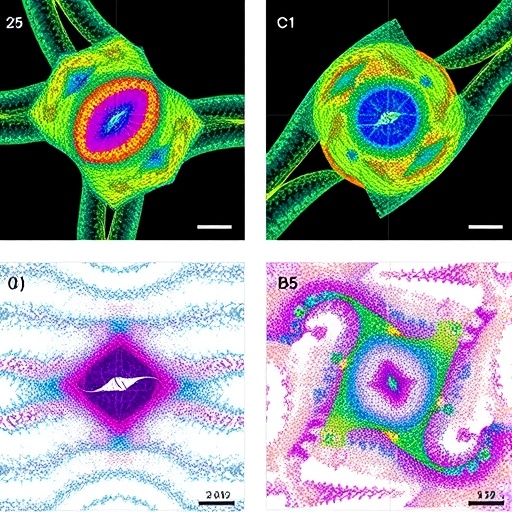
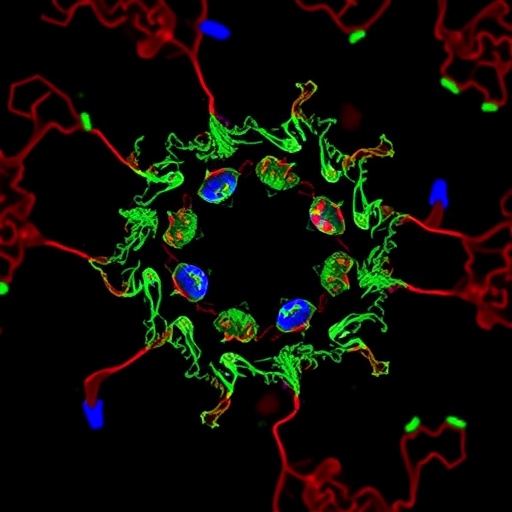
PfDNMT2, a unique DNA methyltransferase in P. falciparum, has been a subject of interest due to its pivotal role in epigenetic regulation within the parasite. The study confirms that SC83288 directly inhibits PfDNMT2’s enzymatic activity, impairing the parasite’s ability to regulate gene expression crucial for survival and replication. This inhibition impairs the parasite’s lifecycle, thereby marking PfDNMT2 as a potent drug target. The researchers employed a combination of biochemical assays and crystallographic studies to delineate the interaction interface between SC83288 and PfDNMT2, revealing key binding residues essential for drug efficacy.
Yet, this promising drug target is not invincible. The parasite’s capacity for resistance was found to be intricately linked to mutations in another protein, PfATP6. PfATP6 is an ATPase involved in calcium transport and homeostasis, a process crucial for parasite viability and cellular signaling. Mutations in PfATP6 lead to altered calcium fluxes that counterbalance the detrimental effects of PfDNMT2 inhibition. This compensatory mechanism effectively allows resistant parasites to bypass the lethal impact of SC83288.
By combining functional genomics and proteomic analyses, the study traced the evolutionary trajectory of resistance, revealing that PfATP6 mutations arise as a secondary defense mechanism to preserve parasite fitness. These mutations alter the conformation and activity of the ATPase, thereby mitigating the impact of impaired DNA methylation caused by drug binding to PfDNMT2. This discovery underlines the complex, multifactorial nature of antimalarial resistance beyond classic target modification or drug efflux paradigms.
In molecular terms, the resistance phenotype is predominantly driven by specific amino acid substitutions in the transmembrane domains of PfATP6, which modulate calcium ion transport. These structural shifts affect downstream signaling pathways that compensate for the loss of transcriptional control induced by PfDNMT2 inhibition. Intriguingly, the researchers showed that restoring calcium homeostasis through PfATP6 mutations facilitates the parasite’s survival under drug pressure.
This dual resilience mechanism opens exciting avenues for drug development: combining PfDNMT2 inhibitors with agents that target PfATP6 or disrupt calcium homeostasis may thwart resistance development. The research proposes a novel therapeutic strategy entailing synergistic drug combinations to simultaneously target parasite epigenetic machinery and calcium transport systems, potentially elevating antimalarial efficacy.
Employing state-of-the-art gene editing tools such as CRISPR-Cas9, the team generated isogenic parasite lines harboring PfATP6 mutations. These mutant lines exhibited enhanced resistance to SC83288 compared to wild-type parasites, confirming the causative role of these mutations in drug tolerance. Complementary biochemical assays further established that PfDNMT2 enzymatic activity is diminished in both resistant and susceptible strains when exposed to SC83288, underscoring that resistance is mediated by PfATP6 rather than active site mutations in PfDNMT2.
Structural modeling combined with molecular dynamics simulations provided atomistic insights into how SC83288 fits into the active site of PfDNMT2, blocking its methyltransferase function. Concurrently, simulations of PfATP6 mutants demonstrated altered transmembrane dynamics, hinting at subtle yet significant changes in ion transport kinetics. This integrative approach synthesizes biochemical data with computational predictions to foster a comprehensive understanding of drug resistance emergence.
The findings carry profound implications for malaria eradication efforts. With resistance to frontline therapies like artemisinin already posing challenges globally, new drugs such as SC83288 are vital. However, this research underscores the inevitability of resistance and stresses the importance of anticipating resistance mechanisms when designing next-generation antimalarials. Insights into PfDNMT2 and PfATP6 function could shape future surveillance protocols tracking resistance mutations in field isolates, enabling preemptive action.
Moreover, the study highlights the intricate biological crosstalk within P. falciparum that permits adaptive responses to pharmacological stresses. The parasite’s ability to rewire its epigenetic and ion transport systems showcases evolutionary ingenuity, reaffirming why malaria remains a formidable foe. Understanding these pathways in finer detail is crucial for developing robust infection control strategies and designing drugs that are less prone to resistance.
In conclusion, the Sanchez et al. work presents a compelling narrative on the molecular mechanisms of SC83288 resistance. Through elucidation of PfDNMT2 inhibition and PfATP6 mutation interplay, this research delineates a novel multidimensional resistance strategy employed by P. falciparum. This paradigm fosters new perspectives on antimalarial drug design that anticipate adaptive countermeasures, ultimately guiding future therapeutic innovation and resistance management.
The study further advocates for comprehensive integration of genomic, biochemical, and structural biology tools in malaria research. Such interdisciplinary approaches are essential for mapping the complexity of parasite biology and pharmacology, ensuring that the development of antimalarials stays a step ahead in this evolutionary arms race. With malaria continuing to claim hundreds of thousands of lives annually, breakthroughs like this signify hope that science can outmaneuver parasite resistance mechanisms.
Looking ahead, translating these findings into clinical practice will require validation in malaria-endemic regions and incorporation into drug development pipelines. Optimized drug regimens informed by resistance mechanisms could extend the lifespan of SC83288 and related compounds. Additionally, combining PfDNMT2 and PfATP6 targeting with new molecular entities may establish multidrug combinations with durable efficacy, curbing the spread of resistant P. falciparum strains.
As this research progresses, it also opens a broader discourse on parasite biology—how epigenetic regulators and ion transporters coalesce to drive survival under adverse conditions. Such knowledge enriches our understanding of malaria pathogenesis and equips the global scientific community with critical insights for tackling one of humanity’s oldest and deadliest diseases.
Subject of Research: Mechanisms of drug resistance in Plasmodium falciparum, focusing on PfDNMT2 inhibition and PfATP6-mediated resistance to SC83288.
Article Title: Mechanisms of PfDNMT2 inhibition and PfATP6-mediated resistance to the antimalarial candidate SC83288 in Plasmodium falciparum.
Article References:
Sanchez, C.P., Duffey, M., Celada, R.V. et al. Mechanisms of PfDNMT2 inhibition and PfATP6-mediated resistance to the antimalarial candidate SC83288 in Plasmodium falciparum. Nat Commun (2026). https://doi.org/10.1038/s41467-026-70280-y
Image Credits: AI Generated
Tags: antimalarial resistance pathwaysdrug resistance in malaria parasitesepigenetic enzymes in malariamalaria parasite epigenetic regulationmolecular mechanisms of malaria survivalnovel antimalarial drug targetsPfATP6 mutation effectsPfDNMT2 inhibition mechanismPfDNMT2 role in parasite lifecyclePlasmodium falciparum drug resistancePlasmodium falciparum gene expressionSC83288 antimalarial resistance