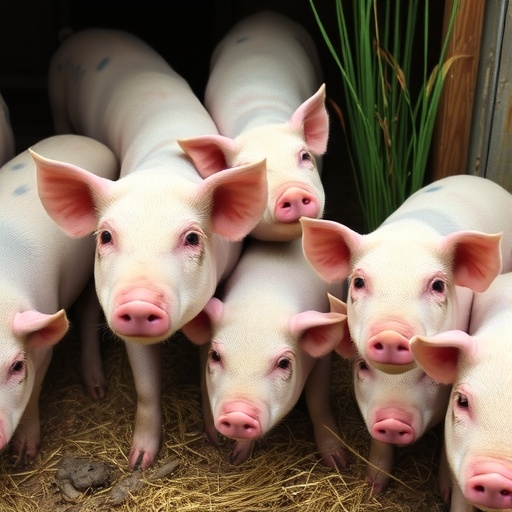
In a groundbreaking study, researchers delved into the genomic characteristics of Jiangxi indigenous pigs, revealing significant insights about their population structure, genetic diversity, and vital traits. The research, spearheaded by Ji, H., Wang, Y., and Zhou, Q., presents an unprecedented opportunity to understand the genetic foundations that define this local breed’s unique adaptations and resilience. This work addresses the critical intersection of genomics and traditional agriculture, showcasing how modern genetic analysis can inform sustainable breeding practices.
The Jiangxi indigenous pig, a breed native to the Jiangxi province in China, has garnered attention for its hardiness and adaptability to local farming conditions. This study sheds light on the implications of maintaining genetic diversity within livestock populations, particularly as agricultural practices face the pressures of climate change and an increasing global population. By mapping the genomic landscape of these pigs, the researchers have provided a genetic blueprint that can guide conservation efforts and improve breeding strategies.
Through advanced genomic sequencing technology, the research team analyzed the genetic data from a significant number of Jiangxi indigenous pigs. Their results revealed a complex population structure that reflects the historical breeding practices and environmental conditions familiar to this breed. The intricate web of genetic relationships identified through this study highlights how localized selection pressures have shaped the genetic makeup of Jiangxi pigs over generations, underscoring the importance of preserving these unique genetic resources.
One of the most striking findings of this study is the remarkable genetic diversity present within the Jiangxi indigenous pig population. Contrary to concerns that local breeds might suffer from genetic bottlenecks due to modern breeding practices, the researchers found substantial variability at the genomic level. This diversity is crucial for the resilience of the breed, as it enhances adaptability to changes in the environment and disease resistance. The findings emphasize the value of indigenous breeds in the context of global agricultural sustainability.
The study also pinpointed several key traits associated with the Jiangxi indigenous pigs, including growth rate, body composition, and reproductive performance. These traits are vital for smallholder farmers who rely on these animals for their livelihoods. By understanding the genetic basis of these characteristics, the research opens new avenues for enhancing the traits that are most beneficial to local agricultural practices. Selective breeding based on genomic insights can lead to a more efficient and productive livestock system.
In addition to the implications for breeding and agriculture, these findings align with broader conservation goals. As global biodiversity faces unprecedented threats, understanding the genetic underpinnings of local livestock breeds provides essential information for maintaining genetic diversity. The Jiangxi indigenous pig case study serves as a model for similar efforts in other regions, advocating for a balanced approach that fuses traditional knowledge with contemporary science.
Moreover, the research illustrates the potential of genomics to support food security and resilience in rural farming communities. With growing concerns about climate change and its impact on agriculture, enhancing the adaptability of local breeds could provide a buffer against the unpredictable effects of shifting weather patterns and environmental stressors. This research showcases how genomics can inform not just breeding decisions but also policies aimed at fostering sustainable agricultural systems.
The significance of this study extends beyond the borders of China. It contributes to the global conversation on livestock genetic diversity and sustainability. Researchers and policymakers worldwide can draw lessons from the insights gained about the Jiangxi indigenous pigs, employing similar methodologies to study their regional breeds. Such efforts could create a more comprehensive understanding of livestock genetics that informs conservation and agricultural practices globally.
In conclusion, the genomic investigation into Jiangxi indigenous pigs represents a pivotal moment for both the scientific community and agricultural stakeholders. By marrying traditional livestock breeding with modern genomic tools, the study offers a promising path forward. As the world grapples with the challenges of food security and ecological sustainability, the insights gained from Jiangxi indigenous pigs could play a crucial role in steering future research and policy development.
This research heralds a new era of collaboration between scientists, farmers, and conservationists. The collective effort to preserve genetic diversity in livestock cannot happen in isolation, and the findings from this study will surely energize ongoing discourse in the fields of genomics and agricultural sciences. As this type of research gains traction, it not only emphasizes the importance of local breeds but also champions the idea that biodiversity should be at the heart of agricultural innovation.
In essence, the exploration of the Jiangxi indigenous pig population underscores how critical it is to utilize genomic data in crafting solutions that align with the needs of local farmers while fostering sustainability. As we approximate a future inundated with agricultural challenges, studies like this not only enrich our understanding of livestock genetics but also demonstrate the power of integrating cutting-edge science with traditional animal husbandry practices.
In a world that is constantly evolving, the knowledge derived from the genomic analysis of the Jiangxi indigenous pigs serves as a beacon of hope and a clarion call for the preservation of local breeds. Scientists are encouraged to continue this type of research, applying both genomics and ethnobiology in tandem to address the myriad challenges that lie ahead in the quest for food security.
By focusing on the unique characteristics of local livestock, we can ensure that agricultural systems remain robust and capable of standing the test of time. The study of Jiangxi indigenous pigs is not just an academic endeavor; it represents a crucial step toward a more sustainable and resilient agricultural future, where the value of genetic diversity is recognized and harnessed across all facets of food production.
Through this comprehensive genomic inquiry, a deeper appreciation is fostered for the interconnections between genetics, agriculture, and the environment. The implications of the research extend beyond immediate applications, tapping into a longstanding tradition of stewardship over indigenous breeds that are essential to the cultural and economic fabric of communities worldwide.
As we reflect on the findings outlined in this important study, it is clear that the path forward lies in an integrated approach—one that respects the past while embracing the potential of modern science. The revelations stemming from the Jiangxi indigenous pigs not only enhance our understanding of this particular breed but also illuminate the broader principles of genetic conservation, paving the way for future generations of livestock to flourish.
In light of the critical need for actionable insights into domestic animal genetics, the research conducted on Jiangxi indigenous pigs stands as a testament to the enduring impact of scientific inquiry. The road may be long, but it is travelable, guided by the knowledge gleaned from the chromosomes of these remarkable pigs.
Subject of Research:
Article Title:
Article References:
Ji, H., Wang, Y., Zhou, Q. et al. Genomic insights into population structure, genetic diversity, and key traits of Jiangxi indigenous pigs. BMC Genomics (2025). https://doi.org/10.1186/s12864-025-12465-1
Image Credits: AI Generated
DOI:
Keywords:
Tags: advanced genomic sequencing technologybreeding strategies for indigenous livestockclimate change impact on agricultureconservation of livestock populationsgenetic adaptations of pig breedsgenomic characteristics of native breedsJiangxi indigenous pigs geneticslivestock genetic diversitypopulation structure of Jiangxi pigsresilience in local pig breedssustainable breeding practicestraditional agriculture and genomics