


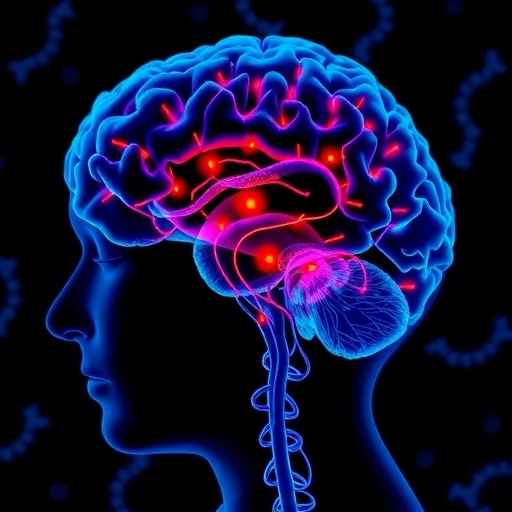
In recent years, the field of oncology has witnessed remarkable advancements, particularly in understanding the complex interplay between the microenvironment and tumor biology. One of the most pressing areas of research has focused on hypoxia – a condition in which tissues are deprived of adequate oxygen supply. This phenomenon is crucial in the context of cancer, as it significantly influences tumor growth, metastasis, and the overall therapeutic response. An important study conducted by researchers leads us to novel insights into the hypoxia-driven transcriptomic and epigenetic landscapes specifically in grade 3 meningiomas. The findings promise to reshape our understanding of these challenging tumors.
Meningiomas are a prevalent form of brain tumor, primarily arising from the meninges, the protective layers surrounding the brain and spinal cord. While most meningiomas are benign and well-managed, grade 3 meningiomas present a far more aggressive clinical challenge. Their malignant characteristics lead to poor patient outcomes, necessitating more research into their underlying biological mechanisms. As our understanding of hypoxia grows, it becomes increasingly evident that this condition plays a pivotal role in the aggressiveness and treatment resistance observed in grade 3 meningiomas.
The study aims to elucidate the transcriptomic shifts occurring in meningiomas under hypoxic conditions. By leveraging advanced genomic sequencing techniques, the researchers identified a plethora of genes that exhibited altered expression in response to low oxygen levels. This transcriptomic profile sheds light on the metabolic reprogramming that tumors undergo to adapt to and thrive in hypoxic microenvironments, revealing potential biomarkers for therapeutic targeting.
In addition to the transcriptomic changes, the study also delves into the epigenetic modifications that accompany hypoxia in grade 3 meningiomas. Epigenetics, the study of heritable changes in gene expression that do not involve alterations to the underlying DNA sequence, provides insights into how cancer cells can toggle their behavior in response to environmental stresses. Hypoxia-induced epigenetic alterations can have a profound effect on gene expression patterns, ultimately influencing tumor behavior, proliferation rates, and response to therapies.
A highlight of the research is its focus on the mechanisms through which hypoxic conditions can drive the aggressiveness of grade 3 meningiomas. It has been found that hypoxia can stimulate pathways that enhance cell survival, promote angiogenesis, and increase metastatic potential. The downstream implications of these findings are immense, suggesting that understanding these pathways can lead to the identification of potential therapeutic targets that could diminish the aggressive behavior of these tumors.
Moreover, the study discusses the involvement of hypoxia-inducible factors (HIFs), which serve as critical regulators in the hypoxic response. HIFs can activate various target genes that promote cell adaptation to low oxygen levels. The direct or indirect involvement of HIFs in epigenetic modifications and transcriptomic changes is a crucial area of inquiry, as it may hold the key to developing strategies to inhibit their activity to combat tumor growth and progression.
The research also sheds light on the clinical implications of these findings. Identifying specific molecular and genetic alterations driven by hypoxia could improve diagnostic accuracy and stratification of patients. Enhanced understanding of the hypoxic landscape in grade 3 meningiomas may lead to personalized therapeutic strategies that are more effective in targeting the underlying biology of these tumors.
In the landscape of therapeutic development, the study proposes the potential of hypoxia-modifying therapies. By targeting the pathways altered by hypoxia, clinicians could enhance the sensitivity of tumors to conventional treatments such as radiotherapy and chemotherapy. Furthermore, novel agents that specifically inhibit the hypoxic response could be integrated into treatment regimens, paving the way for more effective interventions.
As one delves deeper into the implications of these findings, the idea of combining existing treatment modalities with novel hypoxia-targeting strategies emerges as a tantalizing prospect. The potential to enhance treatment efficacy while minimizing toxic side effects presents an exciting avenue for future research. In a landscape where treatment resistance is a significant hurdle, these insights may open the door to innovative approaches that can transform outcomes for patients with grade 3 meningiomas.
Overall, the insights into hypoxia-driven transcriptomic and epigenetic landscapes in grade 3 meningiomas present a significant advancement in our understanding of this challenging malignancy. As researchers continue to unravel the complexities of the tumor microenvironment, it is clear that hypoxia is far more than an environmental stressor; it is a critical participant in the evolution of tumor biology. The findings of this study not only contribute to the existing body of knowledge but also lay the groundwork for future research endeavors aimed at translating these insights into clinical practice.
In summary, the research expands our understanding of how hypoxic conditions shape the behavior of grade 3 meningiomas through intricate changes in gene expression and epigenetic modifications. As we look ahead, the integration of these findings into therapeutic strategies holds promise for enhancing treatment effectiveness and improving patient outcomes in the face of this aggressive form of brain tumor.
With this groundbreaking study paving the way, the realm of cancer research stands at a precipice, eager for the next steps in translating these revelations from bench to bedside. As we continue to confront the complexities of tumor biology, the exploration of hypoxia-targeting modalities in oncology will undoubtedly remain at the forefront of research, reflecting the critical need for innovative approaches to combat formidable malignancies like grade 3 meningiomas.
Subject of Research: Hypoxia-driven molecular changes in grade 3 meningiomas
Article Title: Novel insights into hypoxia-driven transcriptomic and epigenetic landscapes in grade 3 meningioma.
Article References:
Dalal, M., Joshi, R., Ajithkumar, P. et al. Novel insights into hypoxia-driven transcriptomic and epigenetic landscapes in grade 3 meningioma.
J Transl Med (2025). https://doi.org/10.1186/s12967-025-07606-9
Image Credits: AI Generated
DOI: 10.1186/s12967-025-07606-9
Keywords: Hypoxia, grade 3 meningioma, transcriptomics, epigenetics, tumor biology, oncology, therapeutic targets, HIF, cancer research.
Tags: advancements in oncology researchbrain tumor biologycancer treatment resistance mechanismsepigenetic factors in cancergrade 3 meningiomashypoxia and cancer researchhypoxia-driven tumor growthmeningioma gene regulationtherapeutic response in hypoxiatranscriptomic changes in tumorstumor microenvironment effectsunderstanding tumor aggressiveness



