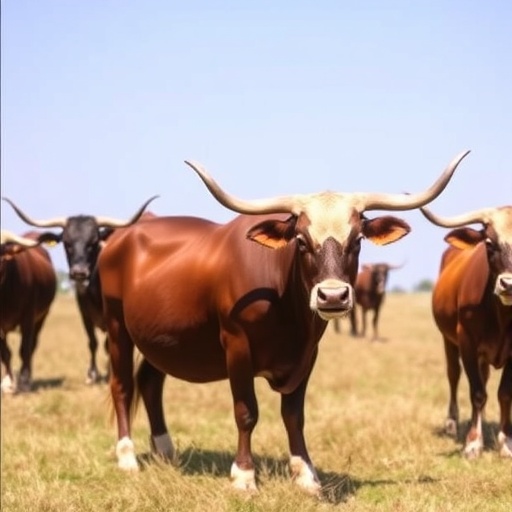
In a groundbreaking study set to reshape our understanding of cattle genetics, researchers Su et al. have delved deep into the genomic architecture of the Guanling cattle, a unique breed indigenous to China. These animals, known for their adaptability and resilience in diverse environments, have been a focal point for geneticists seeking to unravel the complexities of genetic admixture and the evolutionary pressures that have shaped their genome. The research, published in the journal BMC Genomics, offers a wealth of insights into both the historical and biological narratives embedded within the Guanling cattle’s DNA.
The Guanling breed is not just another domesticated animal; it carries the legacy of adaptive evolution in agricultural settings. This initiative to sequence the whole genome marks a pivotal step toward understanding how genetic diversity manifests within this population. By employing advanced genomic techniques, the researchers have tapped into the depths of Guanling cattle’s genetic material, revealing layers of information that transcend surface-level observations. The findings promise not only to illuminate the evolutionary pathways of this breed but also to facilitate better breeding and conservation strategies aligned with sustainable agricultural practices.
One of the most striking aspects of the study is its revelation of genetic admixture, which essentially refers to the interbreeding between distinct populations. In the case of the Guanling cattle, the researchers identified traces of admixture that might have occurred due to historical breeding practices and environmental challenges. Understanding these admixture events is crucial, as they can influence traits critical for survival, such as disease resistance, milk production, and growth rates. When specific traits arise from admixture, farmers can leverage these insights to enhance the quality and productivity of the cattle, ensuring that the breed not only survives but thrives in modern agricultural ecosystems.
Moreover, the research emphasizes the role of adaptive signatures found within the genome, which are indicative of the bovine’s response to various environmental pressures. These signatures reveal historical adaptations to climate variability, disease exposure, and resource availability. For instance, the identification of specific alleles associated with resilience to harsh weather conditions showcases how the Guanling cattle have evolved in harmony with their environment over generations. Such adaptations are not only fascinating from a scientific viewpoint but also underscore the importance of preserving genetic diversity in livestock for future agricultural sustainability.
In dissecting the Guanling cattle’s genome, the researchers employed state-of-the-art sequencing technologies that allowed them to analyze millions of base pairs rapidly. This comprehensive analysis illuminated significant genomic regions associated with traits such as drought tolerance and resistance to local pathogens. The implications of these findings extend beyond scholarly interest; they hold practical applications for farmers looking to breed cattle that can withstand the challenges posed by climate change and emerging diseases.
The interconnectedness of genetics and agriculture is a growing field of interest, and the Guanling cattle study highlights its potential. As the global population continues to rise, the demand for sustainable food sources becomes increasingly pressing. By understanding the genetic factors that contribute to the success of specific breeds, agriculture can adapt to meet these challenges head-on. This insight encourages a shift towards more targeted breeding programs, emphasizing the need to retain the genetic characteristics that enable animals to adapt and flourish in changing environments.
Additionally, the authors stressed the importance of integrating genomic data into breeding strategies. With rapid advancements in biotechnology, using genomic information to inform breeding decisions can become a reality. Such practices can lead to livestock that not only meet the demands of modern-day agriculture but also uphold ethical standards regarding animal welfare. The Guanling cattle, with their distinctive genetic make-up, can serve as a model for implementing genomic practices across various animal breeds.
One cannot overlook the cultural significance of the Guanling breed. In the regions where these cattle are raised, they are deeply intertwined with local traditions and livelihoods. The study not only enhances our scientific comprehension of this breed but also serves to underscore its cultural heritage. By investing in the genomic research of these animals, stakeholders can foster a greater appreciation for the traditional practices surrounding them, promoting sustainable agriculture that honors and preserves cultural identities.
In summary, the findings presented by Su et al. not only expand the knowledge surrounding Guanling cattle but also reinforce the importance of genetic diversity in livestock. Genetic admixture and adaptive signatures represent a rich tapestry of evolutionary history, underscoring the intricate relationships between environment, culture, and animal breeding practices. Future research endeavors can focus on leveraging these findings to cultivate livestock that aligns with sustainable agricultural practices, ensuring that future generations inherit a robust and diverse genetic pool.
The overarching significance of this study is clear: by delving into the genomes of domesticated animals, we gain invaluable insights into their adaptations and potential. As scientists continue to explore the genetic basis of traits in cattle and other livestock, the Guanling breed stands as a testament to the profound connections between our agricultural practices and the animals we rely on. As such, this research sets the stage for a new era of genomic exploration, where the walls between traditional breeding and modern science blur, leading to innovative solutions for global agricultural challenges.
Realizing the potential of such studies invites broader collaborations across disciplines, bringing together geneticists, farmers, ecologists, and cultural historians to preserve livestock diversity. Following the promising discoveries regarding Guanling cattle, similar investigations into various breeds worldwide could yield beneficial outcomes while simultaneously enriching our understanding of animal husbandry. This holistic approach ensures that both animal welfare and sustainability are prioritized, leading to healthier livestock and a more secure food future.
As more findings emerge from this realm of genetic research, it will be essential to communicate these advancements to broader audiences. Engaging farmers and the public in understanding the importance of genetic diversity will foster a greater commitment to conservation efforts. Knowledge dissemination efforts should include informative platforms and educational programs, ensuring that the public can appreciate and support the scientific work being done.
The implications of studying the genetic architecture of livestock extend beyond agriculture. As the world grapples with climate change, evolving diseases, and food security issues, the role of genomic research will only gain significance. The lessons learned from the Guanling cattle study illuminate not just the path for this breed but also inspire a comprehensive understanding of how genetics can help pave the way for resilient agricultural systems in the face of unprecedented challenges.
In conclusion, Su et al.’s exploration into the genetic landscape of Guanling cattle provides a robust framework for future genomic studies. The synthesis of genetic admixture and adaptive traits creates a narrative of resilience that could guide the future of livestock breeding and conservation. This research is more than just a deep dive into genetic material; it represents a crossroads where history, culture, and science converge toward a sustainable agricultural future.
Subject of Research: Genetic admixture and adaptive signatures of Guanling cattle.
Article Title: Genetic admixture and adaptive signatures of Guanling cattle revealed by whole-genome sequence.
Article References:
Su, Z., Xian, K., Bian, C. et al. Genetic admixture and adaptive signatures of Guanling cattle revealed by whole-genome sequence.
BMC Genomics (2026). https://doi.org/10.1186/s12864-025-12480-2
Image Credits: AI Generated
DOI:
Keywords: Guanling cattle, genetic admixture, adaptive signatures, whole-genome sequencing, BMC Genomics.
Tags: adaptive evolution in cattleadvanced genomic techniques in agriculturecattle genetic diversityconservation strategies for cattle breedsevolutionary pressures on cattle genomesgenetic admixture in livestockgenomic architecture of Guanling breedGuanling cattle genetic ancestryhistorical narratives in animal geneticsresilience of Guanling cattlesustainable agriculture and cattlewhole-genome sequencing in cattle