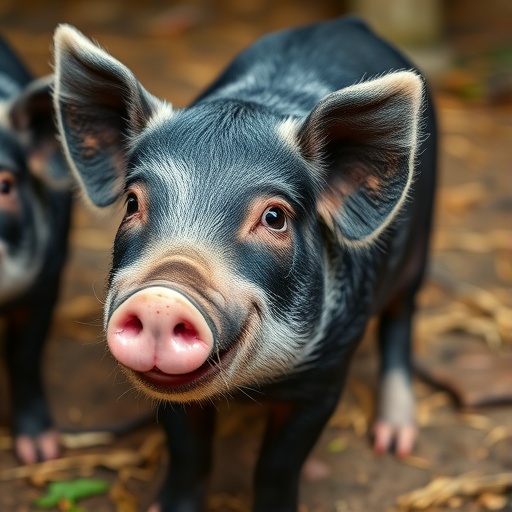
In a groundbreaking study released in BMC Genomics, researchers Xu, Z., Li, Z., and Qiao, M., along with their team, have unveiled significant insights into the genetic framework of Xiangyang black pigs, a unique breed known for its superior meat quality and adaptability. The research pivots around whole-genome resequencing data, offering a comprehensive analysis of the genetic structure and selection signatures that mark this breed. This study not only enhances our understanding of pig genetics but also lays a foundation for future breeding programs aimed at improving livestock quality.
Xiangyang black pigs, indigenous to the Xiangyang region of China, have garnered attention for their distinct characteristics, which include a robust physique, adaptability to harsh environments, and exceptional meat flavor. As demand for high-quality pork rises globally, understanding the genetic basis of these traits can significantly impact breeding strategies. The research team methodically sampled the genomes of these pigs, using advanced genomic techniques to analyze variation and evolutionary pressures unique to this breed.
The backbone of the research rests upon whole-genome resequencing, a cutting-edge technology that allows scientists to decipher the complete DNA sequence of an organism. By laying out the entire genome of Xiangyang black pigs, researchers can identify genetic markers linked to desirable traits such as growth rate, reproductive performance, and disease resistance. This meticulous approach enables a deeper insight into how these animals have evolved and adapted over time, ensuring their survival and success in diverse environments.
Utilizing high-throughput sequencing methods, the research team compiled extensive genomic data from various populations of Xiangyang black pigs. This dataset serves as a rich resource for exploring genetic diversity within the breed, revealing the intricate relationships among individuals. Furthermore, the utilization of bioinformatics tools allowed for the identification of potential areas within the genome that have undergone selection pressure, shedding light on the specific traits that have been favored in breeding.
Moreover, the findings indicate several prominent selection signatures that correlate with traits crucial for survival and productivity. These signatures not only underscore the unique adaptations that Xiangyang black pigs have developed but also highlight the importance of genetic adaptation in livestock. With the understanding of these genetic underpinnings, breeders can aim to enhance traits like meat quality and fertility through targeted breeding practices.
The implications of this research extend beyond the confines of academia and into the realms of agriculture and food security. By improving the understanding of genetic factors influencing pig breeds, farmers can refine their breeding programs, ensuring not only higher quality pork production but also sustainability within the industry. Given the global demand for meat, particularly in regions with burgeoning populations, such advancements could contribute to feeding millions more efficiently.
The study also emphasizes the significance of genetic conservation, particularly for indigenous breeds like the Xiangyang black pig. As modernization and industrial farming techniques threaten the diversity of livestock, preserving the unique genetic traits of local breeds becomes paramount. This research advocates for a balanced approach that appreciates traditional breeds while embracing scientific advancements in genetics.
In conclusion, the research conducted by Xu and colleagues presents invaluable insights that bridge the gap between genetic science and practical applications in agriculture. By meticulously analyzing the genetic structure and selection signatures of Xiangyang black pigs, they have provided a roadmap for future studies and breeding strategies that could revolutionize the swine industry. The research heralds a new era of understanding the intricate relationship between genetics and livestock production, paving the way for a more sustainable and productive agricultural future.
Furthermore, the work showcases the collaborative spirit of the scientific community, uniting experts from various disciplines to tackle complex biological challenges. As agriculture continuously evolves, particularly in light of climate change and increasing consumer demands, research such as this is essential for guiding effective management and conservation practices within livestock industries.
The findings of this study will likely stimulate further research avenues, encouraging others to explore the genomic bases of other local breeds and their unique adaptations. As scientists continue to unravel the mysteries of animal genetics, the applications of their discoveries will undoubtedly resonate across global agricultural practices, ensuring that quality meat production meets the demands of our growing world without sacrificing biodiversity.
By leveraging modern technologies and approaches, the research not only enhances our understanding of Xiangyang black pigs but also sets a benchmark for future studies focused on the genetic improvement of livestock. Through ongoing genomic advancements, the scientific community can work towards a comprehensive genetic repository that could benefit not only the farming industry but also biodiversity conservation efforts on a global scale.
As this research is published and disseminated, it is anticipated to generate interest and dialogue among breeders, farmers, and geneticists alike, fostering a collaborative approach towards achieving sustainable agricultural practices. This study undoubtedly serves as an exemplary case of how genomic research can be harnessed to address pressing issues within the food production system.
In essence, the research offers a robust framework for further exploration into the genetic architectures of other livestock breeds, potentially leading to broader insights that can enhance food security and promote sustainable farming practices worldwide.
The collaboration observed in this study symbolizes a pivotal moment for genetic research in agriculture, reflecting a collective commitment to advancing our understanding of how genetics can inform better breeding decisions that align with the needs of both producers and consumers alike.
As we look toward the future, embracing genetic diversity and leveraging scientific advancements will be crucial in shaping resilient agricultural systems that can thrive amid the challenges posed by a rapidly changing global environment.
Subject of Research: Genetic structure and selection signatures of Xiangyang black pigs.
Article Title: Analysis of the genetic structure and selection signatures of Xiangyang black pigs using whole-genome resequencing data.
Article References: Xu, Z., Li, Z., Qiao, M. et al. Analysis of the genetic structure and selection signatures of Xiangyang black pigs using whole-genome resequencing data. BMC Genomics 26, 1107 (2025). https://doi.org/10.1186/s12864-025-12404-0
Image Credits: AI Generated
DOI: https://doi.org/10.1186/s12864-025-12404-0
Keywords: Xiangyang black pigs, whole-genome resequencing, genetic structure, selection signatures, livestock breeding, genetic diversity, sustainable agriculture.
Tags: adaptability of black pig breedsadvanced genomic techniques in agricultureevolutionary pressures on pig geneticsgenetic structure of Xiangyang pigsgenomic analysis of livestockhigh-quality pork productionlivestock quality improvementpig breeding programssuperior meat quality traitsunique characteristics of Xiangyang pigswhole-genome resequencing in pigsXiangyang black pig genetics