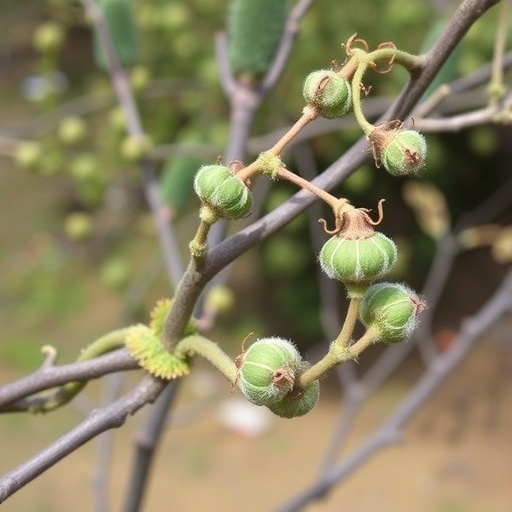
In a groundbreaking study published in BMC Genomics, researchers, led by Mei et al., have unveiled significant insights into the genetic diversity of the remarkable plant species known as Xizang Sophora Moorcroftiana (Benth.) Baker. This plant, native to the rich and varied ecosystems of Tibet, has long been a subject of fascination due to its medicinal properties and unique biological adaptations. The implications of this research extend beyond academia; they could potentially reshape our understanding of biodiversity conservation, resource management, and the discovery of novel bioactive compounds.
The investigation utilized state-of-the-art whole-genome resequencing techniques, enabling the research team to examine the genetic makeup of multiple variants of Sophora Moorcroftiana. This sophisticated approach provides a comprehensive view of the plant’s genome, shedding light on its evolutionary history, adaptive traits, and population structure. The research underscores the importance of applying advanced genomic techniques to the study of plant biodiversity, a field that is increasingly recognized as vital to addressing ecological challenges.
One of the most striking findings from this study is the extent of genetic variability found within populations of Xizang Sophora Moorcroftiana. The researchers discovered a rich tapestry of genetic polymorphisms that suggests a robust adaptive capacity within this species. This genetic flexibility is crucial for the plant’s survival and resilience in the face of environmental changes, a theme that is becoming increasingly relevant in today’s rapidly shifting climate.
Moreover, the study highlights the significance of geographical factors in shaping genetic diversity. By analyzing samples collected from various locations across Tibet, the team was able to identify distinct genetic clusters that correlate with specific environmental variables. This correlation reveals how localized adaptations might drive genetic divergence, underscoring the intricate relationship between flora and their habitats.
The application of genomic data not only enriches our understanding of Sophora Moorcroftiana but also has implications for conservation strategies. With alarming rates of habitat loss and climate change threatening countless species worldwide, insights gleaned from genomic studies are invaluable. They provide a framework for developing targeted conservation efforts that prioritize genetically diverse populations, which are more likely to adapt and thrive in changing environments.
In addition to conservation, this research has profound implications for the pharmaceutical industry. Sophora Moorcroftiana has been used in traditional medicine for centuries, and the genetic insights uncovered by Mei and colleagues could pave the way for the discovery of new bioactive compounds. This plant’s potential as a source of novel pharmaceuticals cannot be overstated, making the preservation of its genetic diversity all the more critical.
The research also opens doors for further studies into other underexplored plant species. The methodologies and findings of this work can serve as a model for similar investigations into the genetic diversity of other medicinal plants, thus contributing to a broader understanding of plant-based health solutions. In an age where bioprospecting is becoming increasingly important, studies like this reinforce the need to explore and understand the genetic resources we have.
Furthermore, the collaborative aspect of the research exemplifies how interdisciplinary efforts can lead to significant advancements in science. With contributions from geneticists, ecologists, and pharmacologists, the study emphasizes the importance of diverse expertise in tackling complex biological questions. Such collaborations could become the cornerstone of future botanical and genetic research initiatives.
As the team plans to follow up on this work, the potential for discovering additional ecological and medicinal insights remains high. Future research could explore the functional implications of the identified genetic variations, particularly concerning how they are associated with specific environmental stressors. The quest to unravel the genetic secrets of such plants will not only enhance our scientific knowledge but could also yield tangible benefits for society.
In summary, the genetic diversity analysis of Xizang Sophora Moorcroftiana based on whole-genome resequencing represents a significant stride in our understanding of plant biology. While the research elucidates the genetic complexities of this specific species, it also stands as a testimony to the broader implications for conservation, pharmaceuticals, and interdisciplinary science. As our planet faces increasing environmental challenges, studies like this one are essential for ensuring the survival of both our ecological heritage and the health of future generations.
In conclusion, as we strive to bring these findings to a wider audience, it is crucial to appreciate the richness of biodiversity and the stories that genomes can tell. The legacy of Xizang Sophora Moorcroftiana is more than just a tale of genetic diversity; it is a call to action for conservation, innovation, and a deeper connection with our natural world.
Subject of Research: Genetic diversity of Xizang Sophora Moorcroftiana
Article Title: Genetic diversity analysis of Xizang Sophora Moorcroftiana (Benth.) Baker based on whole-genome resequencing
Article References:
Mei, D., Li, B., Fu, F. et al. Genetic diversity analysis of Xizang Sophora Moorcroftiana (Benth.) Baker based on whole-genome resequencing.
BMC Genomics (2026). https://doi.org/10.1186/s12864-025-12479-9
Image Credits: AI Generated
DOI: 10.1186/s12864-025-12479-9
Keywords: Genetic diversity, Sophora Moorcroftiana, whole-genome resequencing, biodiversity, conservation, bioactive compounds, Tibetan flora.
Tags: advanced genomic techniques in biodiversitybioactive compounds in plantsecological challenges and plant adaptationsevolutionary history of Xizang plantsgenetic diversity in plant speciesgenetic variability in plant populationsmedicinal properties of Sophora Moorcroftianapopulation structure of Sophora Moorcroftianaresource management for biodiversity preservationTibetan plant biodiversity conservationwhole-genome resequencing techniquesXizang Sophora Moorcroftiana genetics