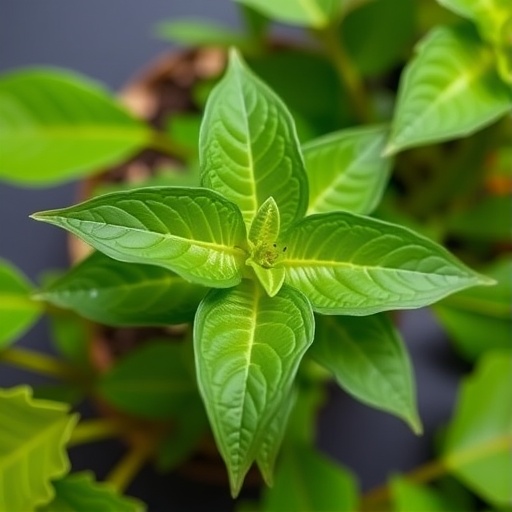
In a groundbreaking study set to be published in BMC Complementary Medicine and Therapies, researchers have delved into the promising anti-inflammatory properties of Andrographis paniculata, a medicinal herb traditionally used in various cultures for its health benefits. The herb, often referred to as “King of Bitters,” has garnered attention due to its rich phytochemical composition, which is believed to contribute to its therapeutic effects. The focus of this particular research is its impact on LPS-induced inflammation in RAW264.7 macrophages, serving as a model for understanding inflammatory responses at the cellular level.
The initiation of this research can be traced back to the pressing need for new anti-inflammatory agents that can complement existing treatments. Chronic inflammation underlies various metabolic disorders, autoimmune diseases, and even certain cancers. The investigation of natural compounds such as those found in Andrographis paniculata represents an essential step in identifying novel therapeutic modalities that are safer and more effective than conventional pharmaceutical options. The current study aims not only to provide empirical support for the herb’s efficacy but also wants to elucidate the mechanisms by which it exerts anti-inflammatory effects.
The methodology utilized in this research involved the extraction of active compounds from Andrographis paniculata leaves, followed by its application to RAW264.7 macrophage cells exposed to lipopolysaccharides (LPS). LPS is a potent pro-inflammatory agent that mimics bacterial infection, thereby activating macrophages and inducing a robust inflammatory response. By employing this model, researchers were able to assess the anti-inflammatory potential of the compounds derived from the herb and their effects on key inflammatory markers.
The results were impressive and revealing. Data demonstrated a significant reduction in the levels of pro-inflammatory cytokines such as TNF-alpha, IL-6, and IL-1β within the treated macrophages. These cytokines play critical roles in the inflammatory process, and their dysregulation is often associated with various inflammatory diseases. By effectively lowering these cytokine levels, Andrographis paniculata demonstrated its potential as a natural anti-inflammatory agent that could help mitigate inflammation-related ailments.
Additionally, the study observed alterations in the signaling pathways involved in inflammation. For instance, NF-kB, a transcription factor known for promoting the expression of pro-inflammatory genes, showed decreased activation in macrophages treated with extracts of Andrographis paniculata. This finding suggests that the active compounds derived from the herb might inhibit the pathway’s activation, thereby reducing its harmful downstream effects. This insight into the molecular mechanisms underscores the herb’s potential role in therapeutic strategies aimed at controlling inflammation.
The implications of these findings extend beyond basic science; they open up avenues for practical applications in the management of inflammatory diseases. With the global burden of chronic inflammatory conditions steadily rising, the need for adjunct therapies like those derived from Andrographis paniculata cannot be overstated. This herb could lead to the development of new supplement formulations or herbal medicines that could be integrated into conventional treatment regimens for conditions such as rheumatoid arthritis, lupus, and other inflammatory disorders.
Furthermore, the exploration of natural products has significant implications for public health and the pharmaceutical industry. With growing consumer interest in herbal medicine, there is an increasing demand for evidence-based validation of traditional remedies. Investigating the scientific underpinnings of herbs like Andrographis paniculata not only satisfies this demand but also contributes to building a holistic understanding of health that incorporates both modern and traditional knowledge.
In conclusion, the study led by Jang et al. is a notable contribution to the expanding field of ethnopharmacology. The exploration of Andrographis paniculata in the context of inflammation provides a solid foundation for future clinical studies and trials, aiming to prove efficacy and safety in diverse populations. As the research community continues to uncover the potential of natural compounds, we stand on the brink of a new frontier in anti-inflammatory therapies—one that promises to blend the wisdom of traditional healing with the rigors of modern science.
As the researchers prepare for publication, they emphasize the importance of continued investigation into the pharmacological properties of herbal medicines. The findings from this study could pave the way for further research not just on Andrographis paniculata, but on a multitude of plants that have been overlooked due to modern drug development’s focus on synthetic compounds. The reverberations of this research will undoubtedly resonate within both scientific circles and public interest, fostering a renewed appreciation for nature’s own pharmacy.
In the wake of these findings, it is clear that Andrographis paniculata holds promise not merely as a traditional medicine but as a potential powerhouse in the battle against inflammation. This research opens doors to a future where natural compounds serve as central players in disease management, advocating for a return to nature in addressing modern health challenges.
Ultimately, as the study highlights the anti-inflammatory effects of Andrographis paniculata, it also calls for a reevaluation of the therapeutic landscape, blending ancient wisdom with contemporary scientific inquiry. The balance between these two worlds could lead to groundbreaking advancements in how we approach health, healing, and well-being for generations to come.
Subject of Research: Anti-inflammatory effects of Andrographis paniculata
Article Title: Anti-inflammatory effects of Andrographis paniculata (Burm.f.) Wall. Ex Nees leaf in LPS-Induced RAW264.7 macrophages.
Article References:
Jang, YA., Hwang, UK. & Kwon, YJ. Anti-inflammatory effects of Andrographis paniculata (Burm.f.) Wall. Ex Nees leaf in LPS-Induced RAW264.7 macrophages. BMC Complement Med Ther 25, 430 (2025). https://doi.org/10.1186/s12906-025-05143-y
Image Credits: AI Generated
DOI: https://doi.org/10.1186/s12906-025-05143-y
Keywords: Anti-inflammatory, Andrographis paniculata, macrophages, natural products, cytokines, LPS, NF-kB, traditional medicine.
Tags: Andrographis paniculata health benefitsanti-inflammatory properties of medicinal herbscomplementary medicine and therapies.empirical support for Andrographis efficacyherbal treatments for autoimmune diseasesLPS-induced inflammation researchmacrophage inflammation model studymechanisms of anti-inflammatory actionnatural remedies for chronic inflammationnovel anti-inflammatory agentsphytochemical composition of Andrographistherapeutic effects of Andrographis leaves