In a groundbreaking study poised to reshape our understanding of immune cell biology, researchers at the University of Liège have identified MafB as a central genetic regulator indispensable for the maturation and functional identity of macrophages across tissues and species. This novel discovery illuminates the molecular mechanisms by which macrophages—versatile cells critical to immune defense and tissue homeostasis—attain their specialized roles in organ health, opening new avenues for therapeutic intervention against a range of chronic diseases.
Macrophages are pivotal components of the innate immune system, ubiquitously residing within tissues to execute core functions such as pathogen clearance, dead cell removal, and maintenance of physiological equilibrium. Despite their widespread presence, these cells manifest a remarkable ability to adapt to the microenvironment-specific demands of distinct organs while preserving a universal genetic program. The molecular underpinnings that govern this balance between specialization and shared identity, however, remained elusive until now.
Professor Thomas Marichal and his team in the Immunophysiology Laboratory at ULiège set out to elucidate these mechanisms and discovered that the transcription factor MafB serves as a master regulatory switch. Acting at the genetic level, MafB directs an extensive network of gene expression essential for driving monocytes—the precursor cells circulating in the bloodstream—toward fully mature, operational macrophages within tissues. This transition empowers macrophages with critical functions necessary for defending tissues and supporting organ function.
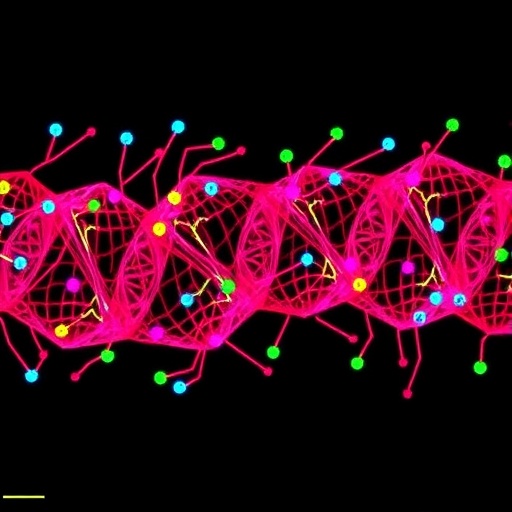
Through rigorous experimentation involving knock-out models where MafB was selectively disabled, the scientists observed that macrophages devoid of this transcription factor failed to complete their maturation process. These immature macrophages exhibited altered morphology, appearing more rounded and less developed compared to their wild-type counterparts expressing MafB, which displayed mature, well-defined shapes. The morphological alterations signify profound deficits in cellular functionality and specialization.
At the molecular level, MafB’s regulatory influence extends to genes implicated in phagocytosis—the cellular process of engulfing and digesting pathogens and cellular debris—and regulatory pathways governing tissue homeostasis. The study revealed that MafB orchestrates the timely activation and repression of these genes, effectively choreographing the macrophage differentiation program and equipping these cells to execute their crucial roles in maintaining internal stability across diverse tissue environments.
Remarkably, this MafB-dependent genetic regulatory circuit was found to be evolutionarily conserved not only between mice and humans but broadly across vertebrate species. Such conservation underscores the integral role of MafB in immune cell biology, reinforcing the concept of a universal developmental blueprint guiding macrophage identity and function regardless of organismal context.
Importantly, the ramifications of MafB deficiency extend beyond isolated immune dysfunction. The impaired macrophage maturation translates into significant physiological consequences, disrupting processes such as iron recycling in the spleen and compromising the function of vital organs including the lungs, intestines, and kidneys. These findings vividly illustrate the systemic impact macrophages exert on overall physiological balance and organ health, further highlighting the transcription factor’s indispensability.
The research pioneers the conceptual framework that macrophages maintain their specialized identity through a shared, genetically encoded program orchestrated by MafB, which operates in tandem with local environmental cues to tailor macrophage phenotypes within different organs. This dual strategy ensures both adaptability and a conserved core functionality essential for organismal homeostasis.
Beyond elucidating fundamental biology, the study’s insights into MafB’s role have profound translational implications. Numerous chronic pathological conditions—ranging from inflammatory disorders and fibrosis to infectious diseases and metabolic syndromes—are characterized by dysfunctional macrophage responses. Targeting MafB or its downstream molecular pathways offers a compelling strategy for restoring macrophage functionality and ameliorating tissue damage across a spectrum of illnesses.
The identification of MafB as a linchpin in macrophage development and function establishes a new paradigm in immunology, revealing how immune cells sustain organ health through tightly regulated genetic programs. This discovery also paves the way for innovative therapeutic designs aimed at modulating macrophage identity in situ, potentially enhancing resilience to chronic diseases that currently pose significant clinical challenges.
The University of Liège team’s work represents a monumental advance by delineating a conserved molecular “switch” essential for immune surveillance and organ homeostasis. It underscores the importance of gene regulatory networks in defining cellular identity and function, offering a refined perspective on the interface between immunity and organ physiology.
As research continues to delve deeper into MafB’s intricate genetic controls, the scientific community anticipates further breakthroughs elucidating how macrophages dynamically integrate signals to maintain tissue health. This foundational study not only enriches our comprehension of immune cell biology but also charts a promising course toward leveraging genetic regulators to fortify human health against immunological and metabolic disorders.
In sum, MafB emerges as a master architect of macrophage identity, essential for their maturation and indispensable for sustaining the multifaceted roles these cells play in protecting and maintaining organ systems. Unraveling this conserved transcriptional program marks a significant milestone with broad implications for immunology, physiology, and regenerative medicine.
Subject of Research: The role of MafB as a conserved transcriptional regulator governing macrophage development, functional identity, and organ homeostasis across tissues and species.
Article Title: MafB is a conserved transcriptional regulator of macrophage development and functional identity across tissues and species
News Publication Date: 26-Feb-2026
Web References:
http://dx.doi.org/10.1016/j.immuni.2026.01.012
Image Credits: University of Liège / Philippe Compère
Keywords: MafB, macrophage maturation, transcription factor, immune regulation, phagocytosis, tissue homeostasis, organ health, gene regulatory network, evolutionary conservation, immunophysiology, chronic diseases, immune cell identity
Tags: immune cell maturationimmune defense cellular biologyinnate immune system mechanismsmacrophage functional identitymacrophage genetic regulationmacrophage role in organ healthmacrophages in chronic disease therapyMafB transcription factormolecular mechanisms of immune cellsmonocyte to macrophage differentiationtissue-specific macrophage specializationtranscriptional regulation in immunity