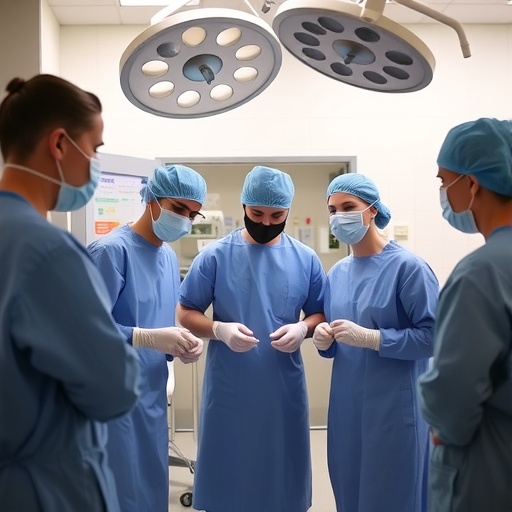
In a recent qualitative study published in BMC Nursing, researchers A.A. Basli and A.G. Işikli delve deeply into the pervasive issue of mobbing among nurses, particularly those working in surgical clinics. Mobbing, defined as a form of psychological harassment characterized by persistent and intentional acts of aggression, has gained attention for its severe implications on mental health and workplace dynamics. The study, conducted in 2026, offers invaluable insights into the lived experiences of nurses, identifying the multifaceted aspects of mobbing that contribute to an increasingly toxic work environment.
The backdrop of this study is significantly alarming. With the ongoing pressure faced by healthcare systems, especially in surgical settings, nurses often find themselves on the frontline, juggling numerous challenges ranging from extreme workload to emotional exhaustion. It is in this high-stakes atmosphere that incidents of mobbing often manifest, impacting not only the individuals involved but also the entire healthcare team and, ultimately, patient care. This research sets out to illuminate how this form of harassment seeps into the daily lives of nurses and the overarching implications it has on their wellbeing.
By employing a qualitative descriptive methodology, the researchers gathered rich narratives from participants, allowing for an in-depth exploration of their experiences. The participants recounted stories of intimidation, discrimination, and social isolation, revealing how these negative interactions contribute significantly to a culture of fear within surgical clinics. The voices of these nurses provide a window into the emotional toll that mobbing takes, with many expressing feelings of helplessness and frustration. This qualitative insight emphasizes the devastating impact that mobbing has not only on individual nurses but also on the collaborative spirit essential in high-performance medical environments.
Interestingly, this study also highlights the systemic issues that perpetuate mobbing behaviors. Leadership and organizational support—or the lack thereof—play crucial roles in either curbing or exacerbating mobbing incidents. The findings indicate a troubling trend where inadequate support systems and a lack of training for management lead to a permissive environment for such behaviors to thrive. This systemic failure, the study argues, not only harms nurses but also compromises patient safety and care quality.
Moreover, the emotional fallout from mobbing can trigger a cascade of negative effects, including job dissatisfaction, increased turnover rates, and a debilitating sense of burnout. Many participating nurses reported a decline in their enthusiasm for their careers, feeling drained by the constant psychological strain. This phenomenon is particularly concerning in surgical clinics, where teamwork and effective communication are critical to patient outcomes. Thus, the implications of mobbing extend beyond the psychological impacts on nurses; they raise questions about patient care and healthcare system efficiency.
Equally important is the study’s exploration of the coping mechanisms that nurses adopt when faced with mobbing. Participants shared varied strategies, ranging from seeking out supportive colleagues to voicing concerns to management—though these latter attempts were often met with indifference. The study contextualizes these coping strategies within the broader challenges of the healthcare workplace, where nurses may feel pressured to remain silent rather than confront their aggressors. This silence only serves to perpetuate the cycle of harassment, as new and emerging nurses may imitate the behaviors they encounter, further embedding mobbing into the workplace culture.
Furthermore, the researchers emphasize the necessity for targeted interventions tailored specifically to address mobbing in nursing. By recognizing the unique challenges faced in surgical clinics, healthcare organizations can foster environments that promote psychological safety and mutual respect. Training programs aimed at developing interpersonal skills, conflict resolution, and awareness of mobbing behaviors could be vital tools in combating this issue. Empowering nurses with strategies to deal with mobbing not only supports their mental health but also transforms workplace culture, ultimately benefiting patient care.
The urgent need for a healthcare system transformation is strongly recommended, where leadership is proactive in establishing zero-tolerance policies toward mobbing. This research underscores the importance of open dialogue within nursing teams, highlighting that a culture of transparency can significantly reduce incidents of harassment. Effective communication channels, where nurses can report their experiences without fear of repercussions, are essential for building trust and ensuring that such behaviors are addressed appropriately.
Additionally, this research sheds light on the role of educational institutions in preparing nurses for handling mobbing. Curriculums should integrate training on emotional intelligence, resilience, and ethical workplace behaviors, thereby equipping future nurses with the tools necessary to navigate the complexities of healthcare environments. By embedding awareness and prevention strategies early in nursing education, the cycle of mobbing could be significantly mitigated, fostering a generation of nurses who prioritize a positive workspace.
Ultimately, Basli and Işikli’s research offers a critical lens on an often-overlooked yet pervasive issue in healthcare—mobbing among nurses. It not only amplifies the voices of those affected but also calls for systemic changes that are essential for improving nurse wellbeing and, by extension, patient care. As healthcare continues to evolve, addressing mobbing and its underlying causes will be crucial in ensuring a sustainable workforce dedicated to delivering high-quality care.
This study stands as a poignant reminder of the importance of safeguarding healthcare professionals’ mental health, especially in high-pressure environments like surgical clinics. The challenges of mobbing demand attention, fostering an environment that promotes respect, understanding, and teamwork. Ultimately, the findings of this qualitative descriptive study pave the way for future inquiries and interventions aimed at eradicating mobbing in nursing, signaling a hopeful shift towards a more compassionate and supportive healthcare system.
Subject of Research: Mobbing among nurses in surgical clinics
Article Title: Experiences of mobbing among nurses working in surgical clinics: a qualitative descriptive study
Article References: Basli, A.A., Işikli, A.G. Experiences of mobbing among nurses working in surgical clinics: a qualitative descriptive study.
BMC Nurs (2026). https://doi.org/10.1186/s12912-026-04363-y
Image Credits: AI Generated
DOI: 10.1186/s12912-026-04363-y
Keywords: mobbing, nurses, surgical clinics, workplace harassment, mental health, qualitative study, organizational culture, support systems.
Tags: addressing mobbing in nursing professionchallenges faced by surgical nursesemotional exhaustion in nursinghealthcare team dynamicsimpact of mobbing on mental healthimplications of mobbing on patient carenarratives of nurse experiencesnurse mobbing in surgical clinicspsychological harassment among nursesqualitative study on nurse experiencestoxic work environment in healthcareworkplace dynamics in healthcare