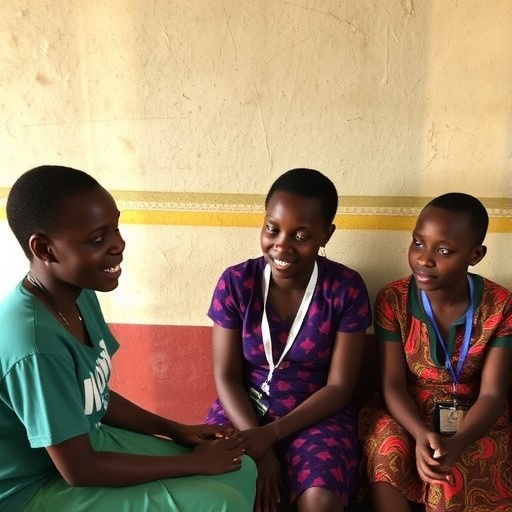
In recent years, the healthcare system around the globe has increasingly recognized the importance of providing quality health services to adolescents. In many regions, including Northern Ghana, the necessity for tailored medical services for young individuals has become a pressing issue. Recent research conducted by a team led by Abaah, J.A., alongside Soliku, O., and Kanamu, M.H., sheds light on the perspectives of patients, guardians, and healthcare staff regarding adolescent health services within a primary care setting. Their study published in BMC Health Services Research in 2026 systematically evaluates these perceptions, aiming to highlight barriers and propose improvements.
At the core of this investigation lies a qualitative approach that dives deep into personal experiences and sentiments. Qualitative research is powerful because it captures the nuances of people’s experiences, which quantitative data might overlook. The team conducted interviews and focus groups with a range of participants, allowing for an in-depth understanding of the existing healthcare dynamics. Through these discussions, the researchers were able to uncover both the strengths and weaknesses of adolescent health services currently provided.
A primary finding of the study reveals that patients and guardians often feel undervalued and unheard in their interactions with the healthcare system. Many young patients reported feeling uncomfortable discussing sensitive issues related to their health with often overburdened staff. This lack of comfort stems from societal stigmas surrounding adolescent health topics, which can hinder open communication between patients and healthcare providers. The research emphasizes the significant role of building trusting relationships in these interactions, as trust is crucial for effective healthcare delivery.
Equally vital is the perspective of the healthcare staff involved in delivering these services. The research highlighted that many providers are passionate about adolescent health but feel constrained by a lack of resources, time, and training. In many instances, staff reported that they felt ill-equipped to address particular health issues that adolescents face, especially those relating to mental health and sexual health. Given the rising prevalence of such challenges among young individuals, it is imperative to offer specialized training and resources to healthcare providers.
Moreover, the researchers noted systemic issues affecting the quality of care provided. The primary care facility in question has limited access to advanced medical interventions and specialists, which limits the options available for adolescent patients. In Northern Ghana, these healthcare access issues are exacerbated by geographic and economic barriers, making it difficult for adolescents to reach facilities where they can receive appropriate care. The findings reveal a pressing need for the establishment of more adolescent-friendly services that consider the unique needs and circumstances of young patients.
In terms of policy implications, the insights from this research have significant ramifications. They call for governments and health organizations to invest in the development of holistic adolescent healthcare programs. These initiatives should focus not only on training healthcare staff but also on creating a supportive infrastructure that promotes accessibility, privacy, and confidentiality in healthcare settings. By addressing these issues, policymakers can ensure that adolescents receive the comprehensive care that is critical during their developmental years.
Furthermore, stakeholders are encouraged to foster community involvement in health services. Engaging parents, guardians, and adolescents in the design and implementation of health services can lead to improvements in the quality of care. By incorporating the voices of those most affected by the healthcare services, organizations can develop programs that are more reflective of community needs and preferences. This community-centered approach can help dismantle barriers to care and encourage more youths to utilize health services without fear of stigma.
Mental health emerged as a pivotal theme within the qualitative findings. Adolescents are dealing with a range of stressors, from academic pressures to personal issues, and these challenges can lead to anxiety and depression. However, mental health resources are often limited in primary care settings. The research underscores the urgent need to integrate mental health services into adolescent care. The establishment of mental health support within these facilities would not only empower young patients but also provide necessary resources for healthcare providers to address such issues effectively.
A recurring theme in the narratives collected was the wish for greater privacy and confidentiality in healthcare interactions. Adolescents are often apprehensive about sharing sensitive health information, fearing potential repercussions from family members or their peers. The study advocates for implementing protocols that enhance privacy and confidentiality within health services. By creating an environment where young individuals feel secure sharing personal health concerns, healthcare facilities can improve overall patient engagement.
Furthermore, the study indicates a significant opportunity for the use of technology in enhancing adolescent health services. As the world becomes increasingly digital, incorporating telehealth services could provide a convenient and accessible option for young patients who may shy away from in-person visits. Technology can bridge the gap between adolescents and healthcare providers, making it easier for young patients to seek help discreetly and safely.
Importantly, the research suggests that campaigns to educate both adolescents and the wider community about available health services are crucial. Many young people are unaware of the resources that exist, which leads to underutilization of services. The researchers recommend outreach programs designed to raise awareness and dispel myths surrounding adolescent health. These initiatives can empower young people with knowledge, allowing them to take charge of their health and seek assistance when necessary.
In conclusion, the qualitative investigation led by Abaah, J.A., and colleagues provides a crucial lens into the perceptions of adolescent health services in Northern Ghana. Through their findings, they underscore the importance of fostering an environment where adolescents feel valued and heard. By addressing the barriers identified in their research, such as a lack of resources, insufficient training, and stigma, significant improvements can be made. Ultimately, the goal is to create a healthcare system that not only serves young individuals effectively but also empowers them to lead healthier lives.
Through collaborative efforts between healthcare providers, policymakers, and the community, the vision of enhanced adolescent health services can become a reality. This study serves as a clarion call to improve access, enhance training, and build trust within healthcare interactions. With a renewed focus on the unique needs of adolescents, the healthcare landscape can evolve to ensure that young individuals receive the care they deserve, fostering a healthier future.
Subject of Research: Adolescents’ perceptions of health services in primary care facilities in Northern Ghana.
Article Title: Adolescent health services in a primary care facility in Northern Ghana: a qualitative investigation of patients’, guardians’, and staff’s perceptions of care.
Article References:
Abaah, J.A., Soliku, O., Kanamu, M.H. et al. Adolescent health services in a primary care facility in Northern Ghana: a qualitative investigation of patients’, guardians’, and staff’s perceptions of care.
BMC Health Serv Res (2026). https://doi.org/10.1186/s12913-026-14077-1
Image Credits: AI Generated
DOI: 10.1186/s12913-026-14077-1
Keywords: Adolescent health services, qualitative research, Northern Ghana, healthcare perceptions, mental health integration, privacy in healthcare.
Tags: adolescent health care Northern Ghanabarriers to adolescent health servicesBMC Health Services Research findingsguardian perspectives on adolescent healthhealthcare dynamics in Northern Ghanahealthcare perceptions in adolescentshealthcare staff insights on adolescent careimproving adolescent health servicespatient experiences in healthcareprimary care challenges in Ghanaqualitative research in health servicesyouth healthcare accessibility issues