• HOME
  • NEWS
  • EXPLORE
    • CAREER
      • Companies
      • Jobs
    • EVENTS
    • iGEM
      • News
      • Team
    • PHOTOS
    • VIDEO
    • WIKI
  • BLOG
  • COMMUNITY
    • FACEBOOK
    • INSTAGRAM
    • TWITTER
Friday, January 16, 2026
BIOENGINEER.ORG
No Result
View All Result
  • Login
  • HOME
  • NEWS
  • EXPLORE
    • CAREER
      • Companies
      • Jobs
        • Lecturer
        • PhD Studentship
        • Postdoc
        • Research Assistant
    • EVENTS
    • iGEM
      • News
      • Team
    • PHOTOS
    • VIDEO
    • WIKI
  • BLOG
  • COMMUNITY
    • FACEBOOK
    • INSTAGRAM
    • TWITTER
  • HOME
  • NEWS
  • EXPLORE
    • CAREER
      • Companies
      • Jobs
        • Lecturer
        • PhD Studentship
        • Postdoc
        • Research Assistant
    • EVENTS
    • iGEM
      • News
      • Team
    • PHOTOS
    • VIDEO
    • WIKI
  • BLOG
  • COMMUNITY
    • FACEBOOK
    • INSTAGRAM
    • TWITTER
No Result
View All Result
Bioengineer.org
No Result
View All Result
Home Headlines

UNC researcher provides recommendations to stop violence against…

Bioengineer.org by Bioengineer.org
January 26, 2018
in Headlines, Health, Science News
Reading Time: 2 mins read
0
Share on FacebookShare on TwitterShare on LinkedinShare on RedditShare on Telegram
UNC researcher provides recommendations to stop violence against clinicians in China

Chen Zhongwei, the retired Director of Oral Health at Guangdong General Hospital in China, was attacked this spring and killed by a patient whom he treated more than two decades earlier. The former patient, who claimed that he should receive compensation for a discolored tooth, followed the dentist home where he stabbed him over 30 times. This tragic story is the latest of a number of episodes in which Chinese patients kill health professionals.

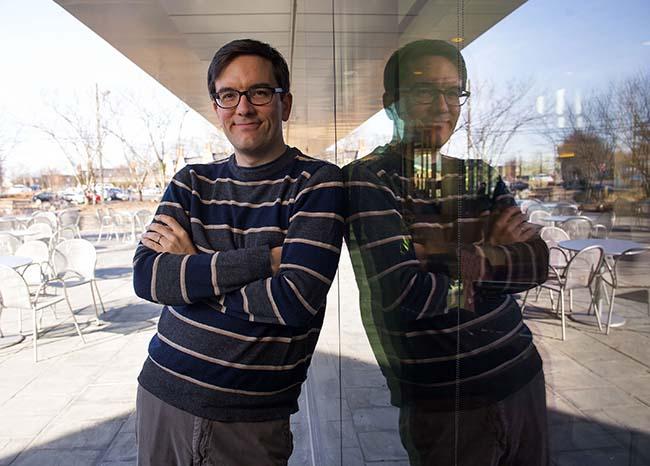
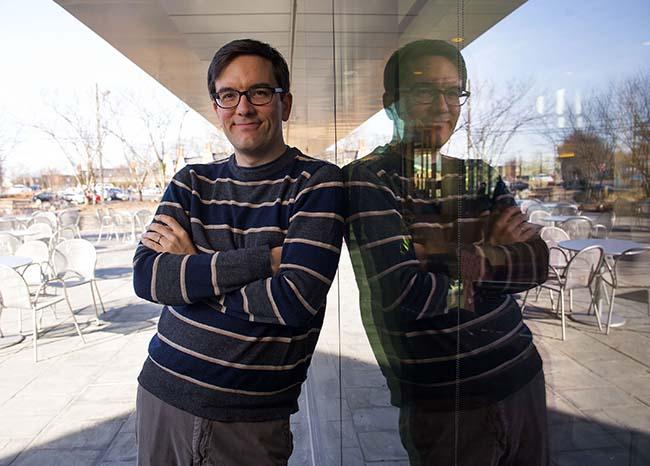
Responding to the endemic mistrust between patients and physicians in China, Joseph D. Tucker, M.D., Ph.D., assistant professor in the University of North Carolina at Chapel Hill School of Medicine and director of UNC Project-China, organized an initiative to rebuild patient-physician trust. The research team used in-depth interviews and policy analysis to better understand patient-physician trust in the Chinese context, speaking with patients, physicians, and health administrators. The team found the need for reform of several areas, including health systems, legal, ethical, and medical education. For example, requiring medical humanities training within medical education could help increase capacity for physicians to more effectively communicate with their patients and begin to restore trust. The results and suggested action items to rebuild trust were published in The Lancet.

“Trust is not a simple construct and rebuilding it will take time, energy, and resources,” Tucker said. “But as we noted in The Lancet, the lingering mistrust in China should be seen as opportunity to do better. This is not about pointing fingers, but rather about figuring out how to move forward.”

In addition to The Lancet publication, his research laid the foundation for a Shanghai conference on patient-physician trust. Tucker along with colleagues from Harvard University, Stanford University and the University of Otago in New Zealand organized the two-day conference at the Harvard Center Shanghai to develop actionable recommendations for rebuilding patient-physician trust in China. The team included leading public health officials, philosophers, lawyers, medical doctors, private sector leaders, and medical ethicists. This multi-disciplinary group created a list of recommendations to help rebuild patient-physician trust in China.

As part of the patient-physician trust initiative, the next step involves using a participatory campaign to crowdsource messaging to rebuild patient-physician trust.

###

The Harvard China Fund and the China Medical Board supported Tucker’s project.

The mission of UNC’s Institute for Global Health & Infectious Diseases is to harness the full resources of the University and its partners to solve global health problems, reduce the burden of disease, and cultivate the next generation of global health leaders. Learn more at http://www.globalhealth.unc.edu.

Media Contact

Morag MacLachlan
[email protected]
919-843-5719
@UNC_Health_Care

UNC School of Medicine

Share12Tweet8Share2ShareShareShare2

Related Posts

Carbon Fiber Boosts Zirconium Diboride in 3D Printing

Carbon Fiber Boosts Zirconium Diboride in 3D Printing

January 16, 2026

Revolutionary Support Program for Families of Cancer Patients

January 16, 2026

Spatial Multiomics Uncovers Immune Dysfunction in Parkinson’s, IBD

January 16, 2026

Psychiatric Nurses’ Views on AI in Care

January 16, 2026
Please login to join discussion

POPULAR NEWS

  • Enhancing Spiritual Care Education in Nursing Programs

    155 shares
    Share 62 Tweet 39
  • PTSD, Depression, Anxiety in Childhood Cancer Survivors, Parents

    147 shares
    Share 59 Tweet 37
  • Robotic Ureteral Reconstruction: A Novel Approach

    76 shares
    Share 30 Tweet 19
  • Study Reveals Lipid Accumulation in ME/CFS Cells

    53 shares
    Share 21 Tweet 13

About

We bring you the latest biotechnology news from best research centers and universities around the world. Check our website.

Follow us

Recent News

Carbon Fiber Boosts Zirconium Diboride in 3D Printing

Revolutionary Support Program for Families of Cancer Patients

Spatial Multiomics Uncovers Immune Dysfunction in Parkinson’s, IBD

Subscribe to Blog via Email

Success! An email was just sent to confirm your subscription. Please find the email now and click 'Confirm' to start subscribing.

Join 71 other subscribers
  • Contact Us

Bioengineer.org © Copyright 2023 All Rights Reserved.

Welcome Back!

Login to your account below

Forgotten Password?

Retrieve your password

Please enter your username or email address to reset your password.

Log In
No Result
View All Result
  • Homepages
    • Home Page 1
    • Home Page 2
  • News
  • National
  • Business
  • Health
  • Lifestyle
  • Science

Bioengineer.org © Copyright 2023 All Rights Reserved.