• HOME
  • NEWS
  • EXPLORE
    • CAREER
      • Companies
      • Jobs
    • EVENTS
    • iGEM
      • News
      • Team
    • PHOTOS
    • VIDEO
    • WIKI
  • BLOG
  • COMMUNITY
    • FACEBOOK
    • INSTAGRAM
    • TWITTER
Sunday, January 11, 2026
BIOENGINEER.ORG
No Result
View All Result
  • Login
  • HOME
  • NEWS
  • EXPLORE
    • CAREER
      • Companies
      • Jobs
        • Lecturer
        • PhD Studentship
        • Postdoc
        • Research Assistant
    • EVENTS
    • iGEM
      • News
      • Team
    • PHOTOS
    • VIDEO
    • WIKI
  • BLOG
  • COMMUNITY
    • FACEBOOK
    • INSTAGRAM
    • TWITTER
  • HOME
  • NEWS
  • EXPLORE
    • CAREER
      • Companies
      • Jobs
        • Lecturer
        • PhD Studentship
        • Postdoc
        • Research Assistant
    • EVENTS
    • iGEM
      • News
      • Team
    • PHOTOS
    • VIDEO
    • WIKI
  • BLOG
  • COMMUNITY
    • FACEBOOK
    • INSTAGRAM
    • TWITTER
No Result
View All Result
Bioengineer.org
No Result
View All Result
Home NEWS Science News Biology

Uganda’s Ik are not unbelievably selfish and mean

Bioengineer by Bioengineer
June 25, 2020
in Biology
Reading Time: 3 mins read
0
IMAGE
Share on FacebookShare on TwitterShare on LinkedinShare on RedditShare on Telegram

Small ethnic group is cooperative and generous, contrary to 1972 book portrayal
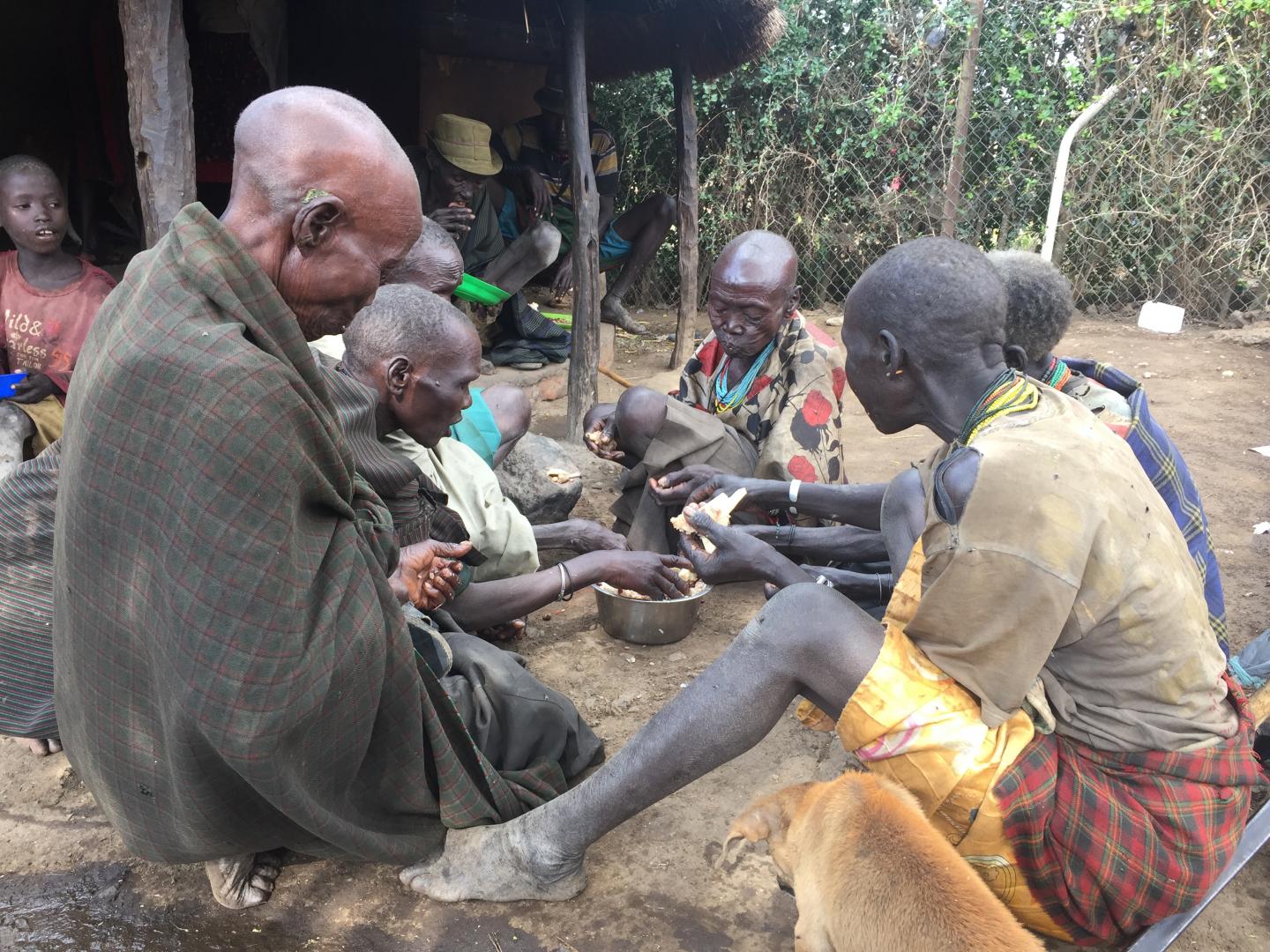
IMAGE

Credit: Cathryn Townsend

The Ik, a small ethnic group in Uganda, are not incredibly selfish and mean as portrayed in a 1972 book by a prominent anthropologist, according to a Rutgers-led study.

Instead, the Ik are quite cooperative and generous with one another, and their culture features many traits that encourage generosity, according to the study in the journal Evolutionary Human Sciences.

“The Mountain People,” an ethnography by anthropologist Colin M. Turnbull, made a big splash for an academic work. The New York Times and Time magazine reviewed the book, which inspired a stage play, and physician Lewis Thomas included an essay about the Ik in his bestselling book “The Lives of a Cell: Notes of a Biology Watcher.”

The Ik live in the far northeast corner of Uganda, near its borders with Kenya and South Sudan. A Rutgers-led team of scientists studied them as part of The Human Generosity Project, a transdisciplinary effort to better understand generosity and other forms of cooperation among people around the world.

The scientists included the Ik in their project because of Turnbull’s claim that, far from being generous, the Ik were extraordinarily selfish and mean. He attributed the selfish behaviors he witnessed to a culture of selfishness.

Lead author Cathryn Townsend, a former Rutgers post-doctoral scientist and faculty member now at Baylor University, spent 2016 with the Ik and returned briefly in 2017. She discovered that their culture includes many traits that encourage generosity. For example, a favorite Ik saying is tomora marang, which means “it’s good to share,” and many Ik believe that Earth spirits called kijawika monitor people’s behavior, punish those who fail to share and reward the very generous.

Townsend also documented Ik generosity quantitatively using an experimental game, finding they’re no less generous, on average, than any of the hundreds of other groups of people in the world who have played the same game.

Why, then, did Turnbull observe so much selfishness among the Ik? Although Turnbull was aware that they experienced a severe famine while he was there, he failed to appreciate the impact starvation has on human behavior. Instead, he followed a common tendency among cultural anthropologists to attribute all human behavior to culture.

“One implication of Townsend’s work is that we must always consider the possibility that factors other than culture, including but not limited to starvation, can also shape human behavior,” said senior author Lee Cronk, a professor in the Department of Anthropology in the School of Arts and Sciences at Rutgers University-New Brunswick. “Another implication is that we can no longer use the Ik as an example of a society that has embraced selfishness. Far from being an exception, the Ik are just as cooperative and generous as other people around the world. They do not deserve the reputation they have been given by Turnbull’s book.”

Townsend plans to return to the Ik to continue her studies of how they cooperate. She will be looking in particular at how they are interdependent with one another.

###

Coauthors include Athena Aktipis at Arizona State University and Daniel Balliet at Vrije Universiteit Amsterdam.

Media Contact
Todd Bates
[email protected]

Original Source

https://www.rutgers.edu/news/ugandas-ik-are-not-unbelievably-selfish-and-mean

Related Journal Article

http://dx.doi.org/10.1017/ehs.2020.22

Tags: AnthropologyArts/CultureBehaviorCoping/PhobiasDemographyDeveloping CountriesMinoritiesNutrition/NutrientsPersonality/AttitudeSocial/Behavioral Science
Share12Tweet8Share2ShareShareShare2

Related Posts

Trypanosoma cruzi’s Genome Unveils 32 Chromosomes, 3 Compartments

Trypanosoma cruzi’s Genome Unveils 32 Chromosomes, 3 Compartments

January 11, 2026
Unlocking Sperm Motility: Insights from Chicken Genetics

Unlocking Sperm Motility: Insights from Chicken Genetics

January 11, 2026

Exploring Heterosis in Abaca BC2 Hybrid Dioscoro 1

January 10, 2026

OFP Gene Family in Soybean: Height and Salinity Insights

January 10, 2026
Please login to join discussion

POPULAR NEWS

  • Enhancing Spiritual Care Education in Nursing Programs

    154 shares
    Share 62 Tweet 39
  • PTSD, Depression, Anxiety in Childhood Cancer Survivors, Parents

    146 shares
    Share 58 Tweet 37
  • Robotic Ureteral Reconstruction: A Novel Approach

    50 shares
    Share 20 Tweet 13
  • Impact of Vegan Diet and Resistance Exercise on Muscle Volume

    47 shares
    Share 19 Tweet 12
v>

About

We bring you the latest biotechnology news from best research centers and universities around the world. Check our website.

Follow us

Recent News

Developing Eye Care Guidelines for Prone Ventilation

Guillain-Barré Syndrome Linked to TNF Inhibitor in Blau

Dual Nanocarriers Target Smad3 and Runx2 in Aortic Valve Disease

Subscribe to Blog via Email

Success! An email was just sent to confirm your subscription. Please find the email now and click 'Confirm' to start subscribing.

Join 71 other subscribers
  • Contact Us

Bioengineer.org © Copyright 2023 All Rights Reserved.

Welcome Back!

Login to your account below

Forgotten Password?

Retrieve your password

Please enter your username or email address to reset your password.

Log In
No Result
View All Result
  • Homepages
    • Home Page 1
    • Home Page 2
  • News
  • National
  • Business
  • Health
  • Lifestyle
  • Science

Bioengineer.org © Copyright 2023 All Rights Reserved.