In the realm of cellular biology and regenerative medicine, breakthroughs often come from the tireless efforts of visionary scientists dedicated to decoding the mysteries of human healing processes. Manuela Martins-Green, a distinguished professor of cell biology at the University of California, Riverside (UCR), stands at the forefront of this quest. Her pioneering research has not only illuminated the intricate molecular and cellular mechanisms that propel wound healing but has also paved the way for innovative therapies targeting chronic wounds—conditions that challenge clinicians worldwide.
Martins-Green’s work centers on the sophisticated orchestration of chemokines, an essential group of signaling proteins that modulate inflammation, angiogenesis, and tissue regeneration. By meticulously dissecting the roles these molecules play during tissue injury, her laboratory has unraveled complex biological networks that govern the transition from damage to repair. These insights are critical because they address the persistent clinical dilemma where wounds fail to heal properly, often culminating in chronic, non-healing ulcers that burden patients and healthcare systems alike.
A watershed moment in her career came with the development of an innovative animal model. This model meticulously mimics human chronic wound conditions, offering a reliable platform for studying disease progression and therapeutic intervention. The model’s translational relevance has made it a gold standard within laboratories globally, catalyzing the development of new drug candidates and biomaterials aimed at accelerating tissue repair. Such preclinical tools are indispensable in bridging laboratory findings with clinical applications, expediting the path from bench to bedside.
What distinguishes Martins-Green’s approach is her commitment to precision and clinical relevance. She has extended her foundational research into ongoing clinical trials, notably collaborative efforts in Europe that seek to enhance the efficacy of treatments for chronic wounds. These trials embody a precision medicine ethos, tailoring interventions based on mechanistic insights derived from her lab’s work. By integrating molecular biology with patient-centered outcomes, her team exemplifies a multidisciplinary strategy essential for addressing complex diseases.
Beyond trauma and wound healing, Martins-Green’s research portfolio encompasses the profound effects of environmental toxins, particularly tobacco smoke, on tissue integrity. Her investigations have unveiled the molecular pathways by which smoke toxins disrupt cellular homeostasis, exacerbate inflammation, and impair regenerative capacities. This line of inquiry has had far-reaching implications, influencing public health policies and legislative measures aimed at reducing tobacco-related harm. Such impact underscores her research’s societal significance, transcending academic boundaries.
The breadth of Martins-Green’s academic contributions is reflected in her prolific publication record, which exceeds 150 peer-reviewed articles, alongside her ownership of two patents. These patents highlight her innovative capacity to translate basic research into potential therapeutic tools. Her scholarship has garnered widespread recognition, from prestigious awards to fellowships, including election as a fellow of both the American Association for the Advancement of Science (AAAS) and the Wound Healing Society (WHS).
Her journey, marked by international academic experiences and mentorship, started in Portugal, where she earned her undergraduate degree before advancing to a doctorate in zoology at UC Davis. Following rigorous postdoctoral training at Lawrence Berkeley National Laboratory and faculty appointments across esteemed institutions, she joined UCR’s faculty in 1993. Over more than three decades, she has maintained a steadfast commitment to education, mentoring a diverse body of students who have themselves ascended to prominent roles in science and medicine.
Martins-Green’s pedagogical philosophy emphasizes fostering critical thinking and experimental rigor. She encourages students to approach scientific questions with curiosity and intellectual discipline—skills that are indispensable for the next generation of researchers. This mentorship has been transformative for many protégés, who attest to her ability to inspire and empower through both guidance and genuine personal investment.
Her leadership extends beyond the laboratory and classroom, having chaired departmental and university academic bodies, as well as contributing to editorial activities within scientific journals. Her service reflects a dedication to shaping research agendas, supporting peer review processes, and enhancing scientific communication—cornerstones for advancing the collective knowledge base in cell biology and regenerative medicine.
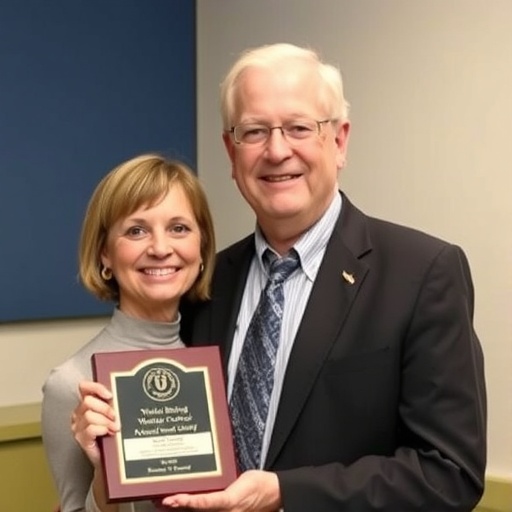
The forthcoming 2026 Lifetime Achievement Award from the Wound Healing Society is a testament to Martins-Green’s enduring impact on the field. This honor, bestowed on individuals who have significantly propelled wound healing research and patient care, recognizes not just scientific discoveries but also leadership and mentorship. It cements her legacy as a luminary whose work embodies the intersection of scientific innovation, clinical relevance, and compassionate dedication.
As the scientific community gathers in Charlotte, North Carolina, to celebrate her accomplishments, Martins-Green remains humble, attributing much of her success to the collaborative spirit of her laboratory team and the unwavering support of her family. Her story exemplifies how scientific excellence thrives within a network of mentorship, partnership, and resilience.
In sum, Manuela Martins-Green’s career journey is emblematic of the profound influence that dedicated research can wield on human health. By unraveling the molecular choreography of wound healing and pioneering models that simulate human disease, she has significantly advanced the understanding and treatment of chronic wounds. Her work continues to inspire innovation, nurture the next generation of scientists, and inform public health—hallmarks of a true scientific trailblazer.
Subject of Research:
Cellular and molecular mechanisms of wound healing, chemokine signaling in inflammation and angiogenesis, chronic wound pathophysiology, and effects of environmental toxins on tissue repair.
Article Title:
Leading the Charge in Wound Healing: Manuela Martins-Green’s Pioneering Contributions to Regenerative Medicine
News Publication Date:
2024
Web References:
https://profiles.ucr.edu/app/home/profile/mmgreen
https://woundheal.org/
Image Credits:
Credit: UC Riverside
Keywords
Wound healing, chemokines, chronic wounds, tissue engineering, angiogenesis, tobacco smoke toxins, molecular biology, regenerative medicine, clinical trials, cellular biology, inflammation, Manuela Martins-Green
Tags: angiogenesis in wound repairanimal models for chronic woundscellular mechanisms of inflammationchemokines in tissue regenerationchronic wound therapy developmentlifetime achievement in regenerative medicinemolecular biology of wound healingnon-healing ulcers treatmentregenerative medicine innovationstranslational research in wound careUniversity of California Riverside cell biologywound healing research breakthroughs