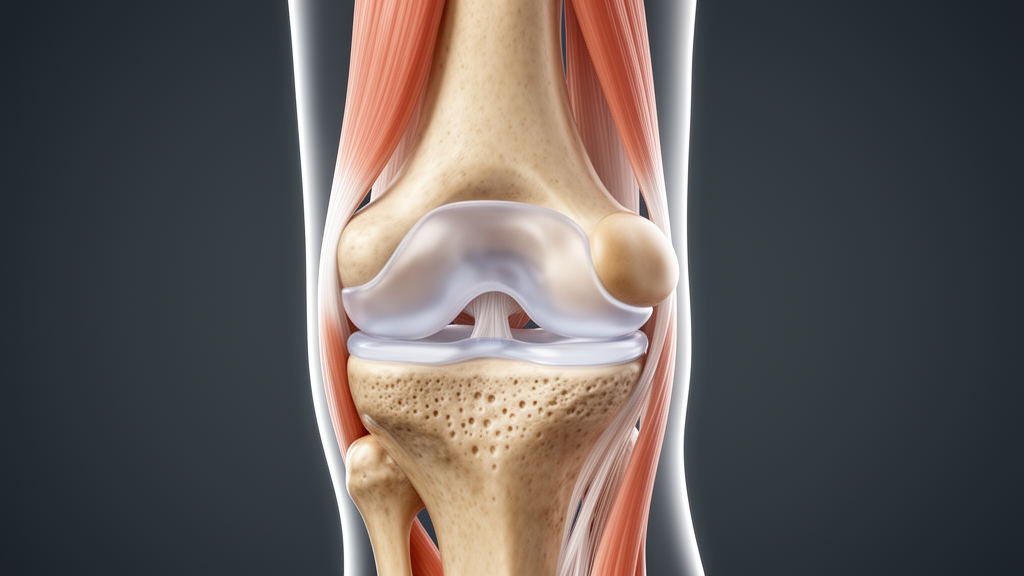
Researchers Devendra Kumar Chouhan and Supreeth Kumar have clarified that trochlear dysplasia and elevated anatomical thresholds serve as key structural markers across varying patterns of patella dislocation, while habitual dislocation constitutes a distinct developmental condition rather than merely the severe end of episodic instability. Writing in Knee Surgery and Related Research, the investigative team addressed comprehensive methodological critiques regarding their comparative investigation into single-episode, recurrent, and habitual patellar dislocations. The investigators demonstrated through rigorous post hoc sensitivity evaluations that their core radiological associations remain statistically resilient even when controlling for potential bilateral knee clustering. By examining how specific anatomical abnormalities interact across differing clinical presentations, the authors highlighted that primary knee dislocations, recurrent instability events, and habitual displacement patterns reflect fundamentally different morphological profiles. This detailed dialogue refines the radiological characterization of patellar instability by distinguishing between episodic joint displacement and congenital or developmental disengagement, offering clinicians a nuanced framework for interpreting anatomical risk factors.
A central focus of the exchange centered on the statistical challenge of bilateral case clustering, an acknowledged complexity in orthopedic research that examines paired anatomical structures within individual patients. Chouhan and Kumar explained that their original study design included bilateral cases because paired knees often exhibit asymmetric structural severity and distinct anatomical risk profiles in the same individual. From a surgical planning perspective, each affected knee functions as an independent clinical entity that demands separate radiological assessment and personalized operative consideration. To directly test whether the inclusion of bilateral cases had artificially inflated statistical significance, the researchers conducted a targeted sensitivity analysis that randomly selected only one knee per patient, narrowing the experimental cohort to one hundred and six knees. Even within this restricted sample, trochlear dysplasia preserved a statistically significant association with the specific pattern of patellar instability, yielding a p-value of 0.005 and a Cramér’s V of 0.31, which confirms a moderate strength of association.
Within the same single-knee sensitivity cohort, the tibial tubercle to trochlear groove distance continued to demonstrate a progressive and statistically significant escalation across the clinical subgroups, producing a p-value of 0.008. Specifically, abnormal lateralization measurements were recorded in 18.2 percent of knees diagnosed with single patellar dislocation, increasing to 31.4 percent among cases exhibiting recurrent patellar dislocation, and reaching 75 percent in knees presenting with habitual patellar dislocation. Furthermore, the correlation between clinical severity and cumulative anatomical risk factors retained robust statistical significance with a p-value of 0.002. These statistical adjustments confirmed that the primary findings were not artifacts of within-patient clustering, as the recalculations yielded persistent associations across independent knee evaluations. The investigators emphasized that excluding bilateral cases initially would have compromised statistical power and risked introducing selection bias, whereas the subsequent sensitivity testing conclusively proved that the documented anatomical escalation across instability types remained intact when individual clustering effects were fully neutralized.
The researchers also clarified the deliberate patient selection criteria that governed their analytical cohort, addressing concerns regarding spectrum bias and radiological validity. The protocol strictly excluded individuals who had undergone previous patellar stabilization procedures and lacked relevant preoperative radiological documentation. As the authors outlined, post-surgical interventions such as tibial tubercle medialization, trochleoplasty, or soft tissue reconstructive operations fundamentally alter native osseous and soft tissue architecture, introducing profound measurement heterogeneity that obscures baseline anatomical parameters. The explicit objective of the research was to map native morphological risk factors rather than secondary, post-intervention anatomy. Consequently, the findings characterize the radiological phenotypes of non-operatively managed single-episode patellar dislocations without reported recurrence compared directly against recurrent and habitual patterns. This analytical focus directly addresses the patient population for whom radiological risk stratification carries the greatest practical relevance, as non-operative initial presentations require precise prognostic evaluation before invasive surgical commitments are made.
To ensure measurement reproducibility and counteract potential observer variability, the authors instituted a rigorous multi-step radiological evaluation protocol throughout their investigation. All diagnostic measurements were independently carried out by two experienced musculoskeletal radiologists possessing eight and twelve years of specialized clinical experience. Image selection was conducted through a consensus process between both observers, and only the mutually approved and saved radiographic slices were utilized for subsequent measurements to minimize image selection bias. When independent continuous measurements diverged by more than two millimeters, or when categorical classifications differed, the radiologists resolved the discrepancies through formal consensus reviews. The investigative team adhered to validated diagnostic methodologies, employing Pfirrmann’s method for determining the tibial tubercle to trochlear groove distance, the standard sagittal technique for calculating the Caton-Deschamps ratio, and the Dejour classification for grading trochlear dysplasia. All assessments were executed on identical digital imaging and communications in medicine viewer software using standardized windowing parameters to maintain observational uniformity.
A critical component of the dialogue addressed the clinical discriminability and diagnostic actionability of the tibial tubercle to trochlear groove distance. Between single-episode dislocation and recurrent patellar dislocation, the mean difference in tibial tubercle to trochlear groove distance was only 2.12 millimeters. Although this difference attained statistical significance, the investigators openly acknowledged that a 2.12-millimeter divergence does not constitute a clinically meaningful diagnostic threshold for managing individual patients, particularly given the substantial overlap demonstrated across the standard deviation distributions. The authors highlighted that mean values reflect population-level phenotypic tendencies rather than definitive diagnostic criteria for personal clinical decision-making. Across the broader cohort, the stepwise increase in mean distance from single to recurrent and habitual dislocation reflects a biological dose-response relationship between lateral displacement and instability severity. However, because isolated continuous measurements overlap extensively between adjacent clinical categories, relying solely on mean dimensional shifts fails to capture the true structural distinctions that dictate joint instability.
To overcome the diagnostic limitations of mean dimensional differences, the authors advocated for a threshold-based analytical model that offers superior clinical utility. Evaluating categorical cut-offs revealed that a tibial tubercle to trochlear groove distance exceeding 15 millimeters occurred in 17.9 percent of single dislocation knees, 32.9 percent of recurrent dislocation knees, and 75 percent of habitual dislocation knees. When applying a more stringent threshold exceeding 20 millimeters, elevated values appeared in only 2.6 percent of single dislocations, 5.5 percent of recurrent cases, and 41.7 percent of habitual dislocations. The authors contextualized these metrics within the established menu à la carte surgical philosophy, asserting that lateralization parameters must never be interpreted in isolation but as integrated components of a multifactorial construct. In an expanded stratified analysis, elevated distance exceeding 15 millimeters was detected in only 5.0 percent of single dislocation patients who presented with normal trochlear morphology. Conversely, the co-occurrence of high-grade dysplasia and elevated lateralization increased alongside clinical severity, verifying synergistic anatomical interactions.
The inclusion of habitual patellar dislocation represented one of the most substantial conceptual debates addressed in the author response. Chouhan and Kumar initially included habitual dislocation to explore the full spectrum of knee instability, characterize extreme anatomical phenotypes, and generate comparative data for an under-researched cohort. Nonetheless, the authors acknowledged the fundamental etiologic distinctions separating habitual dislocation from episodic instability. Habitual patellar dislocation typically arises early in life as a developmental disorder during the first decade, possessing a distinct pathogenesis where severe structural malformations constitute the mechanical substrate of the condition rather than simple predisposing risk factors. Furthermore, managing habitual dislocation demands comprehensive, multiplanar surgical reconstruction of the extensor mechanism, whereas episodic instability primarily involves selective anatomical correction. Grouping these entities within a single comparative framework risked inappropriate therapeutic extrapolation, prompting the researchers to explicitly validate the critique and re-examine the statistical influence exerted by the habitual dislocation subgroup on their initial findings.
To isolate the true anatomical distinctions governing episodic instability, the investigators performed a focused sensitivity analysis examining exclusively the one hundred and twelve knees diagnosed with single-episode or recurrent patellar dislocations. Upon excluding habitual dislocations, the statistical associations between anatomical risk factors and instability classifications weakened substantially, losing statistical significance across most evaluated parameters. This decisive recalculation revealed that the dramatic statistical associations identified in the primary study were largely driven by the extreme morphology of habitual dislocation cases. Consequently, anatomical differences between single-episode and recurrent dislocations are subtle, overlapping, and reflective of a continuous biological spectrum rather than categorically separated phenotypes. In response, the authors formulated a two-tiered clinical model. Tier one defines episodic instability as a continuum of traumatic or atraumatic events where anatomical parameters serve as modest risk modifiers guiding individualized multifactorial management. Tier two designates habitual dislocation as a separate developmental entity with severe, pervasive extensor malformations requiring comprehensive surgical reconstruction.
Addressing observations regarding patella alta measurements, the investigators acknowledged that their study was underpowered for this specific anatomical metric, registering a post hoc statistical power of 0.51 due to small observed effect sizes. While the research achieved adequate power exceeding 0.80 for detecting moderate associations with trochlear dysplasia and tibial tubercle lateralization, the lower power for the Caton-Deschamps ratio precluded definitive conclusions regarding the absence of an effect. The observed weak associations and the unexpected pattern of higher patella alta prevalence in single dislocations compared to habitual cases contribute to an already debated medical literature, where some investigations identify robust correlations while others report inconsistent relationships. In their synthesized conclusions, Chouhan and Kumar affirmed that trochlear dysplasia remains the most consistent anatomical risk factor, that threshold exceedance provides superior clinical actionability over mean values, and that cumulative risk factors dictate instability severity. Crucially, habitual patellar dislocation must be recognized as an independent developmental pathology rather than an extreme manifestation of episodic joint instability.
Subject of Research: Radiological risk factors and anatomical phenotypes in patellar instability
Article Title: Response to Matters arising: comments on “Radiological risk factors in different patterns of patellar instability”
Article References: Chouhan, D. K., & Kumar, S. (2026). Response to Matters arising: comments on “Radiological risk factors in different patterns of patellar instability”. Knee Surgery & Related Research, 38(1), Article 41. https://doi.org/10.1186/s43019-026-00323-7
Image Credits: AI Generated
DOI: 10.1186/s43019-026-00323-7
Keywords: patellar instability, trochlear dysplasia, tibial tubercle-trochlear groove distance, TT-TG distance, habitual patellar dislocation, recurrent patellar dislocation, single patellar dislocation, patella alta, Caton Deschamps ratio, Dejour classification, Pfirrmann method, musculoskeletal radiology, sensitivity analysis, within-patient clustering, multifactorial risk assessment, bilateral knee involvement, two-tiered instability model
News Source: Ophelia Keating. (November 18, 2026). Trochlear Dysplasia and Anatomical Risk Factors Clarify Distinct Patellar Instability Patterns. Scienmag.