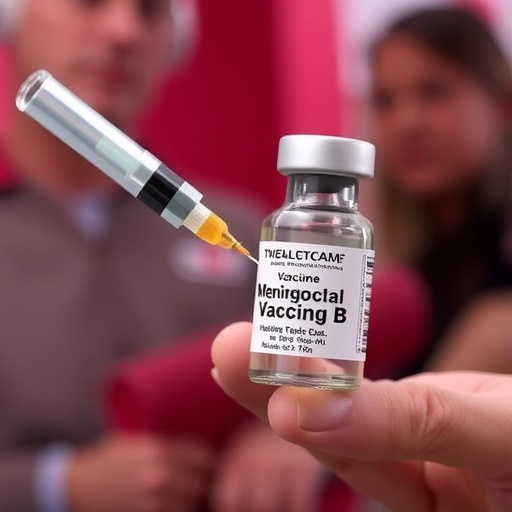
Contrary to earlier observational studies suggesting a protective effect, the meningococcal B vaccine (4CMenB) has been definitively shown to exert no influence on the prevention of gonorrhoea acquisition, as revealed by the most extensive randomized controlled trial (RCT) ever conducted on this topic. This groundbreaking study was carried out collaboratively by the Institute for Biomedicine and Glycomics at Griffith University and the Kirby Institute at UNSW Sydney, and the results were unveiled at the prestigious Conference on Retroviruses and Opportunistic Infections (CROI) in Denver, Colorado, in February 2026.
Gonorrhoea, caused by the bacterium Neisseria gonorrhoeae, presents an escalating global public health crisis, as antibiotic resistance undermines treatment efficacy and complicates infection control efforts. Gay and bisexual men represent a demographic at particularly heightened risk for infection, which rendered them the focal population for this rigorously designed trial seeking to evaluate the vaccine’s efficacy in preventing new gonorrhoea cases.
Employing a double-blind, placebo-controlled methodology, the trial enrolled 587 gay and bisexual men who had documented recent history of gonorrhoea or syphilis, selecting this group due to their elevated likelihood of acquiring gonorrhoea during the study period. Participants were randomly assigned to receive either the 4CMenB meningococcal vaccine or a saline placebo in order to minimize confounding factors that have complicated results interpretation in prior observational studies.
The trial’s primary outcome revealed that incidence rates of gonorrhoea were nearly identical in both the vaccinated and placebo cohorts, averaging approximately 48% per year. This remarkable parity unequivocally demonstrates that the 4CMenB vaccine does not confer resistance to gonorrhoea infection, directly challenging earlier retrospective analyses that had hinted at a protective effect, likely confounded by unmeasured variables.
Observational studies, including case-control designs that compared vaccination rates among individuals diagnosed with gonorrhoea versus other sexually transmitted infections such as chlamydia, previously intimated a potential cross-protection conferred by 4CMenB. However, such studies are prone to biases including confounding, wherein factors unrelated to vaccination status might explain observed differences in infection rates. The GoGoVax trial’s rigorous randomisation eliminates these confounders, providing the highest quality evidence currently available regarding vaccine efficacy.
The 4CMenB vaccine has an established safety profile and effectiveness against meningococcal disease, which remains its primary indication. Its inability to prevent gonorrhoea underscores the pressing need for dedicated vaccine development specifically targeting Neisseria gonorrhoeae. The reported findings clarify that while 4CMenB recipients retain protection against certain meningococcal strains, alternative preventive strategies for gonorrhoea—including barrier protection methods and regular sexual health screening—must continue to be emphasized.
It is noteworthy that the high baseline prevalence of gonorrhoea among participants might influence the generalizability of these findings beyond this high-risk group. Nonetheless, the trial’s conclusions bear critical implications for men who have previously received the meningococcal vaccine in hopes of gonorrhoea prevention, reaffirming that no reduction in risk is afforded by 4CMenB administration.
The research team acknowledged the invaluable contribution of study participants and community partners, emphasizing the importance of continued collaborative efforts to combat gonorrhoea through novel biomedical interventions and public health initiatives. Enhanced understanding gleaned from this trial will reshape prevention paradigms and foster informed decision-making within at-risk populations and healthcare providers.
The GoGoVax trial illustrates the paramount importance of randomized controlled trials in evaluating vaccine efficacy, particularly when observational data present conflicting or potentially misleading findings. Through stringent methodological design, this trial exemplifies how sound scientific practice can debunk unsupported assumptions, guiding evidence-based policy and resource allocation.
Despite disappointment over the absence of efficacy, researchers and public health officials advocate maintaining momentum in gonorrhoea vaccine research, underscoring the potential transformative impact a successful vaccine would have in curbing the spread of multi-drug-resistant strains and alleviating the burden on healthcare systems globally.
In the interim, clinics and community health services remain vital to gonorrhoea management, providing ongoing education, testing, and treatment to mitigate transmission. This study’s outcome sharpens the focus on such interventions while catalyzing innovation in vaccine development and other biomedical prevention strategies.
In summary, the largest and most methodologically robust trial to date offers conclusive evidence that the meningococcal B vaccine, 4CMenB, does not prevent gonorrhoea acquisition among gay and bisexual men at elevated risk. This pivotal finding corrects prior misconceptions, reaffirms the vaccine’s role in meningococcal disease prevention, and underscores the urgent need for dedicated gonorrhoea vaccines and comprehensive prevention programming.
Subject of Research: People
Article Title: Largest Randomized Controlled Trial Shows Meningococcal B Vaccine Fails to Prevent Gonorrhoea in High-Risk Populations
News Publication Date: Wednesday, 25 February 2026
Web References:
Griffith University Institute for Biomedicine and Glycomics: https://www.griffith.edu.au/research/institute-biomedicine-glycomics
Kirby Institute, UNSW Sydney: https://www.kirby.unsw.edu.au/
Conference on Retroviruses and Opportunistic Infections (CROI): https://www.croiconference.org/
GoGoVax Study Project: https://www.kirby.unsw.edu.au/research/projects/gogovax
ACON: https://www.acon.org.au/
Keywords: Health and medicine, Diseases and disorders, Human health, Clinical medicine
Tags: 4CMenB vaccine and gonorrhoeaantibiotic-resistant gonorrhoeaCROI 2026 vaccine studydouble-blind placebo-controlled STI trialgonorrhoea in LGBTQ+ populationsgonorrhoea prevention trialmeningococcal B vaccine efficacyNeisseria gonorrhoeae infectionpublic health gonorrhoea crisisrandomized controlled trial gonorrhoeasexually transmitted infections researchvaccine effectiveness in gay men