


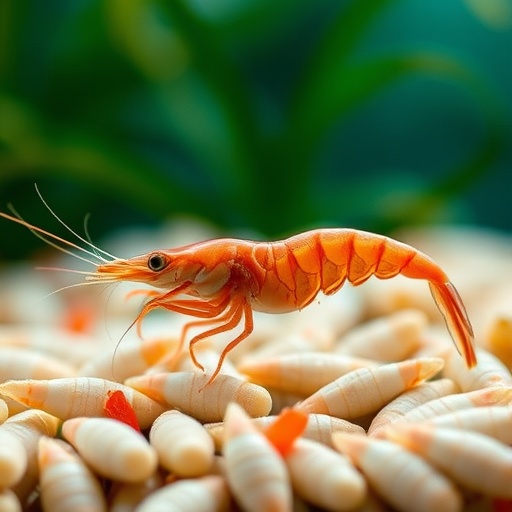
In a pioneering study that reshapes our understanding of seafood waste management, researchers have unveiled the remarkable potential of shrimp processing by-products. Traditionally, shrimp waste has been treated as a low-value product and often eliminated, contributing to environmental concerns associated with waste disposal. However, the recent findings suggest that this refuse could serve as a treasure trove of bioactive compounds capable of delivering significant health benefits.
The focus of the study centered on the extraction and analysis of antioxidant peptides from shrimp by-products, which are often overlooked in the seafood processing industry. Antioxidant peptides are small sequences of amino acids that exhibit the ability to neutralize free radicals in biological systems, thereby protecting cells from oxidative damage. Oxidative stress, which is linked to various chronic diseases, including cancer, diabetes, and neurodegenerative disorders, occurs when there is an imbalance between the production of reactive oxygen species (ROS) and the body’s ability to detoxify them.
The researchers meticulously identified five specific peptides derived from the shrimp by-products that exhibited notable antioxidant properties. Among them, HFVPVYEGF and EGYPFNPLL stood out for their potent efficacy in combating oxidative stress. These peptides were not only effective at reducing the concentration of reactive oxygen species but also demonstrated an ability to enhance the activity of antioxidant enzymes within human liver cells, specifically HepG2 cells, in vitro.
.adsslot_uNiz4tnqCI{ width:728px !important; height:90px !important; }
@media (max-width:1199px) { .adsslot_uNiz4tnqCI{ width:468px !important; height:60px !important; } }
@media (max-width:767px) { .adsslot_uNiz4tnqCI{ width:320px !important; height:50px !important; } }
ADVERTISEMENT
The significance of these findings cannot be understated, as they highlight an innovative approach to both minimizing waste and promoting health. Utilizing shrimp processing waste to isolate these bioactive peptides opens up new pathways for sustainable practices in the food industry. Instead of viewing shrimp waste as merely refuse, producers can transform it into valuable ingredients for functional foods and dietary supplements.
Moreover, the peptides identified in this study present exciting opportunities for further research and development. The capacity to protect human cells from oxidative damage poses intriguing possibilities not only for dietary applications but also for therapeutic interventions aimed at mitigating the effects of oxidative stress-related diseases. With further exploration and validation through clinical studies, these peptides could find their place in health-promoting products targeting at-risk populations.
In addition to their cellular protective effects, the researchers noted that these peptides could also foster a broader understanding of how dietary components influence health at the molecular level. By exploring the mechanisms behind the action of these antioxidant peptides, researchers can glean insights into their potential roles in cellular signaling pathways and metabolic processes. This understanding could eventually lead to the development of novel nutraceuticals designed to harness their benefits.
In a world where food waste is a pressing issue, this research offers a glimpse of hope. By transforming by-products into beneficial compounds, we can address not only the waste problem but also contribute positively to public health outcomes. Stimulating further research in this field is imperative. The scientific community must delve deeper into the extraction processes, bioavailability, and the full spectrum of health benefits associated with these peptides.
The research underscores the necessity for interdisciplinary collaboration. Food scientists, biochemists, and health professionals must work together to translate these findings from the laboratory to real-world applications, ensuring that the therapeutic potential of shrimp by-products is harnessed effectively.
As this area of research progresses, it will be crucial to consider regulatory aspects concerning the use of bioactive peptides in foods and supplements. Comprehensive safety assessments will be necessary to determine the appropriate usage levels and potential interactions with other dietary components. Ensuring consumer safety while promoting innovative health solutions will be a fundamental challenge that the industry must navigate.
Ultimately, the discovery of antioxidant peptides from shrimp processing waste exemplifies the potential of nature’s bounty to inspire novel solutions to contemporary health and environmental challenges. As the interest in functional foods and natural supplements continues to rise, this research may catalyze a broader movement towards utilizing underappreciated food by-products in a health-promoting context. In doing so, it not only has the potential to reform waste management practices in the seafood industry but also to enhance human health through innovative dietary strategies.
As we stand on the brink of this exciting frontier in food science, the implications of these findings extend far beyond the laboratory. They suggest that the key to addressing some of our most significant health and environmental challenges may lie in the very waste we produce. With commitment from researchers, industries, and consumers alike, we can turn the tide on wastefulness and unlock the hidden treasures of nutritional innovation.
Subject of Research: Antioxidant peptides from shrimp by-products
Article Title: Untapped Potential: Transforming Shrimp Processing Waste into Health-Promoting Bioactive Ingredients
News Publication Date: [Insert publication date]
Web References: [Insert web references]
References: [Insert references]
Image Credits: [Insert image credits]
Keywords
Bioactive peptides, shrimp waste, oxidative stress, antioxidants, functional foods, nutraceuticals, sustainable practices, food science.
Tags: antioxidant peptides in healthbioactive compounds from seafoodenvironmental impact of seafood wastefree radicals neutralizationhealth benefits of shrimp by-productsnatural peptides for liver protectionoxidative stress and chronic diseasespeptide efficacy in oxidative damageseafood industry innovationsshrimp processing by-products benefitsshrimp waste managementsustainable seafood waste solutions



